
Beyond the Ordinary.
Ricciarini 74 represents the most advanced expression of Ricciarini’s textile research. A line in which fabric helps define the shape of the garment and the visual language of the collection. Three-dimensional textures, transparencies, contrasts between matte and sheen, distinctive weaves and sophisticated constructions open up new possibilities for fashion houses and creative directors seeking fabrics with a unique character. Experimentation responds to the demands of each design: an idea takes shape through the fabric’s surface, structure and movement, ultimately finding its expression in the garment.
Research begins with the possibilities of the material. The twist of a yarn can alter its character; a weave can create texture and depth; a finishing process can influence its hand, the way it interacts with light and how it moves. Every decision establishes a different relationship between textile construction and visual expression. Ricciarini 74 explores these possibilities by considering the fabric as a whole: weight, structure, behaviour, its relationship with the silhouette and intended application. The freedom to experiment is balanced by the precision required to transform textile research into a fabric ready to become part of a collection.
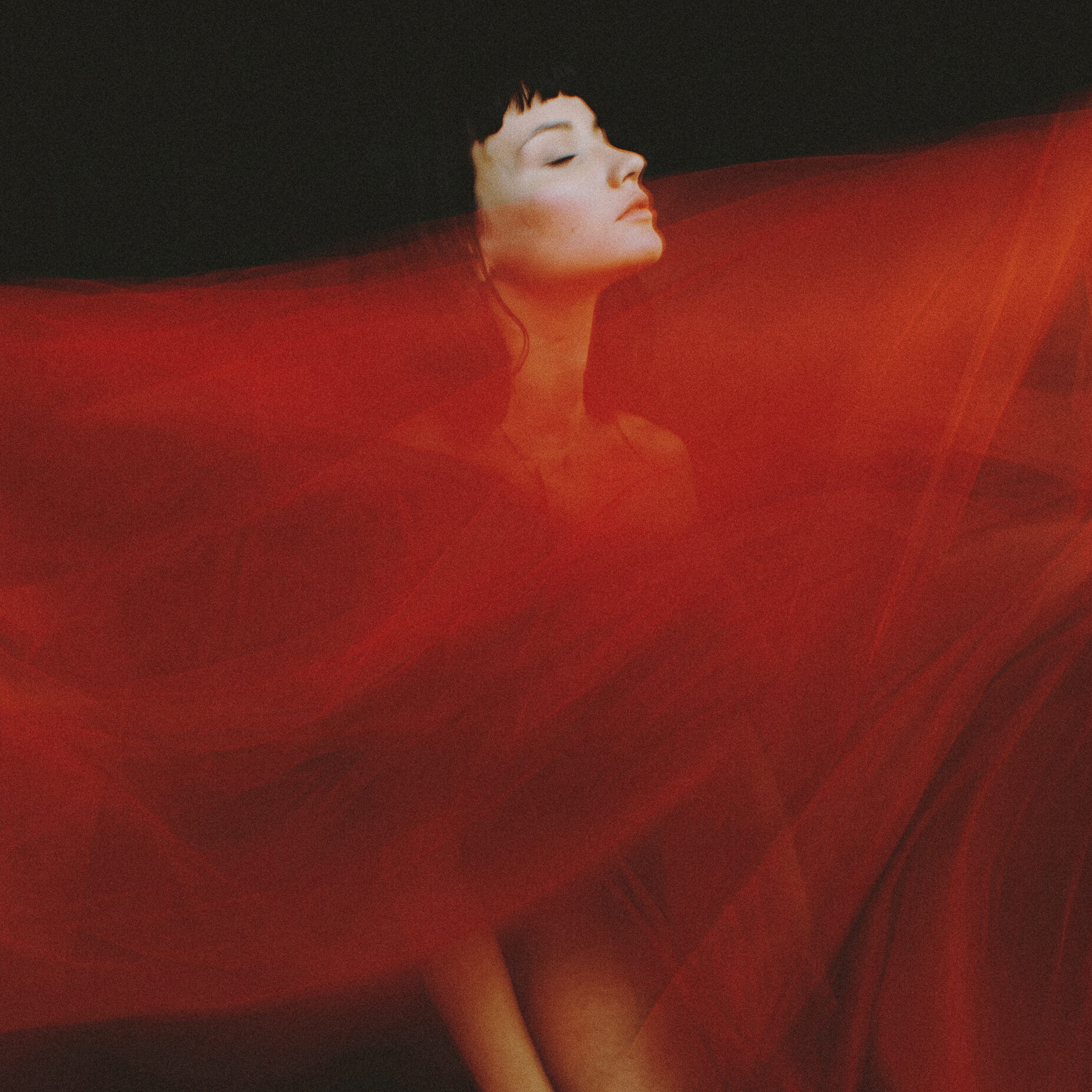
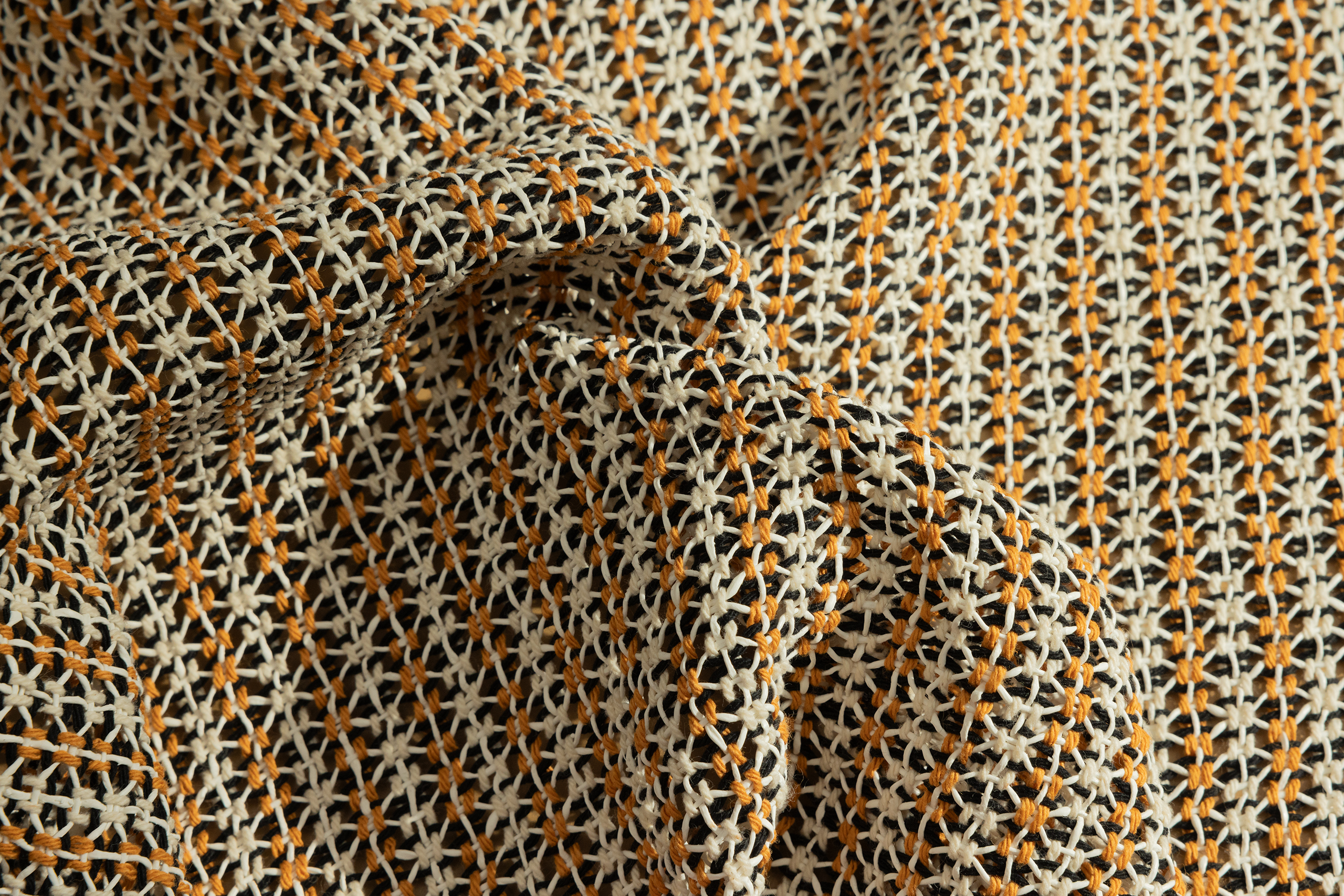
Transparency becomes an integral part of textile construction. Meshes, open weaves and intricate interlacings give rise to surfaces where the interplay between solid and open spaces defines rhythm, depth and structure.
Research focuses on the relationship between yarns, density and geometry, creating fabrics that offer new possibilities for layering and transform the way the material interacts with the body and light.

Some fabrics complement a garment. Others transform the way it is perceived. A structured surface can give shape and definition to volume. Transparency changes the relationship between layers. The contrast between matte and sheen introduces a new sense of depth to the silhouette. Ricciarini 74 explores this expressive potential. Fabric does more than influence the garment’s final appearance: it becomes part of its identity, introduces new proportions and expands the creative vocabulary of the collection.
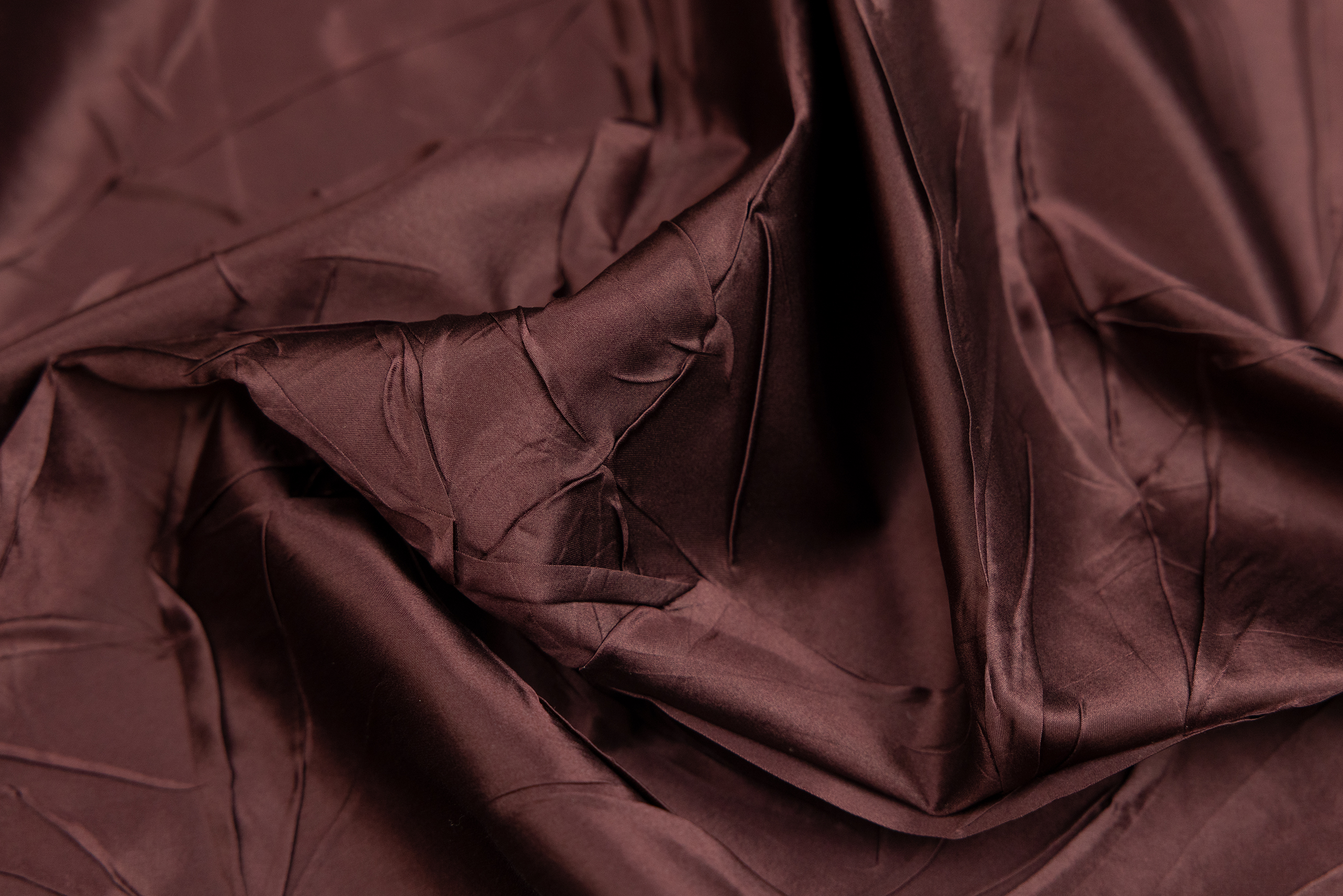
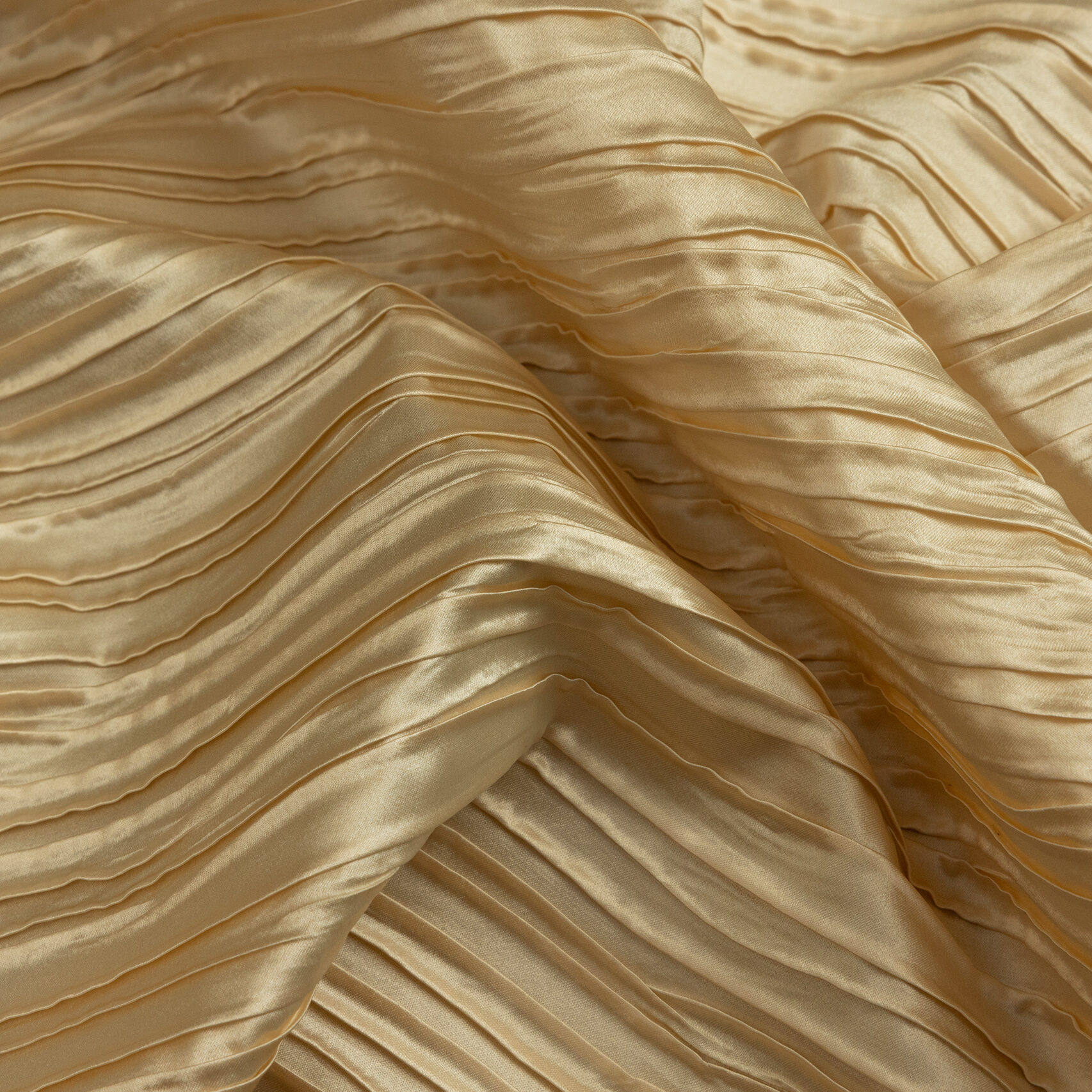
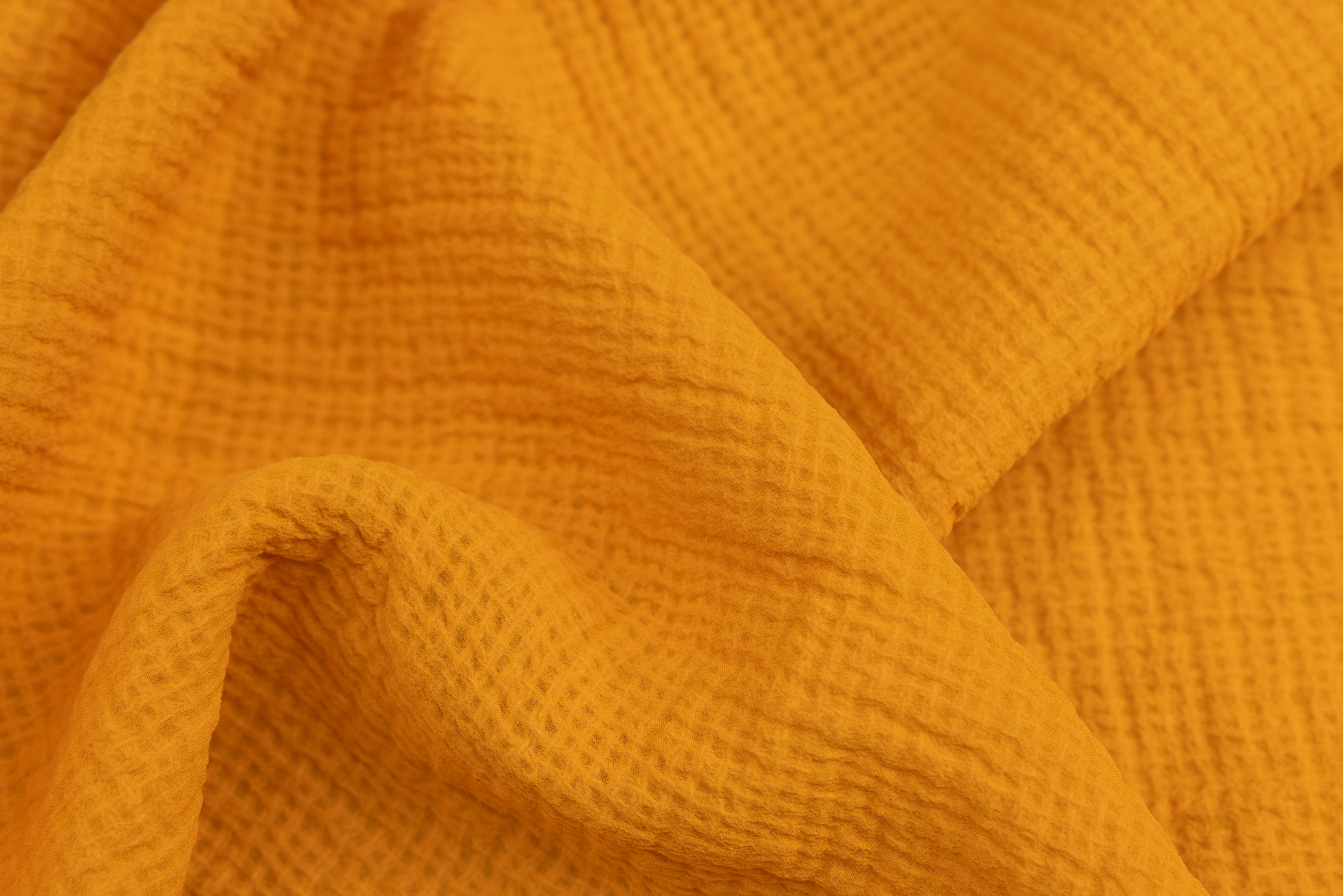
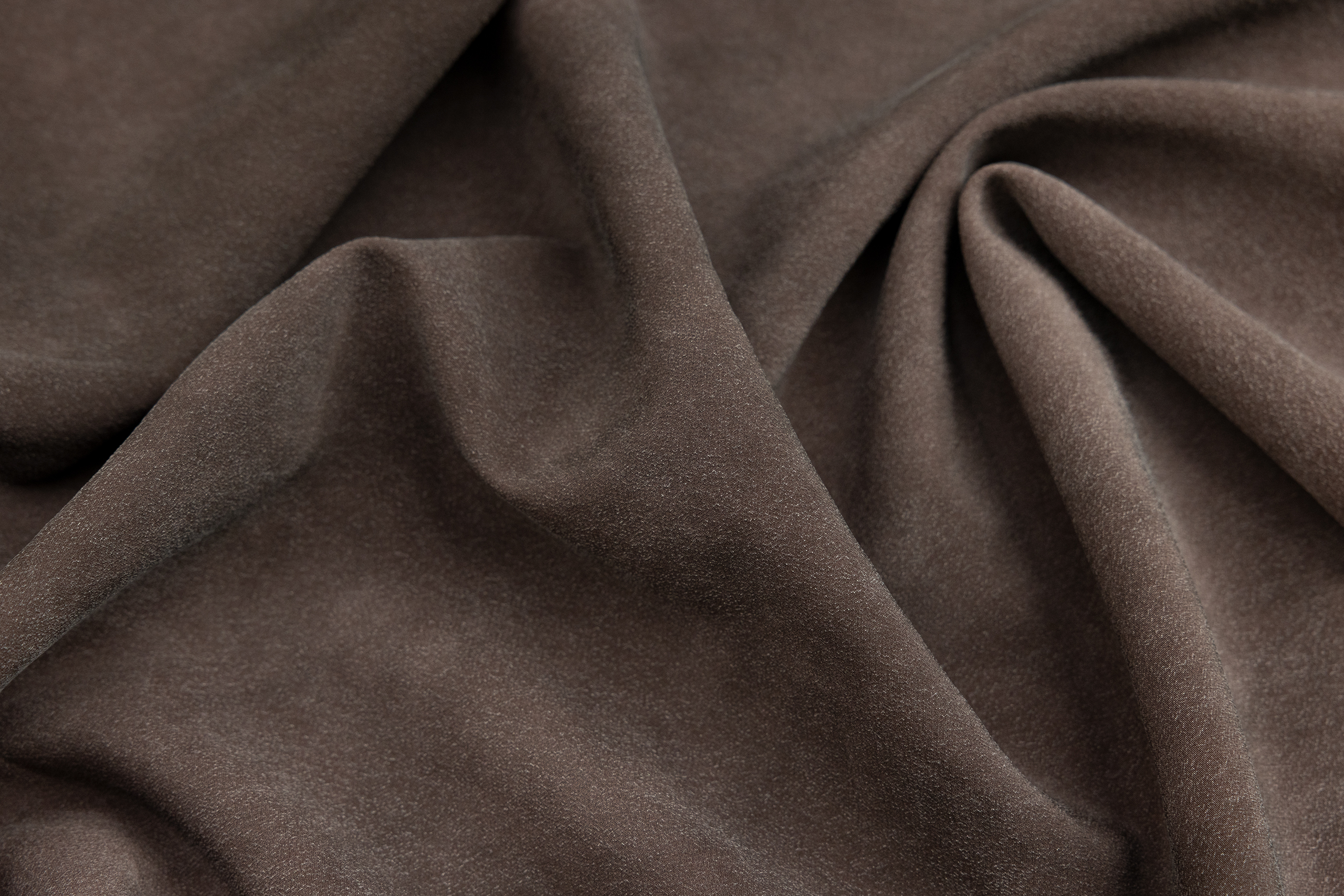
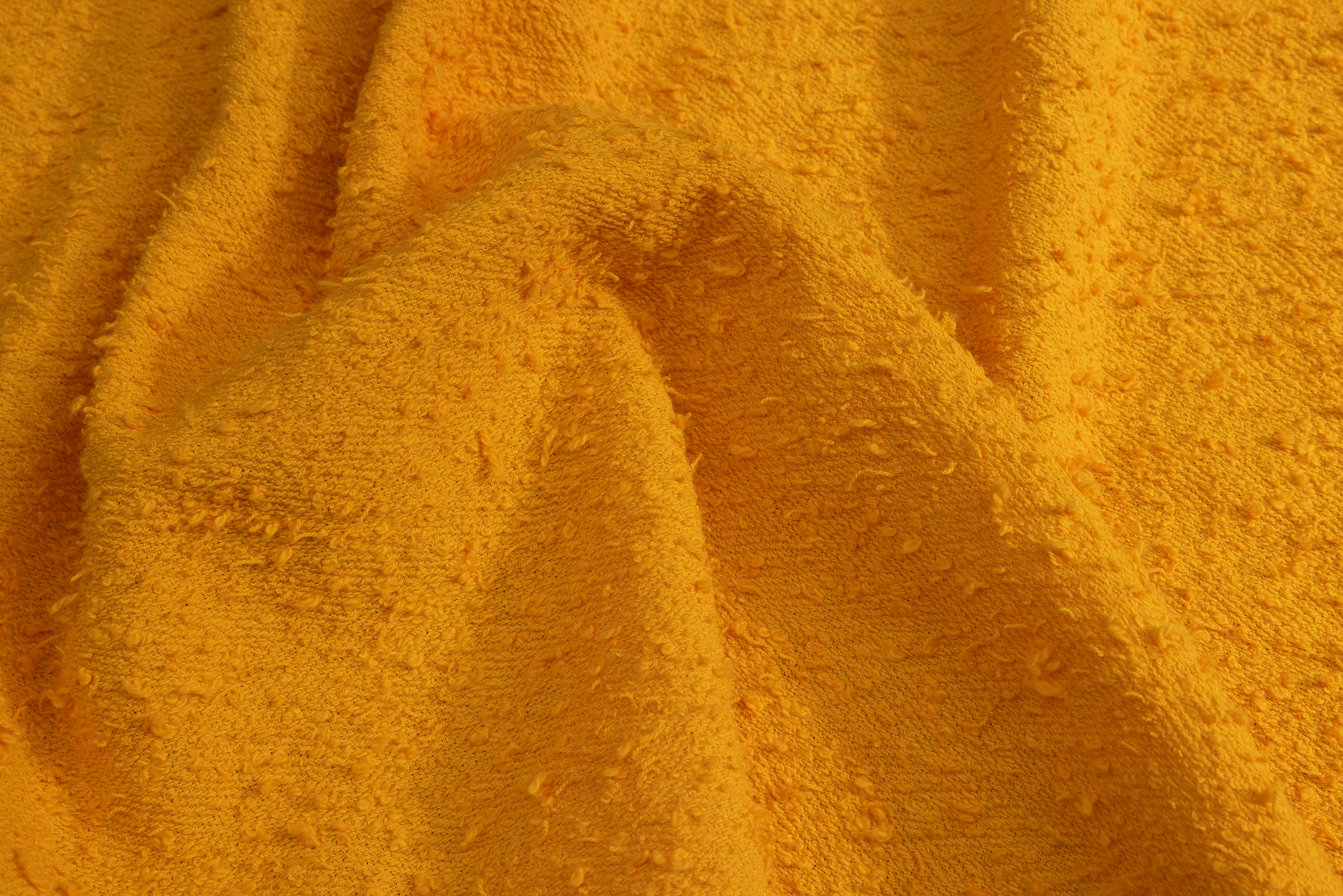
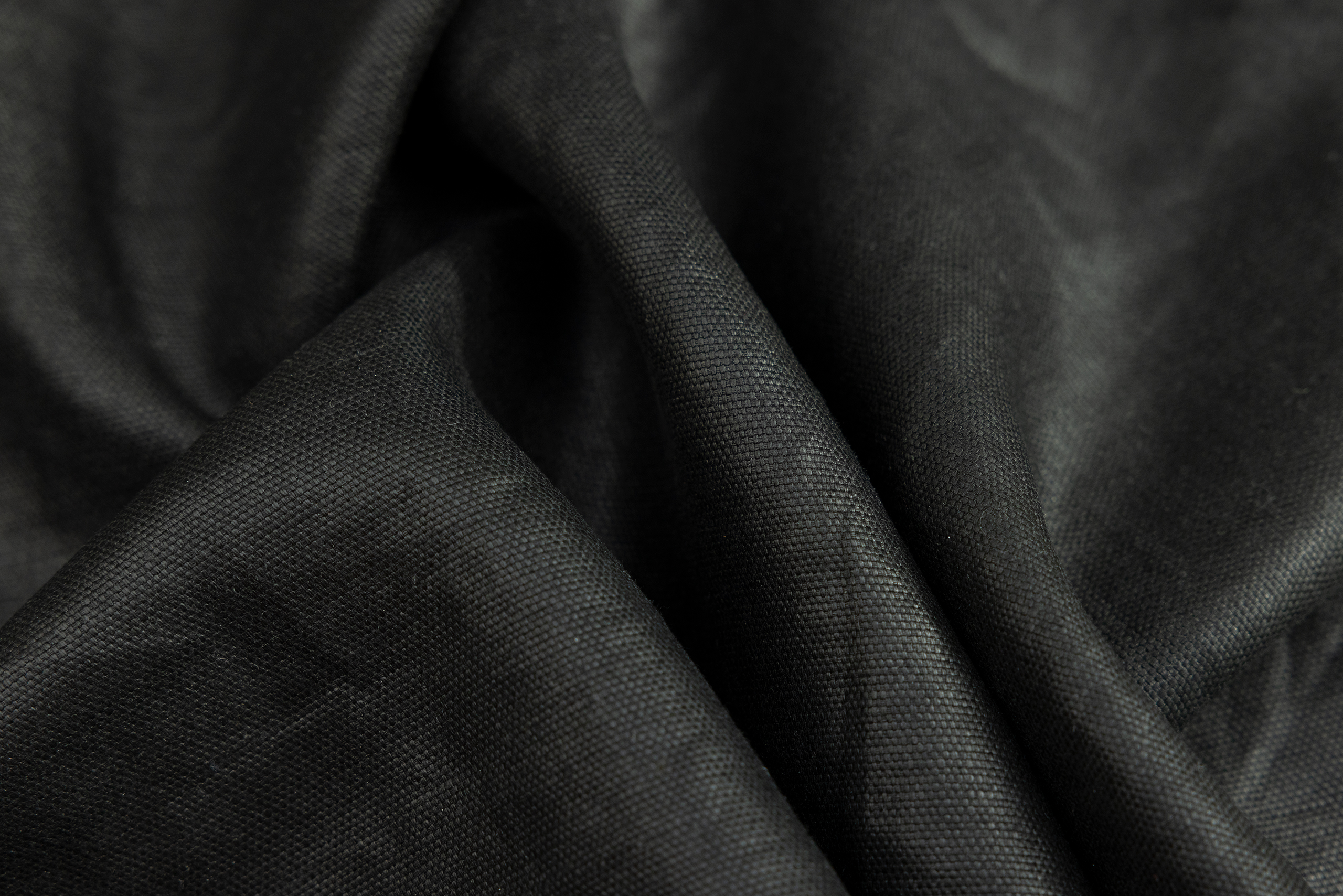
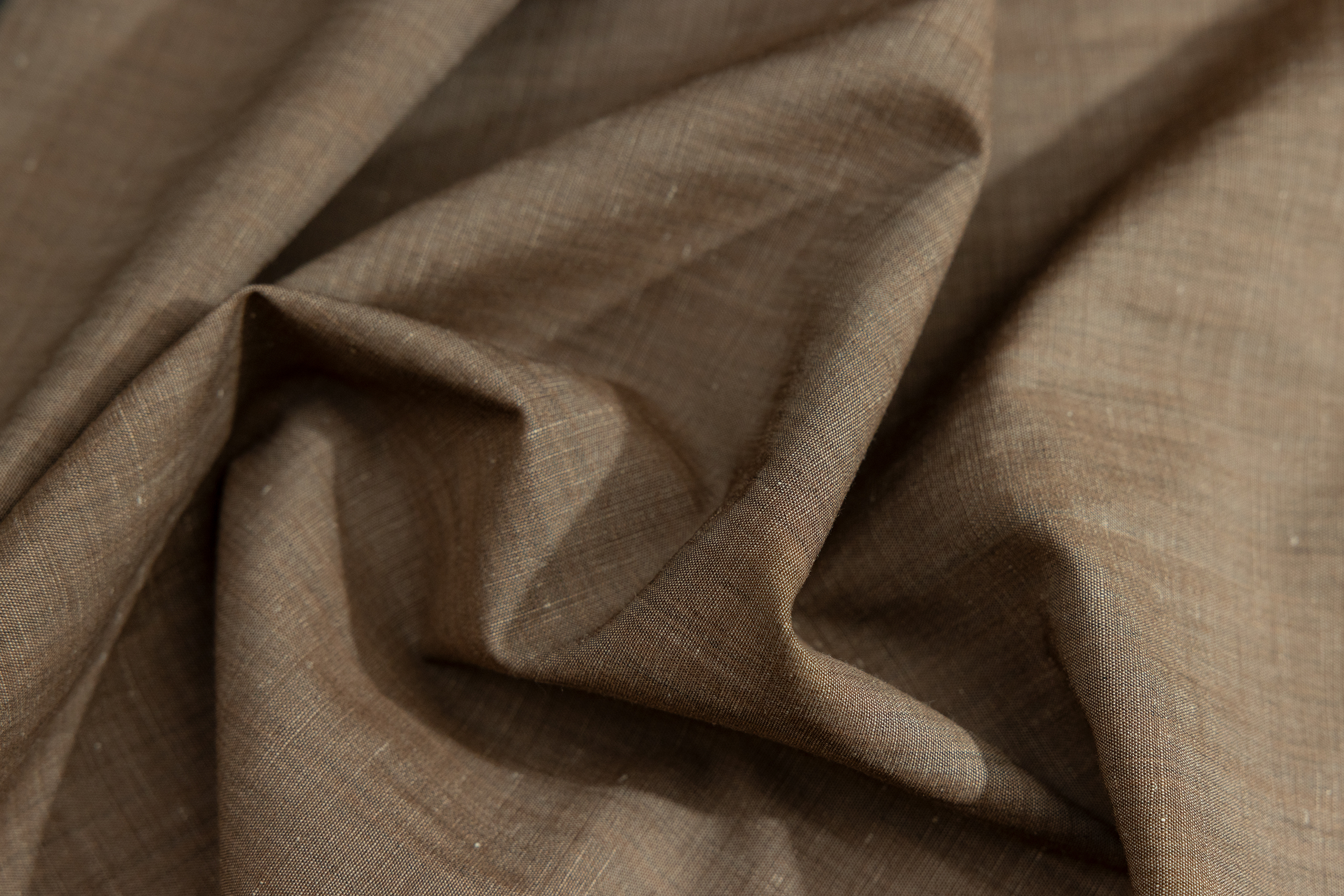
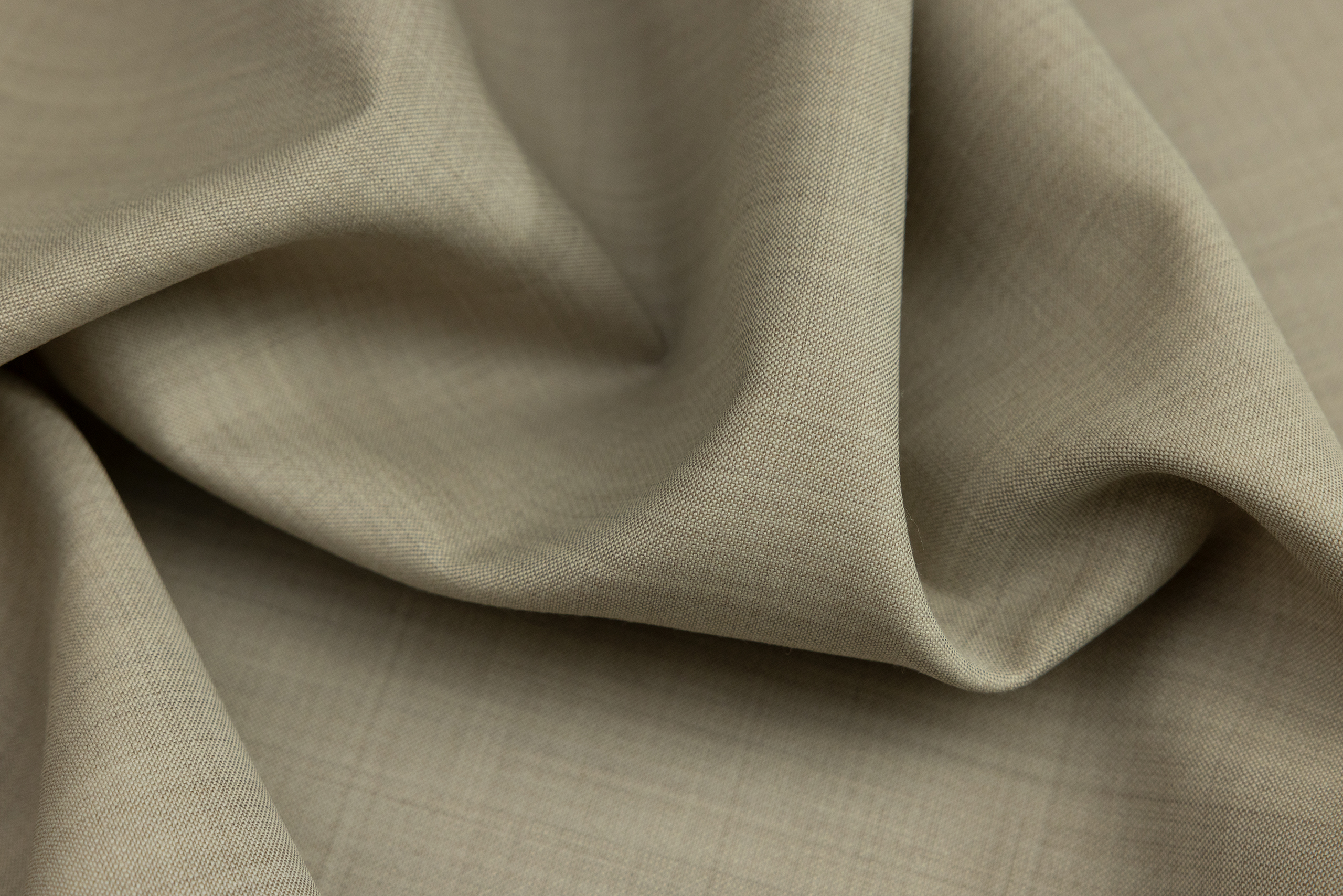
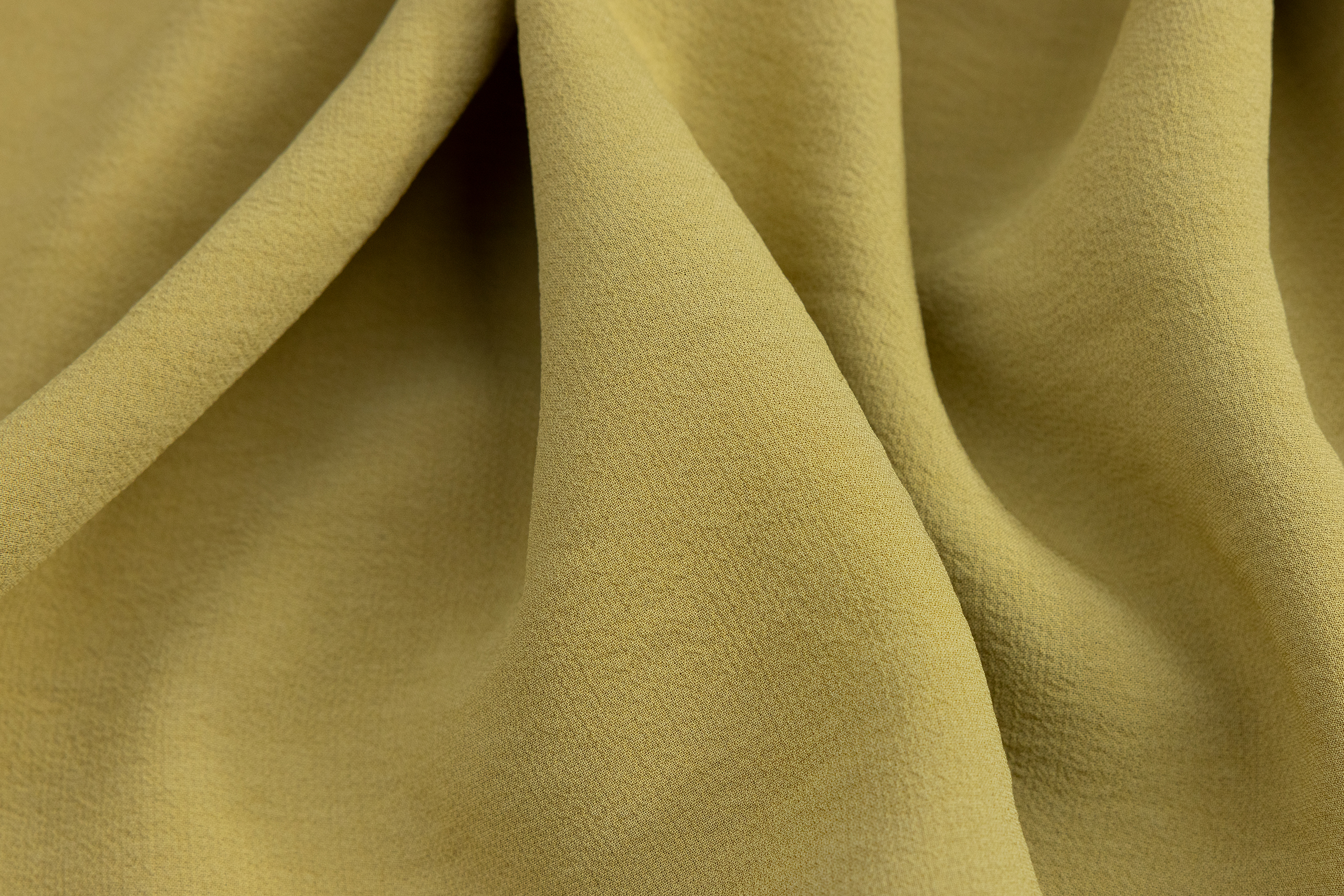
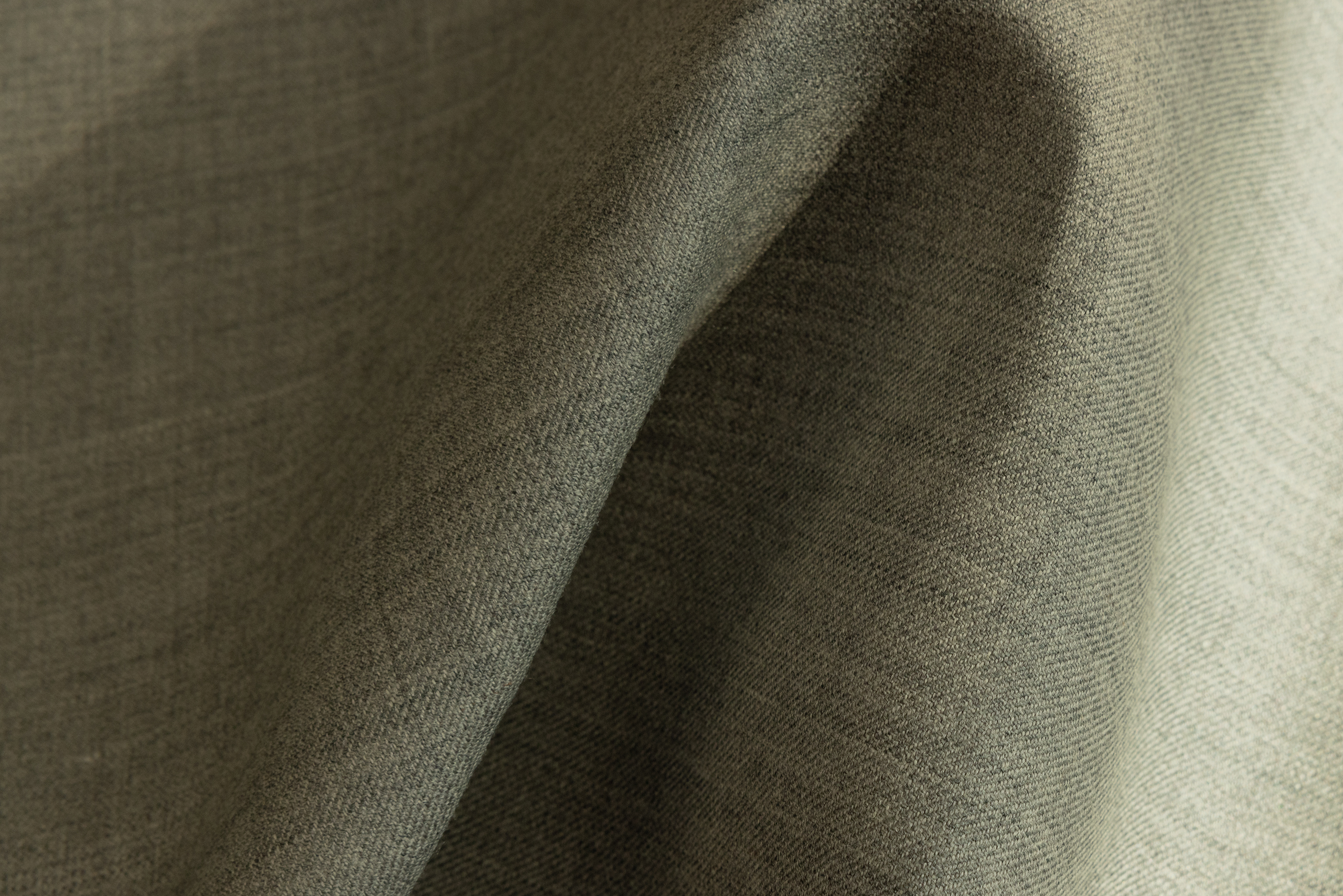
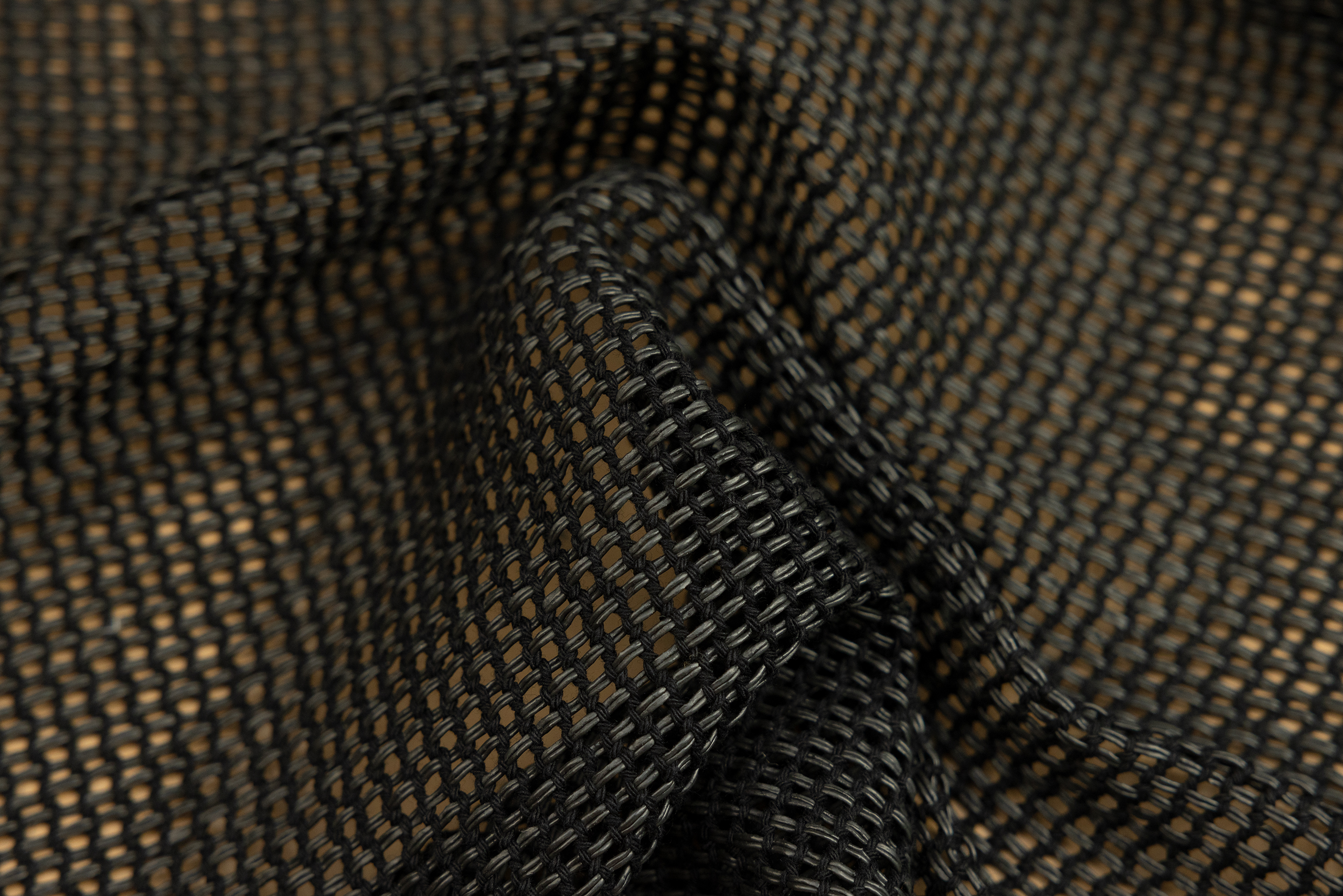
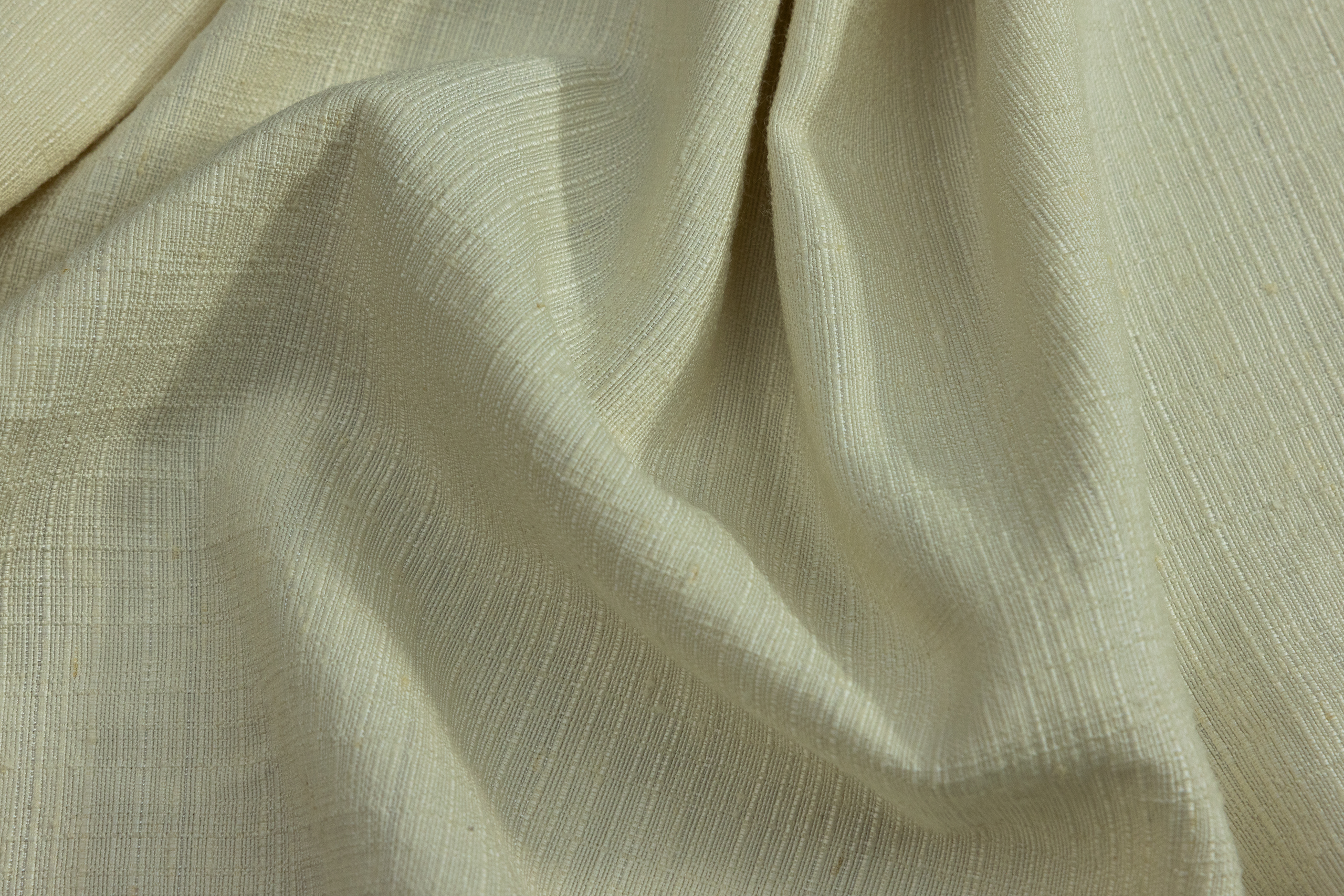
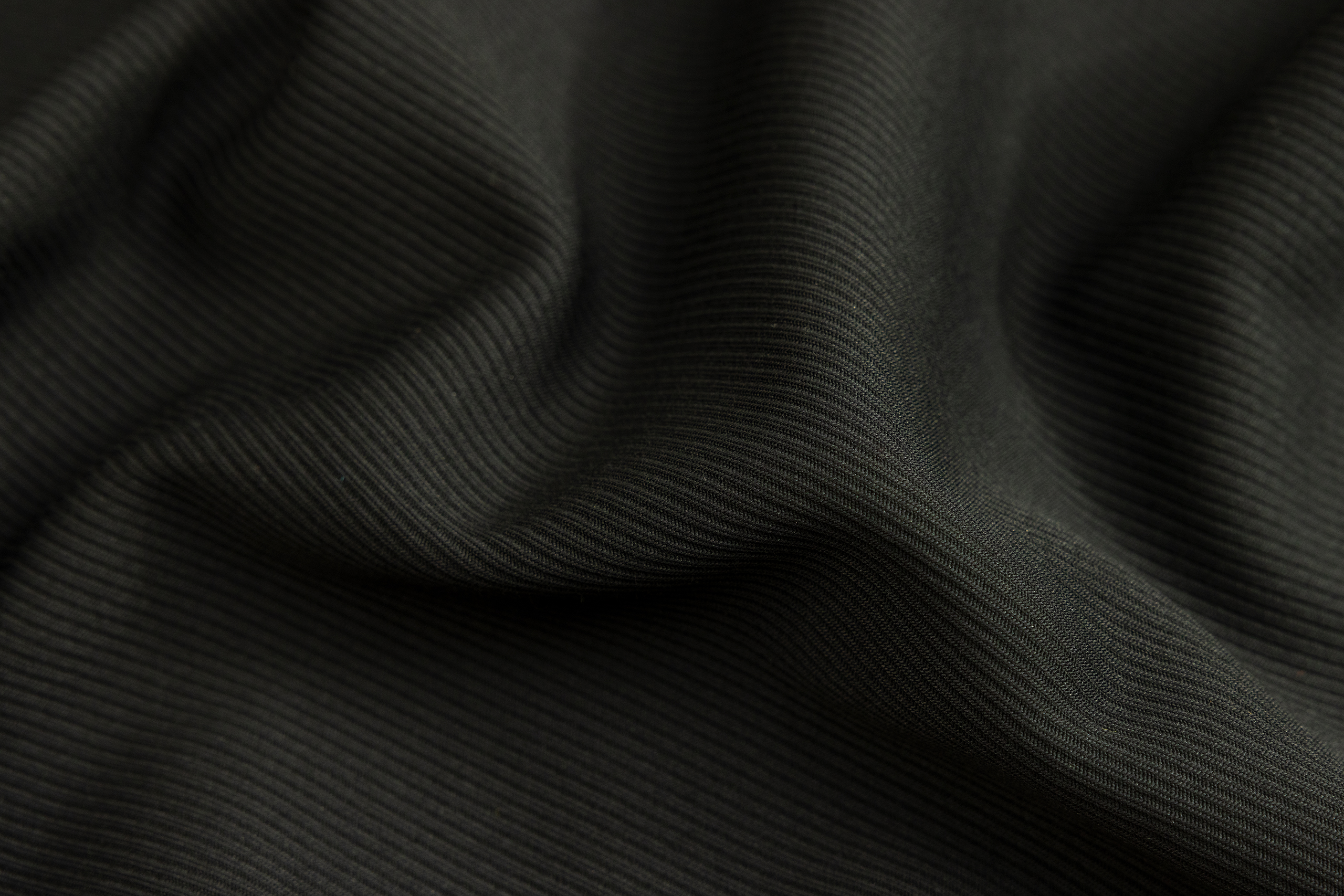
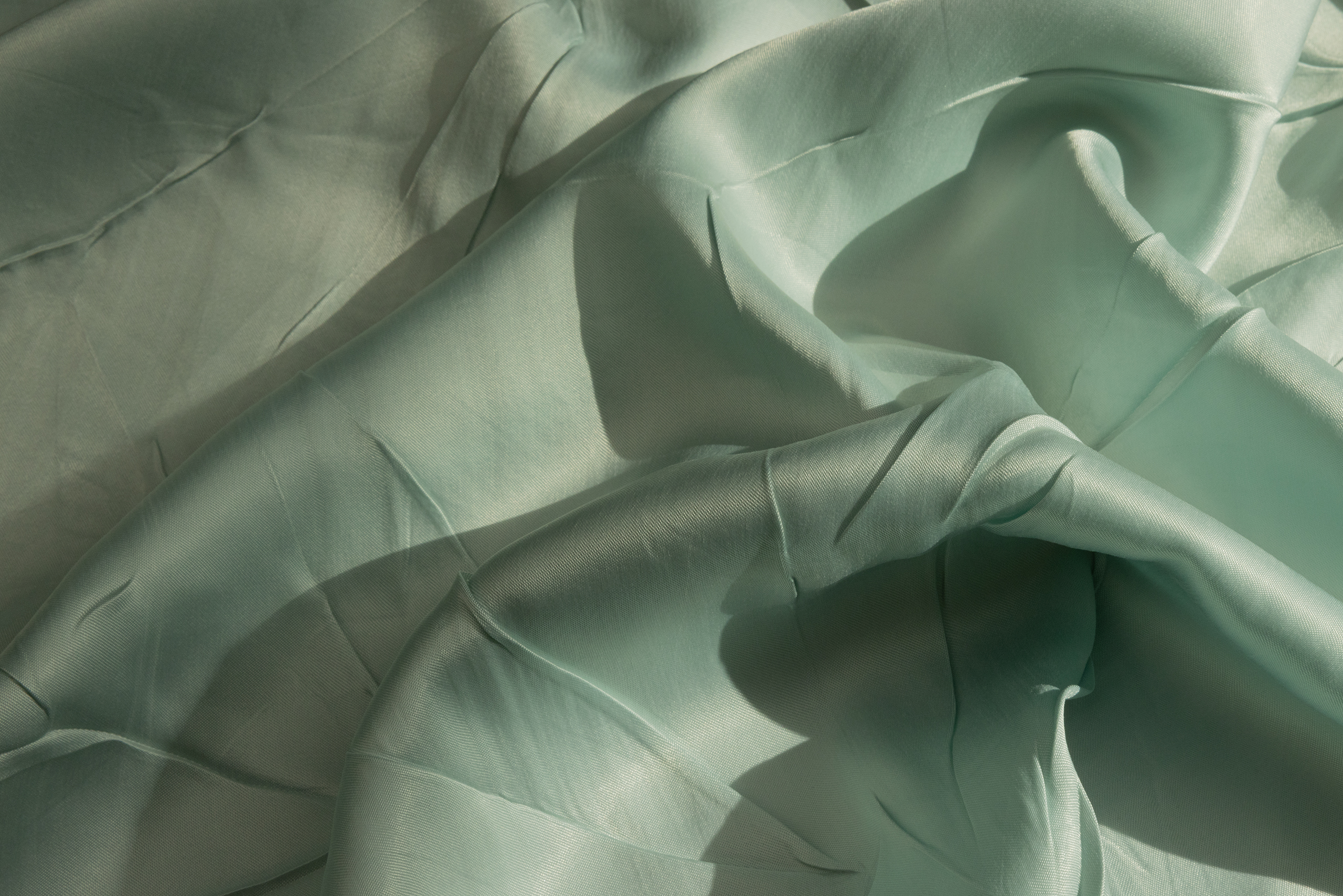


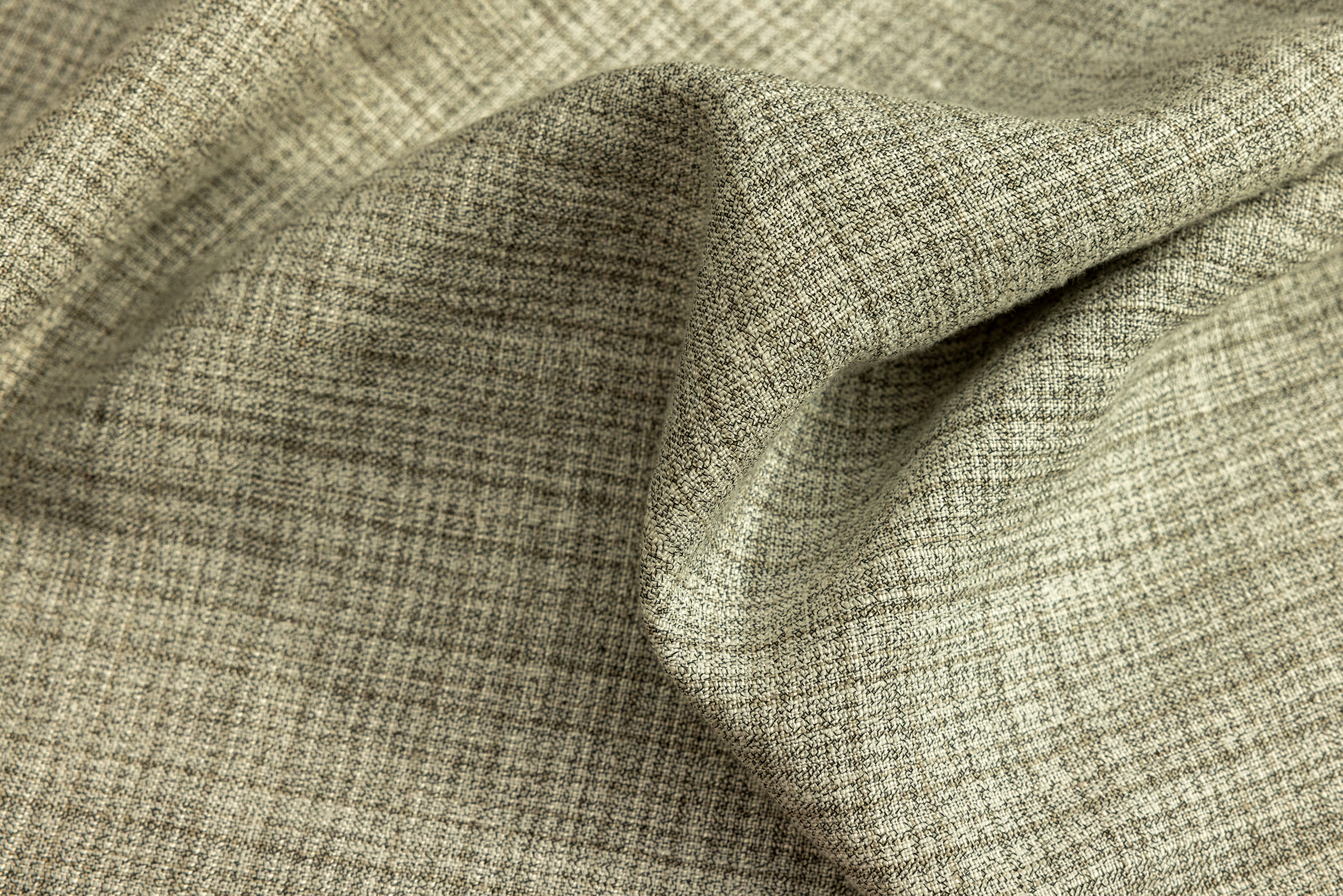

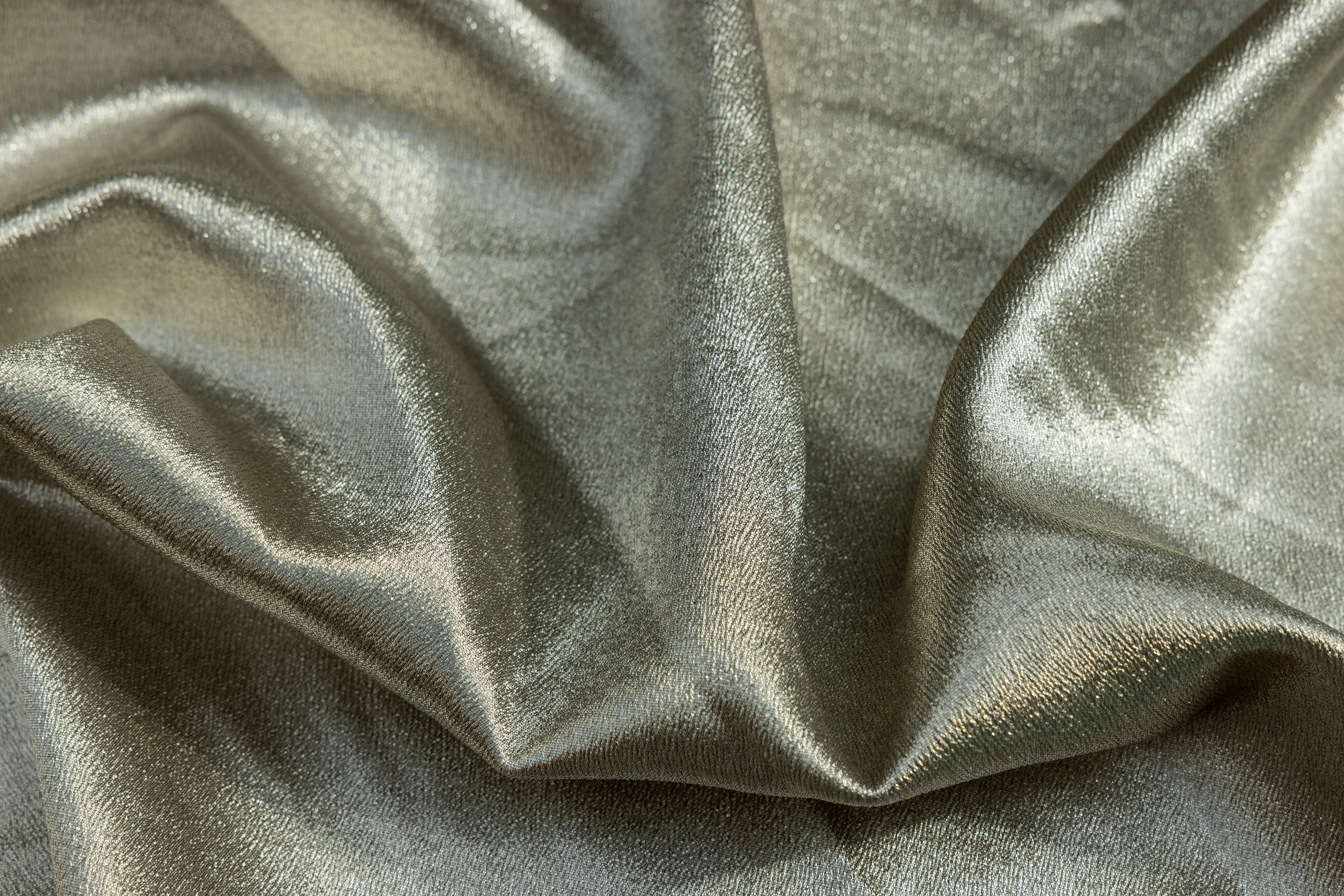
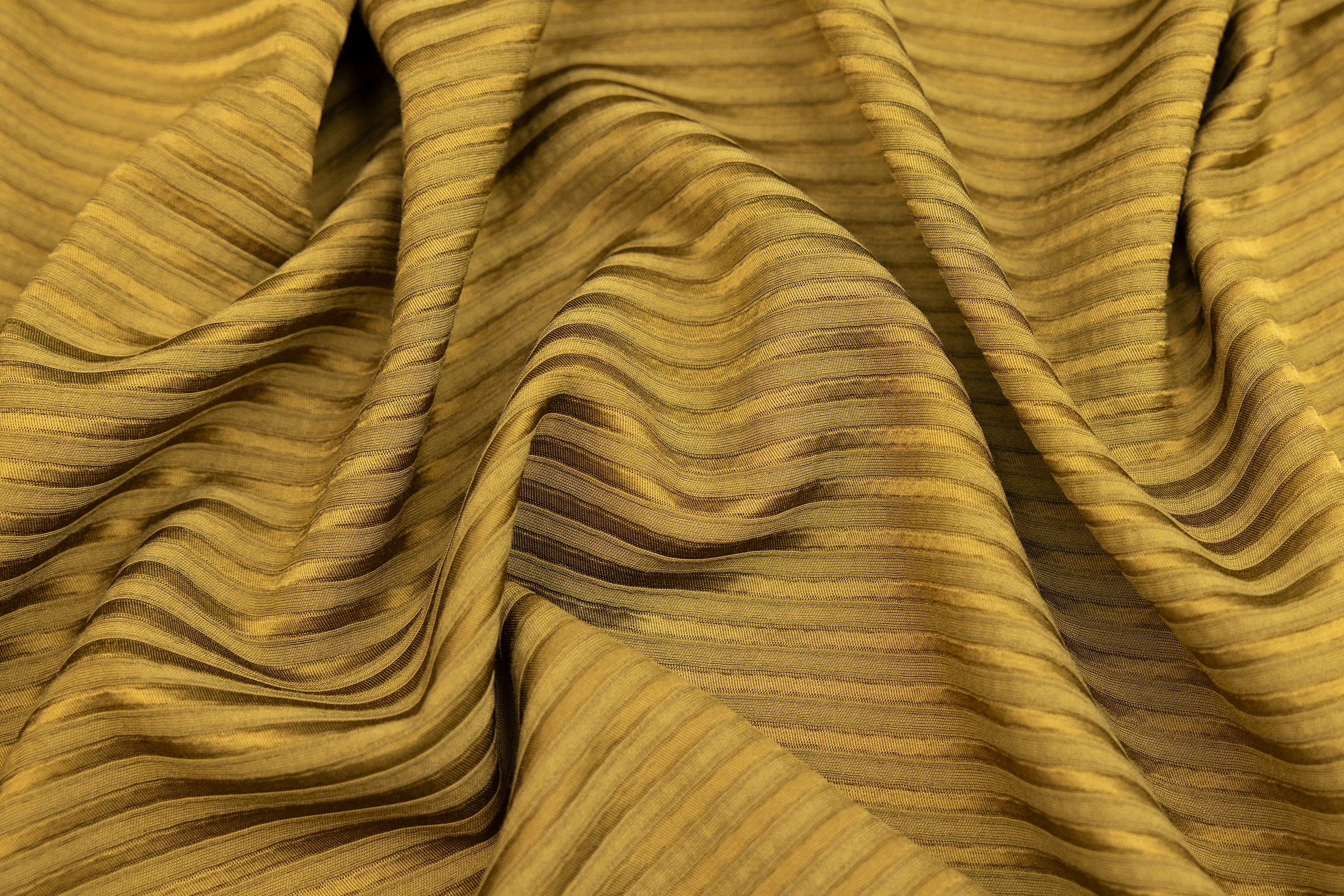
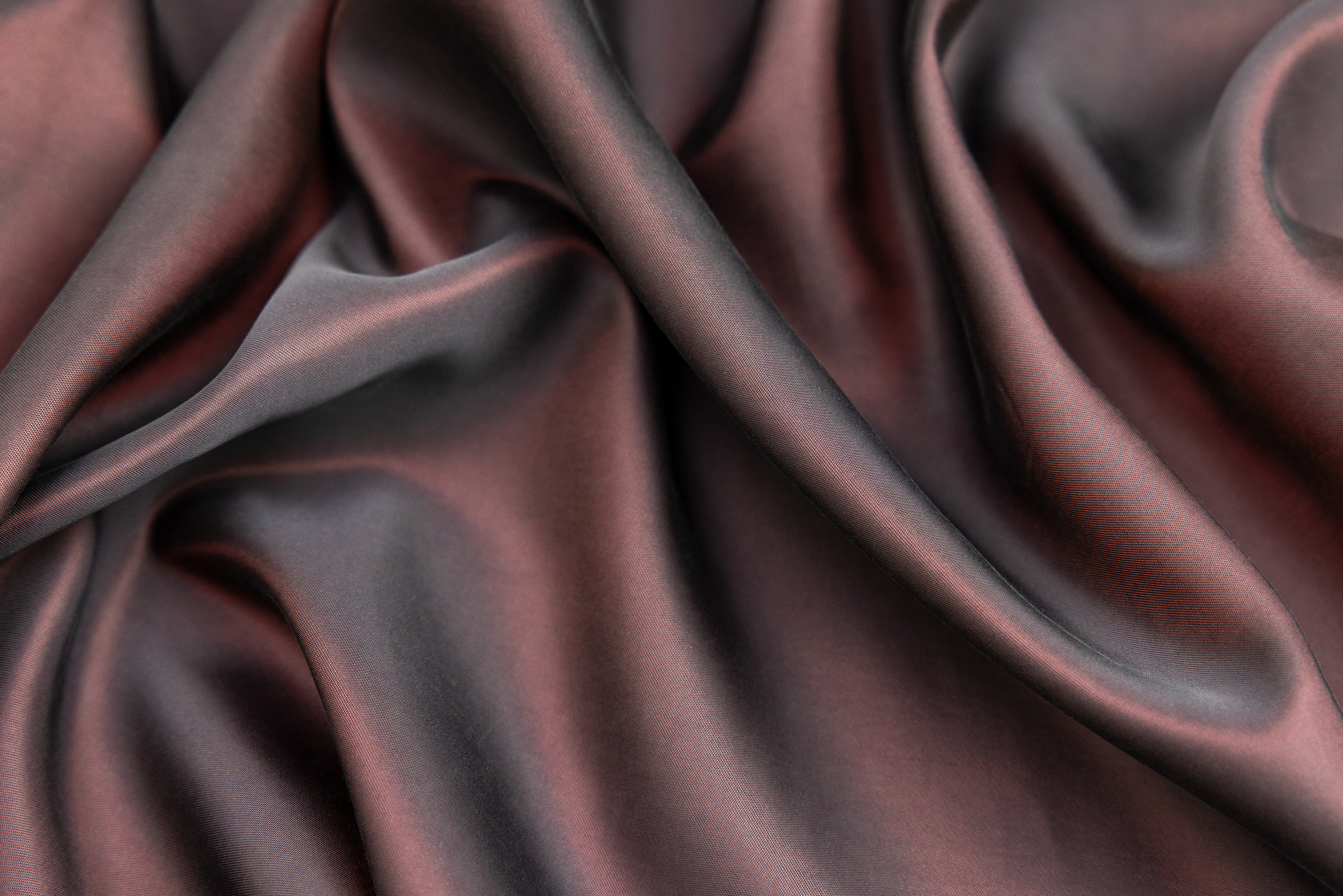
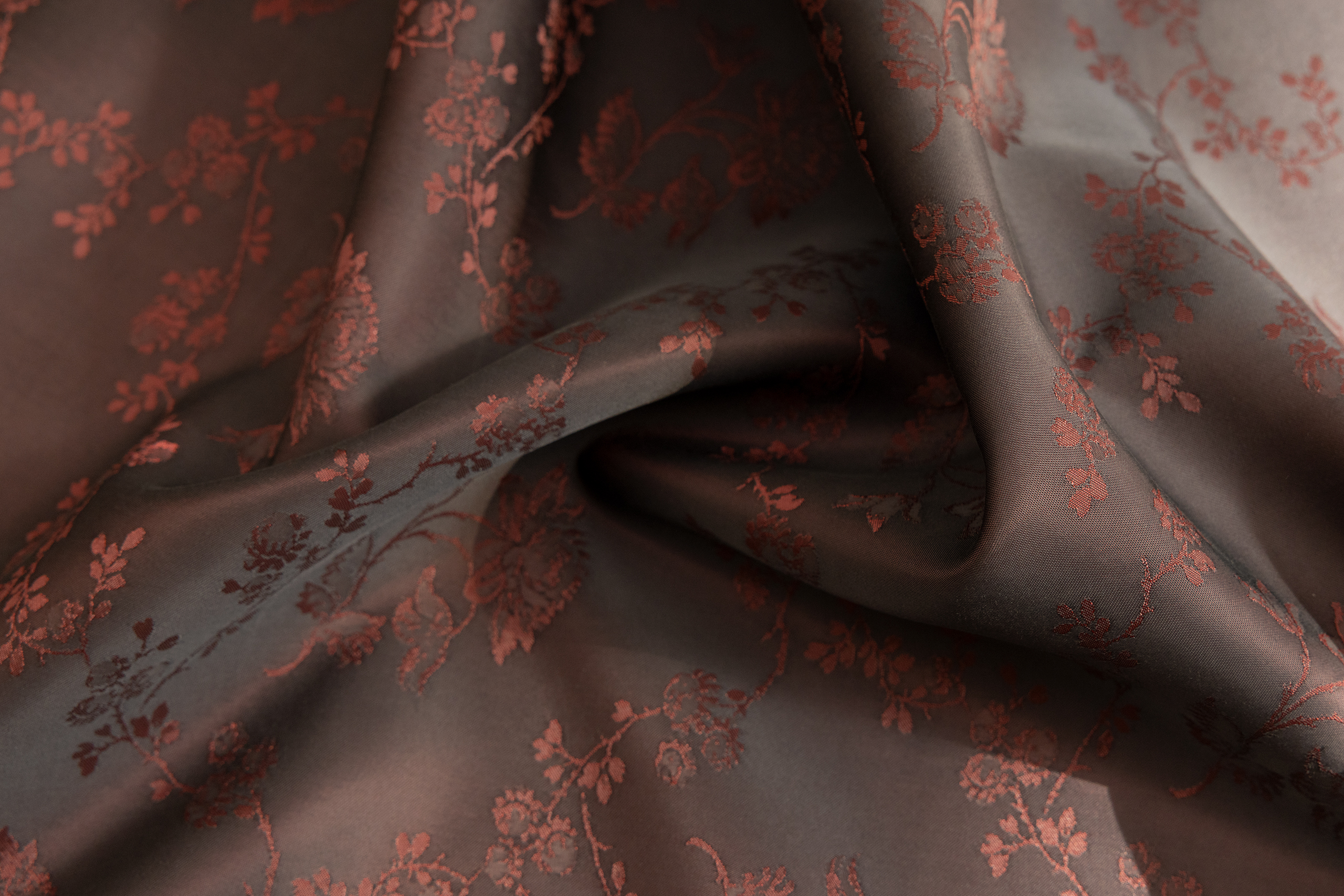

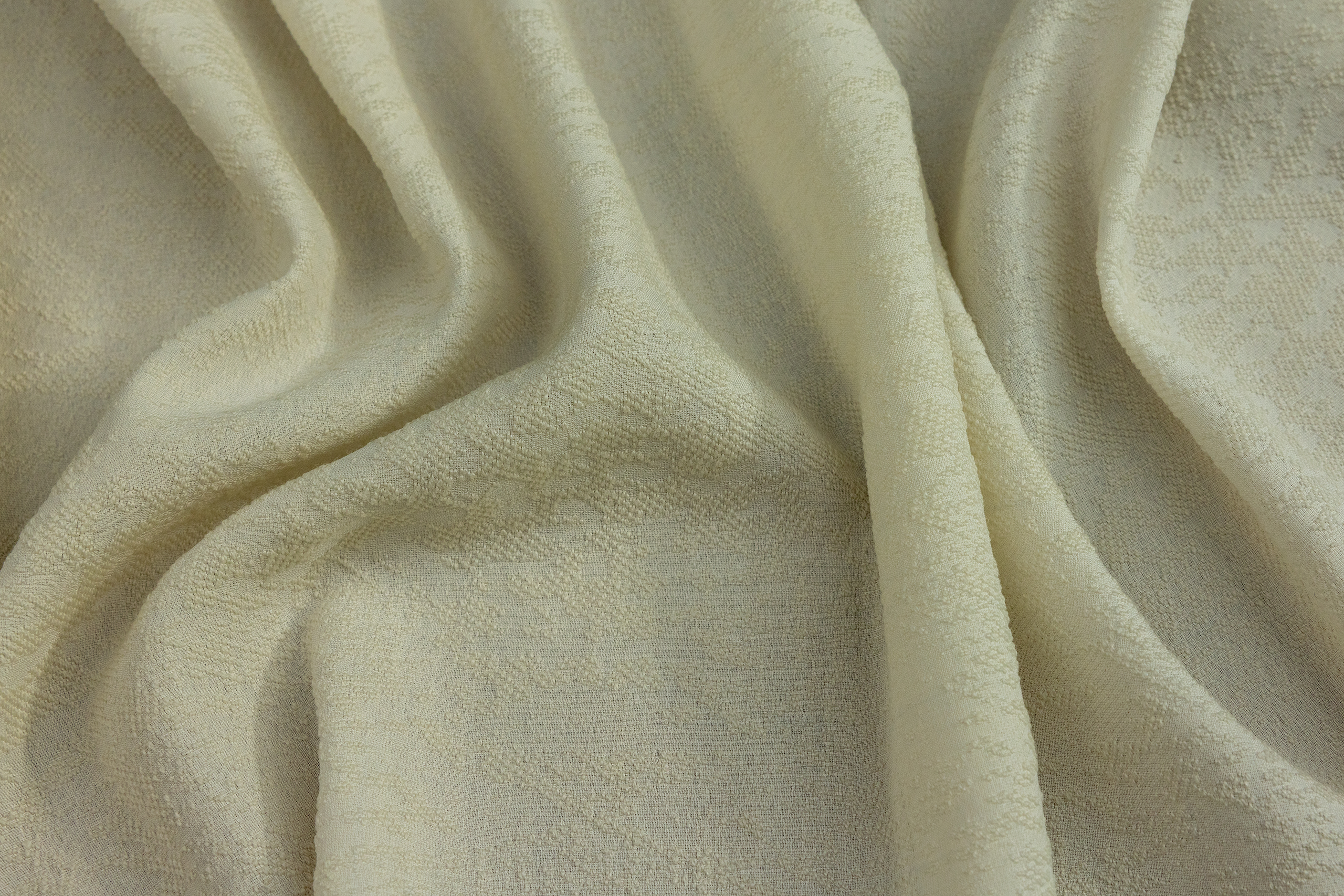
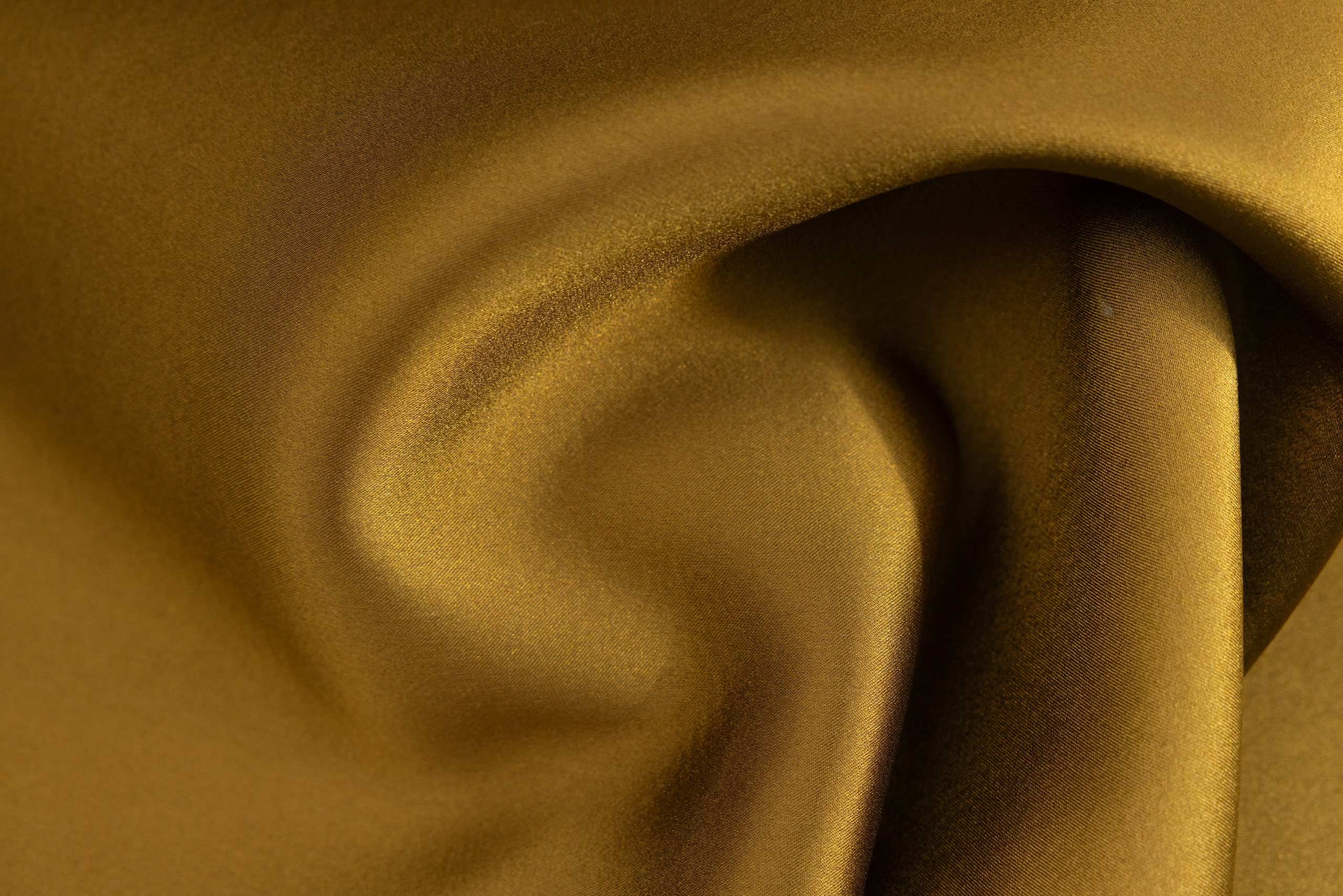

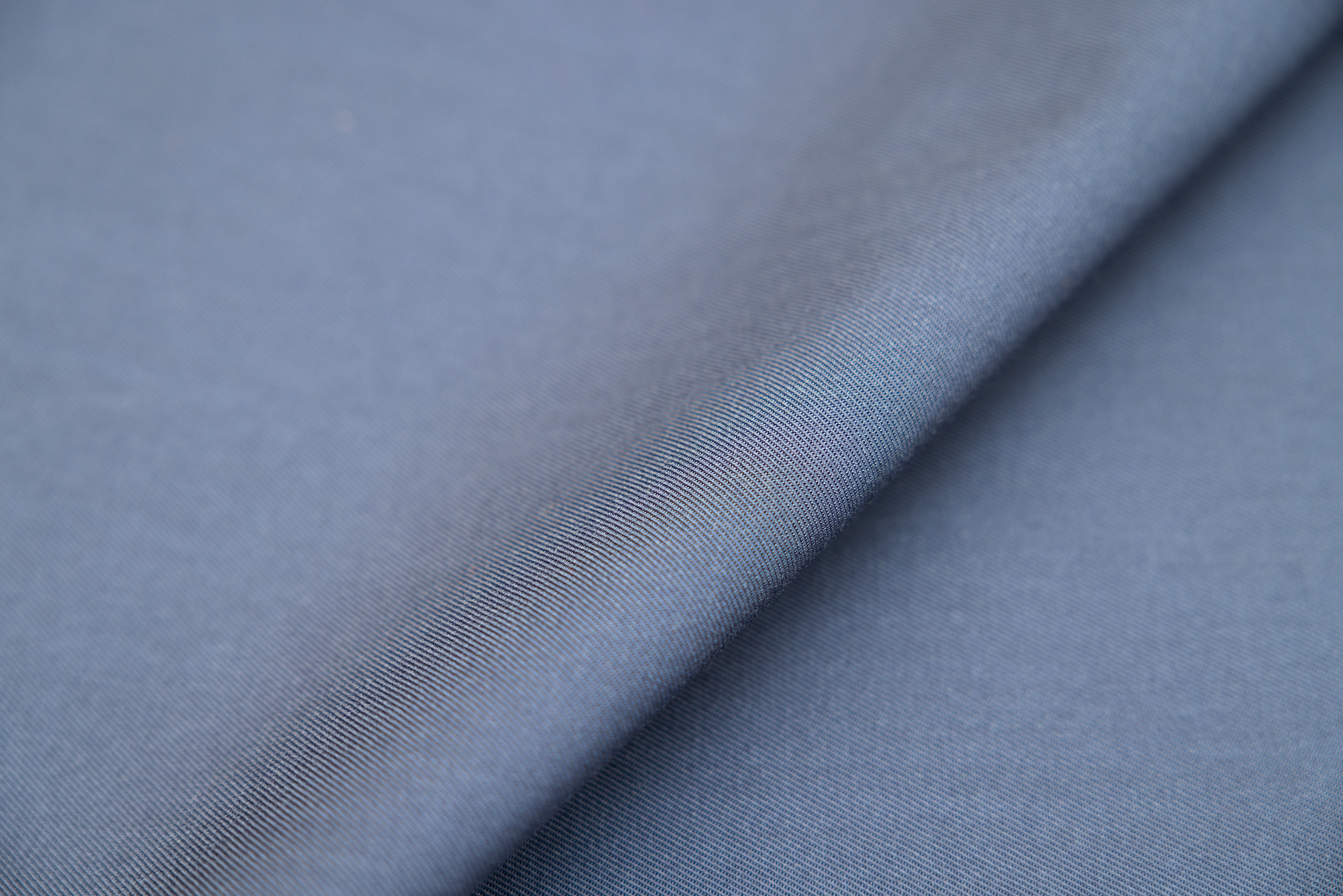
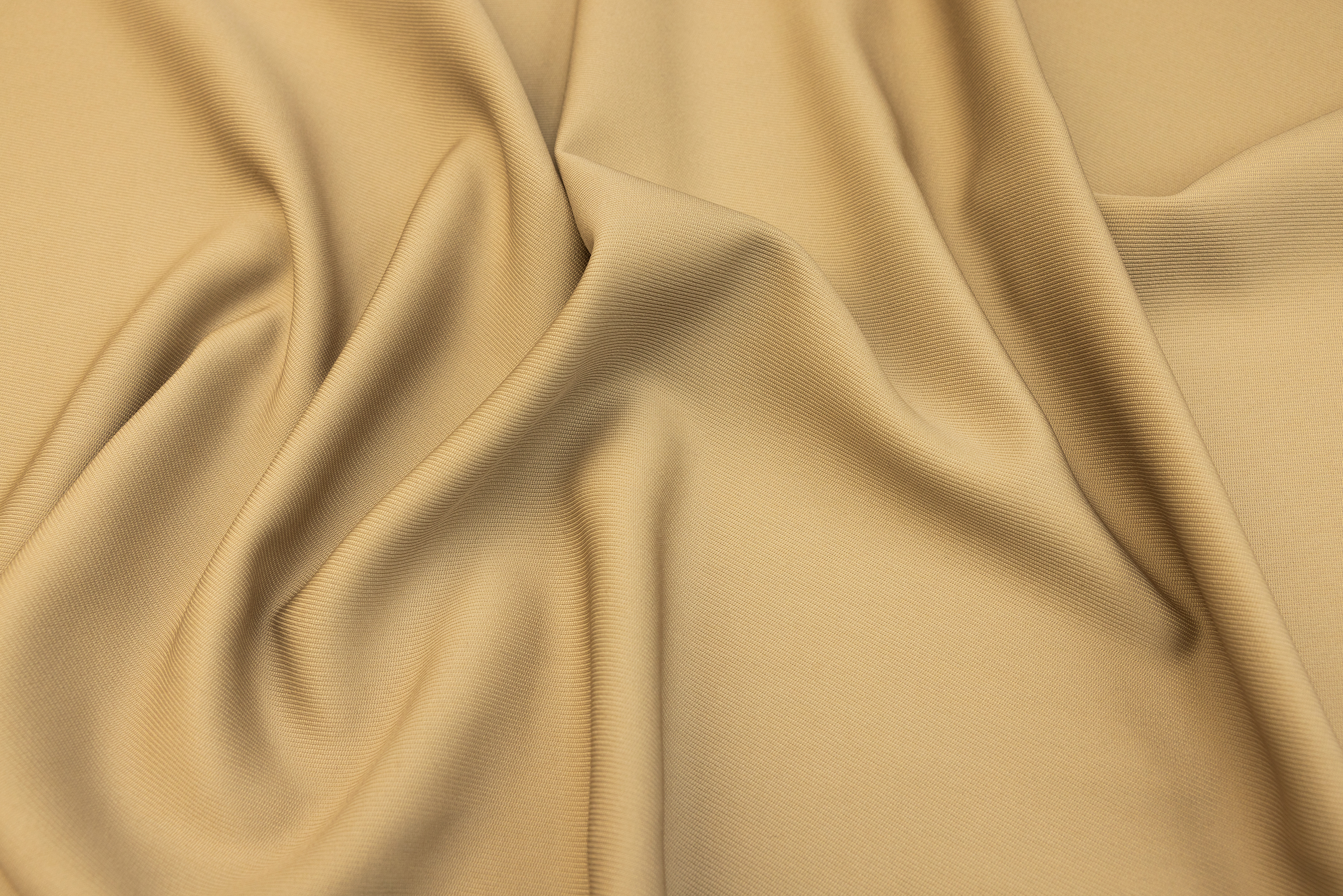
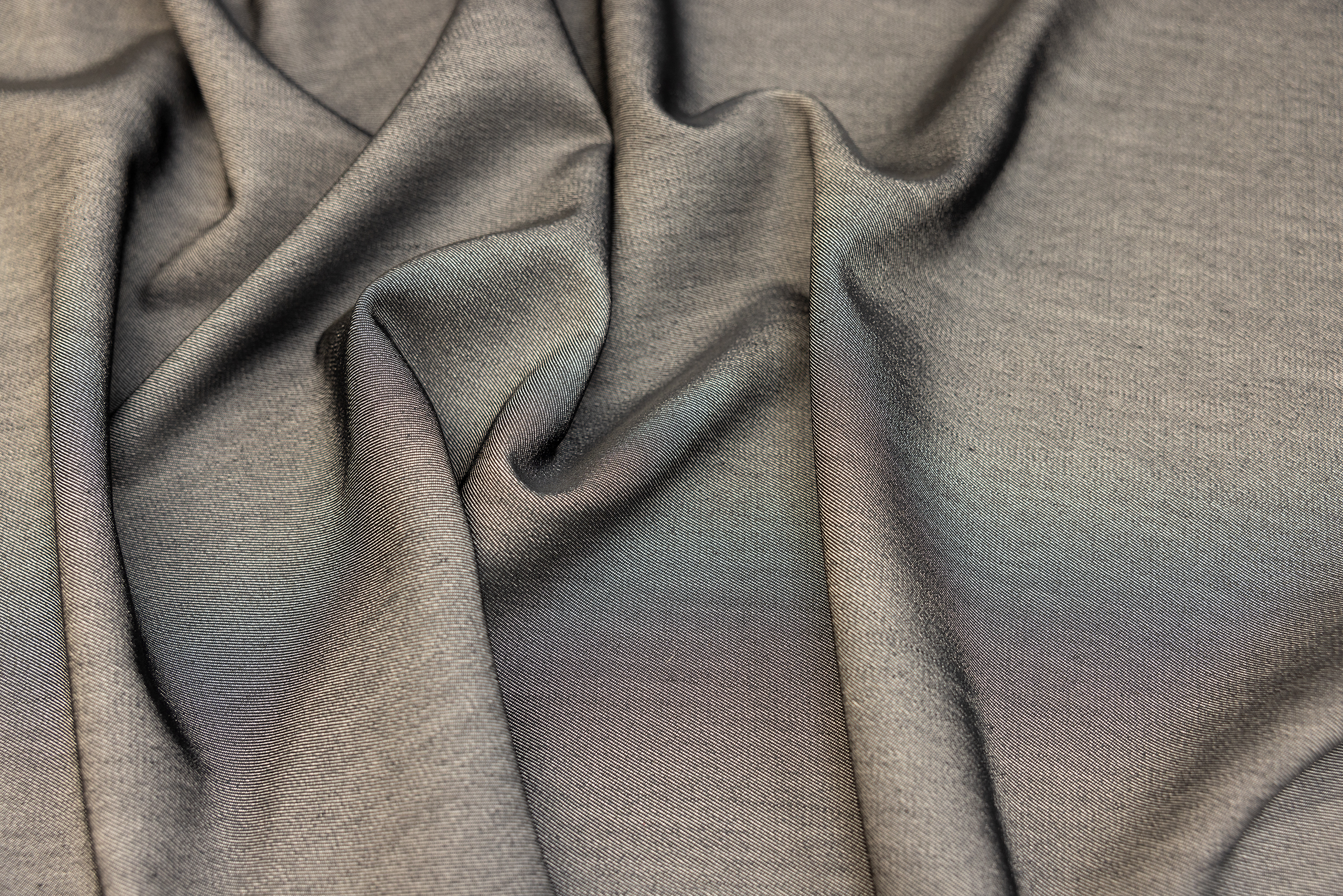
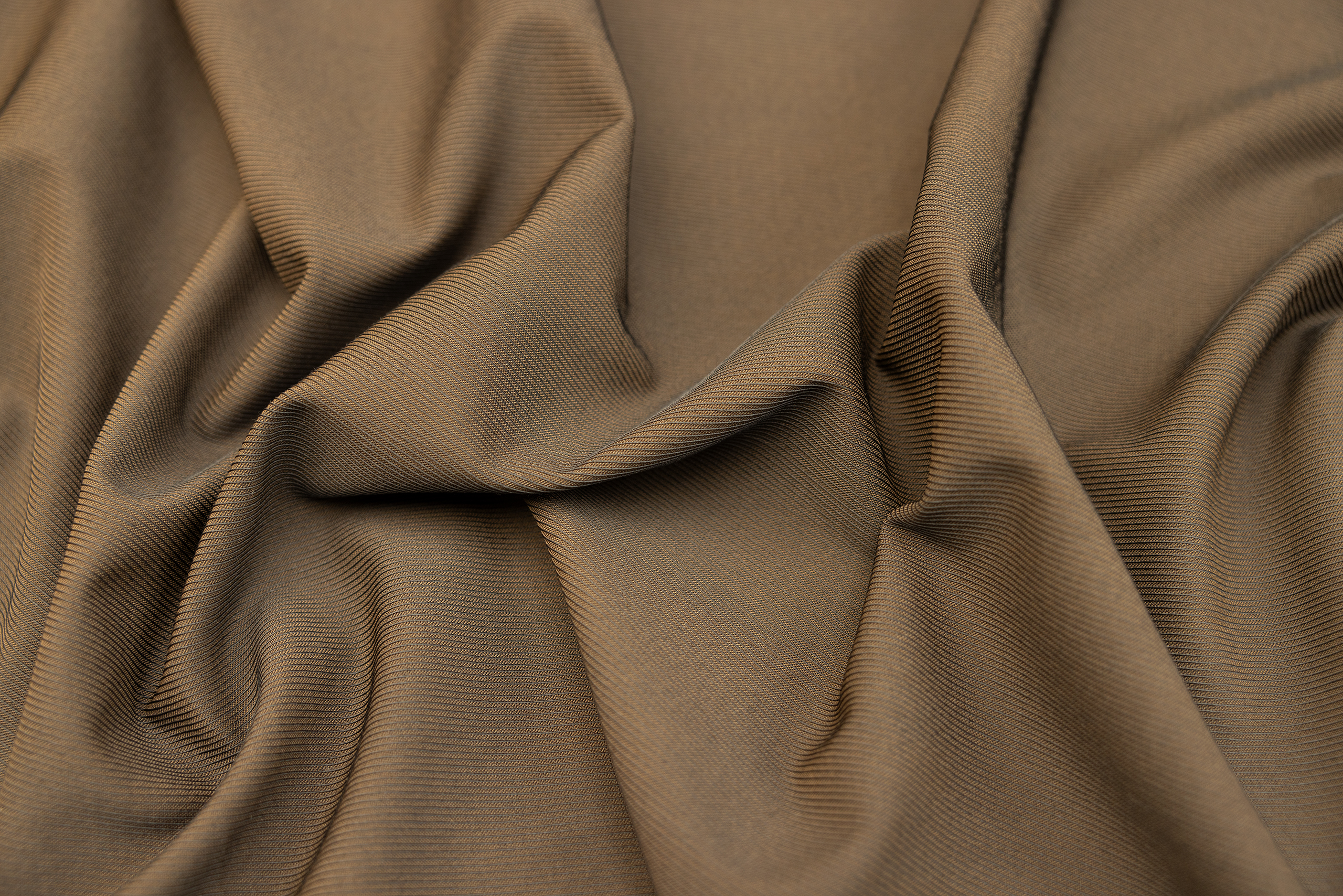
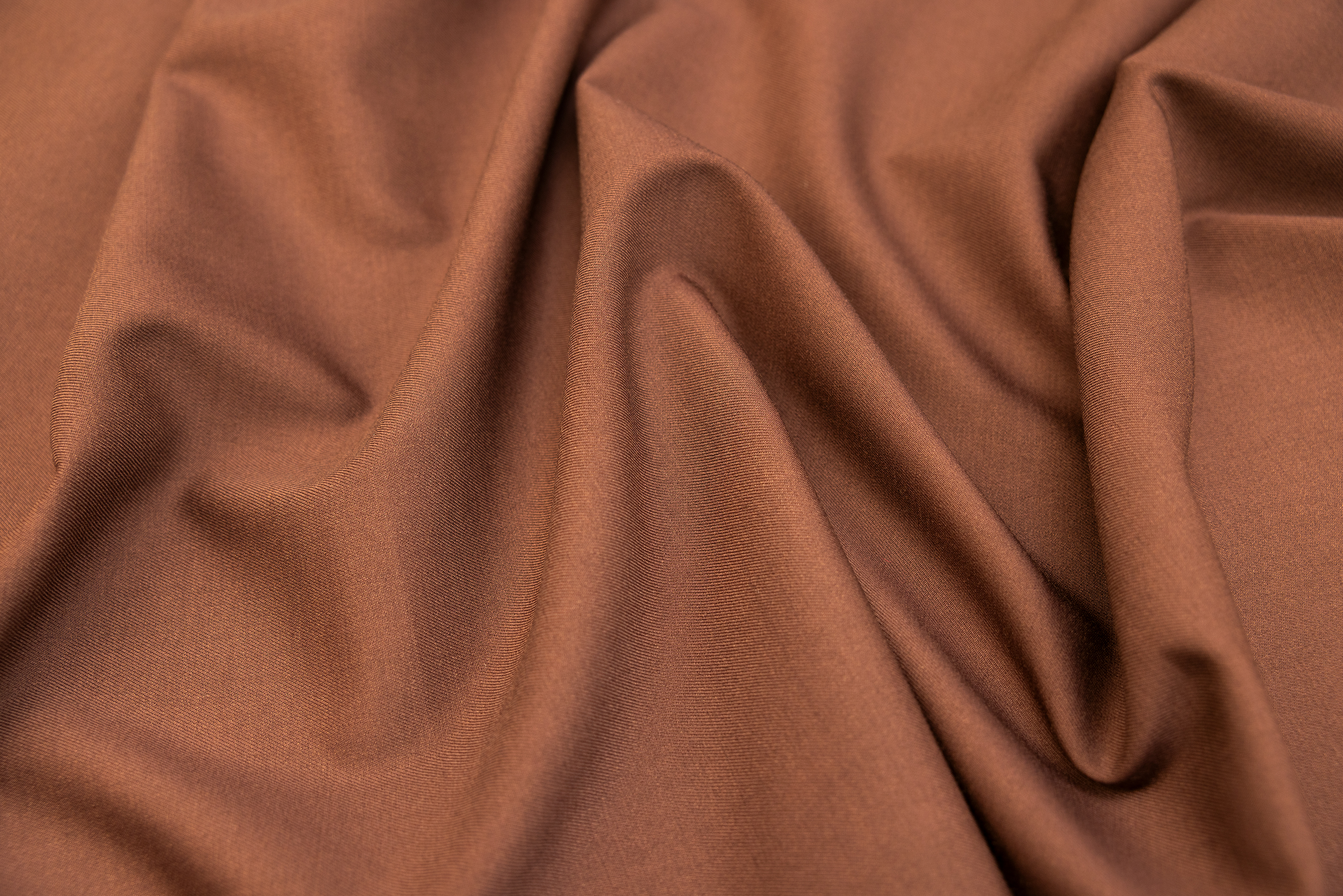
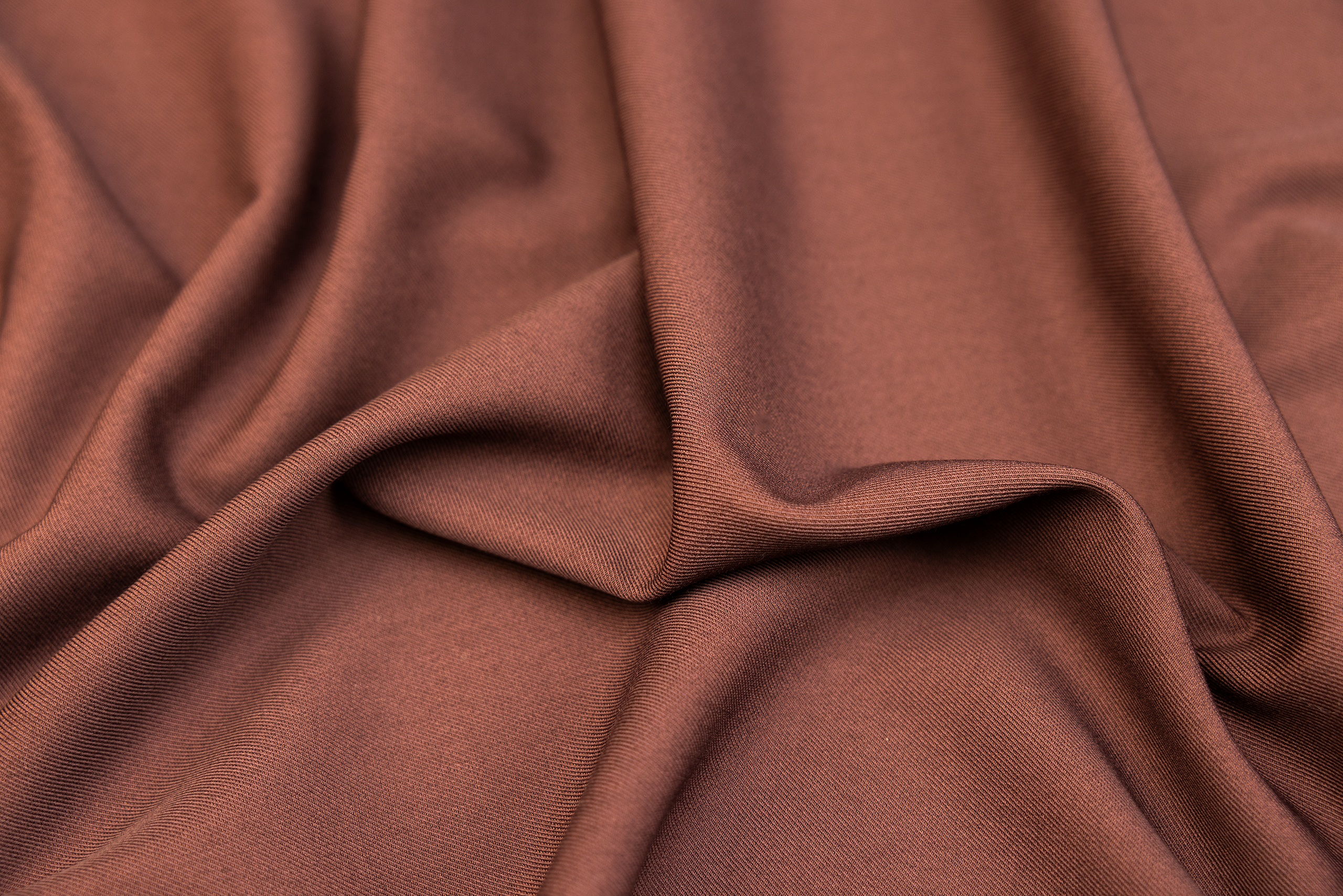

Some fabrics complement a garment. Others transform the way it is perceived. A structured surface can give shape and definition to volume. Transparency changes the relationship between layers. The contrast between matte and sheen introduces a new sense of depth to the silhouette. Ricciarini 74 explores this expressive potential. Fabric does more than influence the garment’s final appearance: it becomes part of its identity, introduces new proportions and expands the creative vocabulary of the collection.
Some fabrics complement a garment. Others transform the way it is perceived. A structured surface can give shape and definition to volume. Transparency changes the relationship between layers. The contrast between matte and sheen introduces a new sense of depth to the silhouette. Ricciarini 74 explores this expressive potential. Fabric does more than influence the garment’s final appearance: it becomes part of its identity, introduces new proportions and expands the creative vocabulary of the collection.


Jacquards, three-dimensional textures, pleats and microstructures transform the fabric’s surface into an expressive element. Patterns and textile techniques create depth, generating variations of light and shadow that change the perception of the material.
Each construction is developed to enhance the relationship between texture, volume and movement. Fabric thus takes an active role in defining the silhouette, contributing to the garment’s character and identity.
Experimentation continues through finishing processes and techniques that alter the appearance, hand and behaviour of fabrics. Metallic effects, crinkled surfaces, irregular dyeing, bonded constructions and technical treatments expand the expressive possibilities of the material.
Different fibres and manufacturing processes come together to create new visual and tactile sensations. An exploration in which aesthetics and technical expertise combine to develop fabrics designed to interpret the most progressive directions in fashion.


A creative idea becomes more defined when it meets the right fabric.
Ricciarini 74 offers fashion designers and design teams a selection of materials with which to explore volume, layering, texture, movement and the interplay with light. The variety of constructions opens up different possibilities, from surfaces that give shape and structure to materials that introduce lightness or contrast. The true potential of these materials emerges through their relationship with the design. Each fabric is considered for its expressive qualities and the way it responds to cut, silhouette and the designer’s vision. This is where research finds a tangible direction.
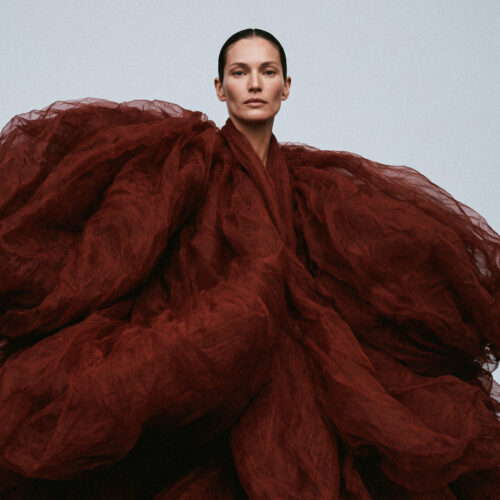
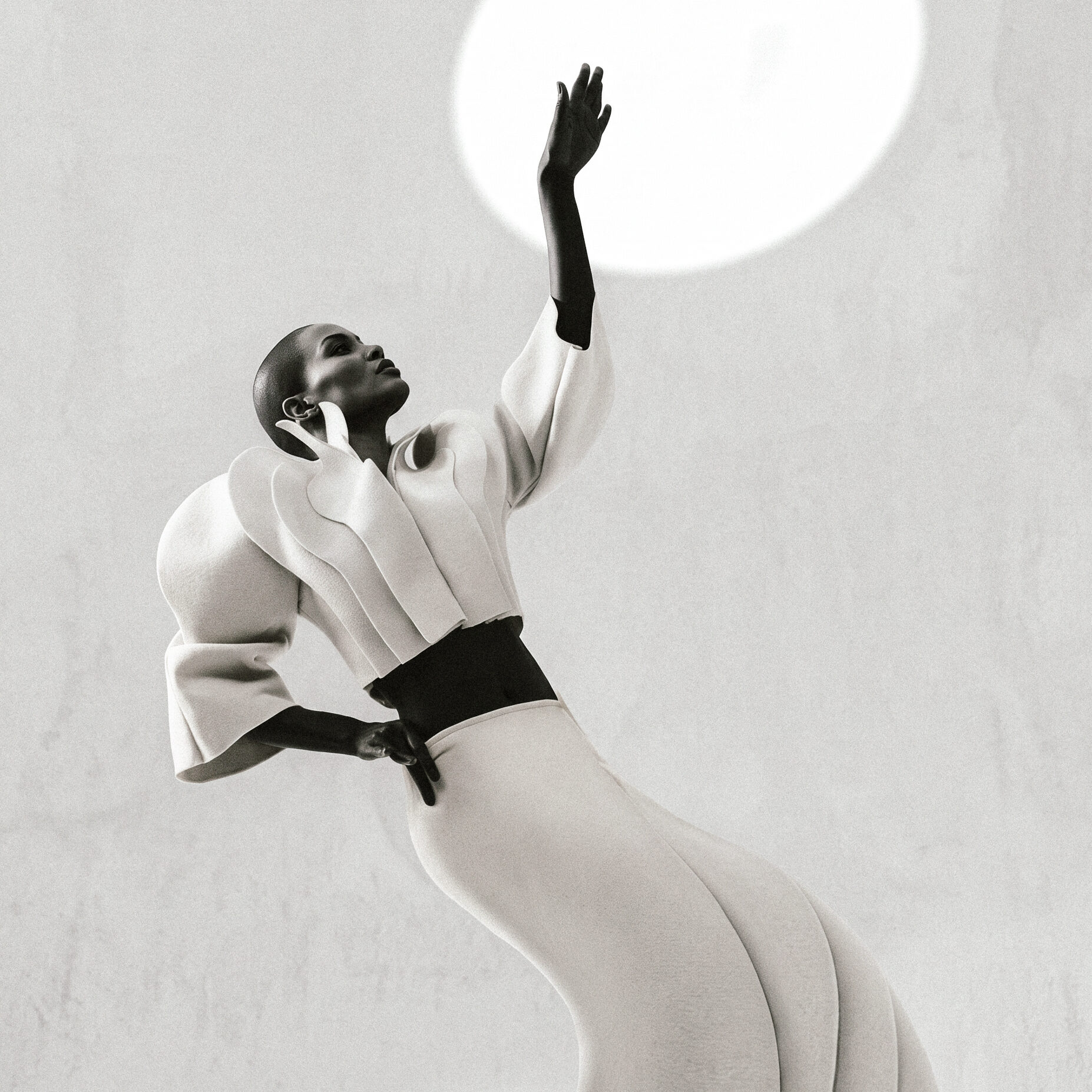
Art, architecture, cinema, photography and design shape the creative vision of Ricciarini 74. Proportion, rhythm, light and composition become ways of exploring materials and questioning their possibilities. A visual reference can suggest tension across a surface, a geometric rhythm or a different relationship between solid and open spaces. Textile expertise translates these inspirations into choices of yarn, weave and finishing techniques. Through this dialogue, visual culture becomes part of the fabric construction process, going beyond mere decorative references.
Ricciarini has transformed wool into Ultra-Wool by pushing the number of twisted yarn plies to the limit. The result is a fabric with a clean, contemporary appearance. Wool takes on new geometric expressions, creating innovative structures that culminate in a three-dimensional effect.

A fabric that brings together technical polyurethane yarns and traditional wool yarns, creating a balance between heritage and innovation. Featuring classic patterns, it has an almost rubber-like hand, giving wool a distinctly technical character. Ideal for structured garments with a distinctive, unconventional fit.

The combination of cotton and cashmere creates a compact fabric with a soft, smooth hand. Its aesthetic is minimalist and elegant. A fabric with a substantial feel, yet perfectly suited to everyday wear, ideal for garments with a natural, refined style.

