
The finest natural fabrics from the Casentino heritage.
Owned exclusively by Ricciarini.
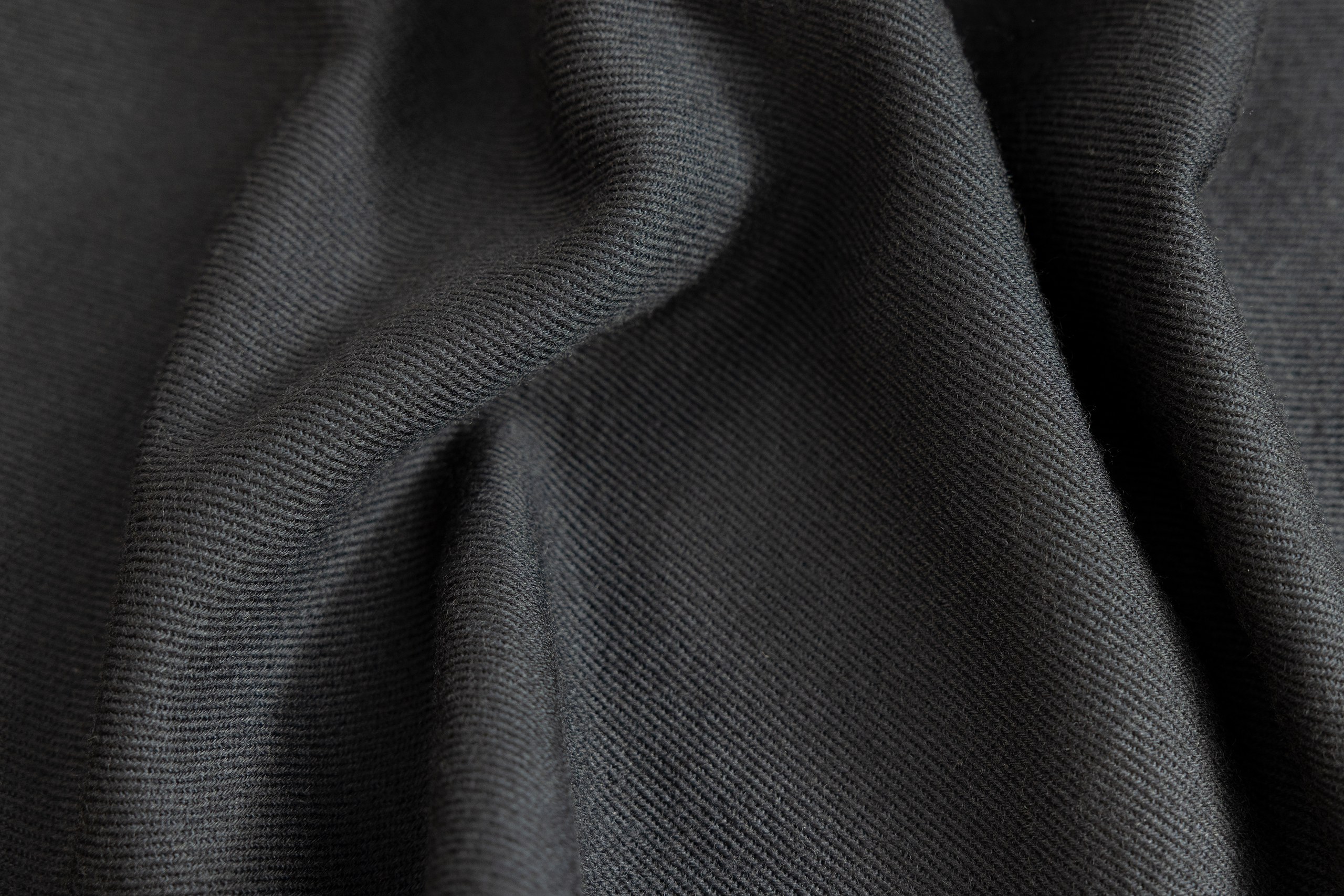
Casentino 1848 is rooted in a textile culture shaped by the region, wool and the traditional craftsmanship of Casentino cloth. Ricciarini carries this heritage forward, expanding its language through a line dedicated to natural fibres and their contemporary possibilities. Fine wools, cashmere, camel hair, alpaca, linen, cotton, silk and carefully selected blends form a collection spanning different weights and seasons. Compact woollen cloths, double-faced fabrics, bouclés, twills, airy weaves and lightweight textures reveal distinct characters, united by a shared commitment to the quality of the material. What connects this diversity is a clear principle: enhancing the inherent qualities of each fibre through construction, hand and finishing, giving every garment a distinctive identity.
Casentino is a starting point, not a boundary. The tradition of Casentino cloth is deeply rooted in the region’s history and the expertise that has shaped its textile identity. Casentino 1848 develops its own interpretation of this heritage within the Ricciarini universe, bringing the knowledge of wool and traditional textile techniques into new applications. Heritage becomes a method of exploration: understanding the character of a fibre, recognising the value of a construction and deciding how to reinterpret it for the contemporary wardrobe. The connection to its origins remains evident in the quality of the fabric, without defining its stylistic or seasonal boundaries.
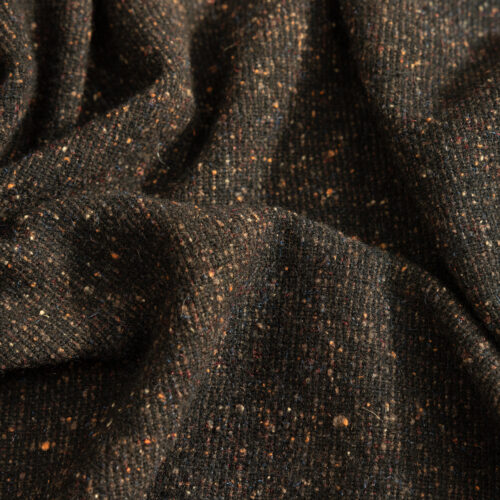
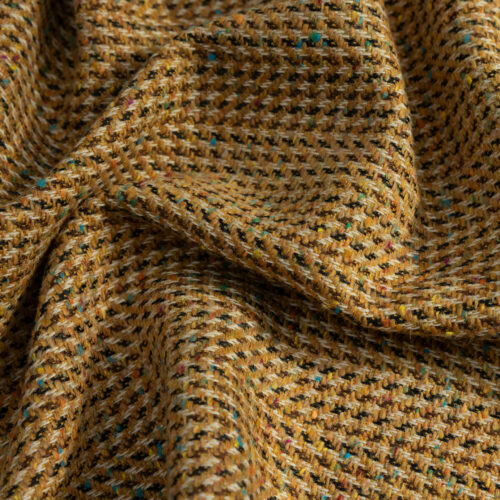
The depth of a fabric takes shape through yarn, construction and finishing.
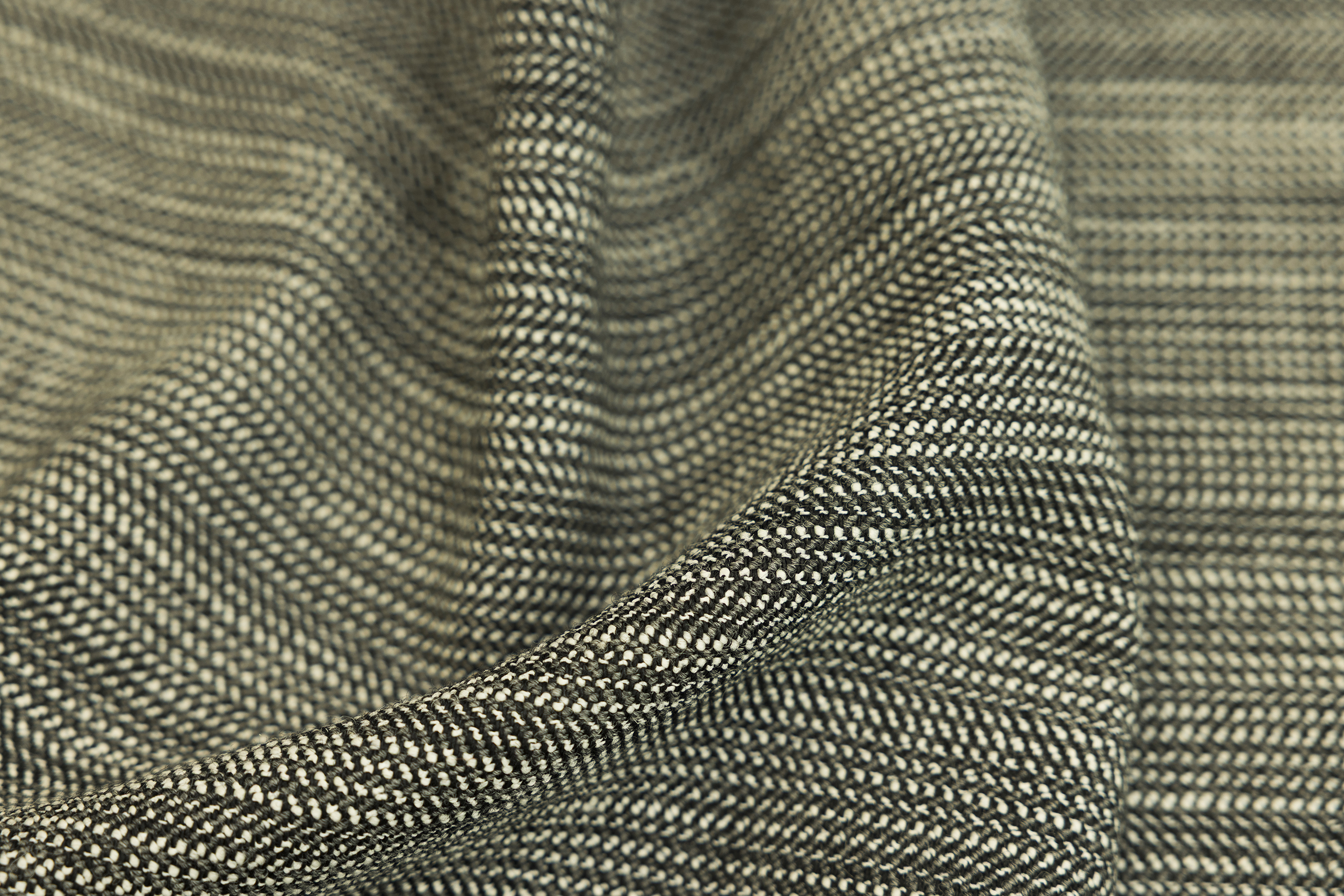
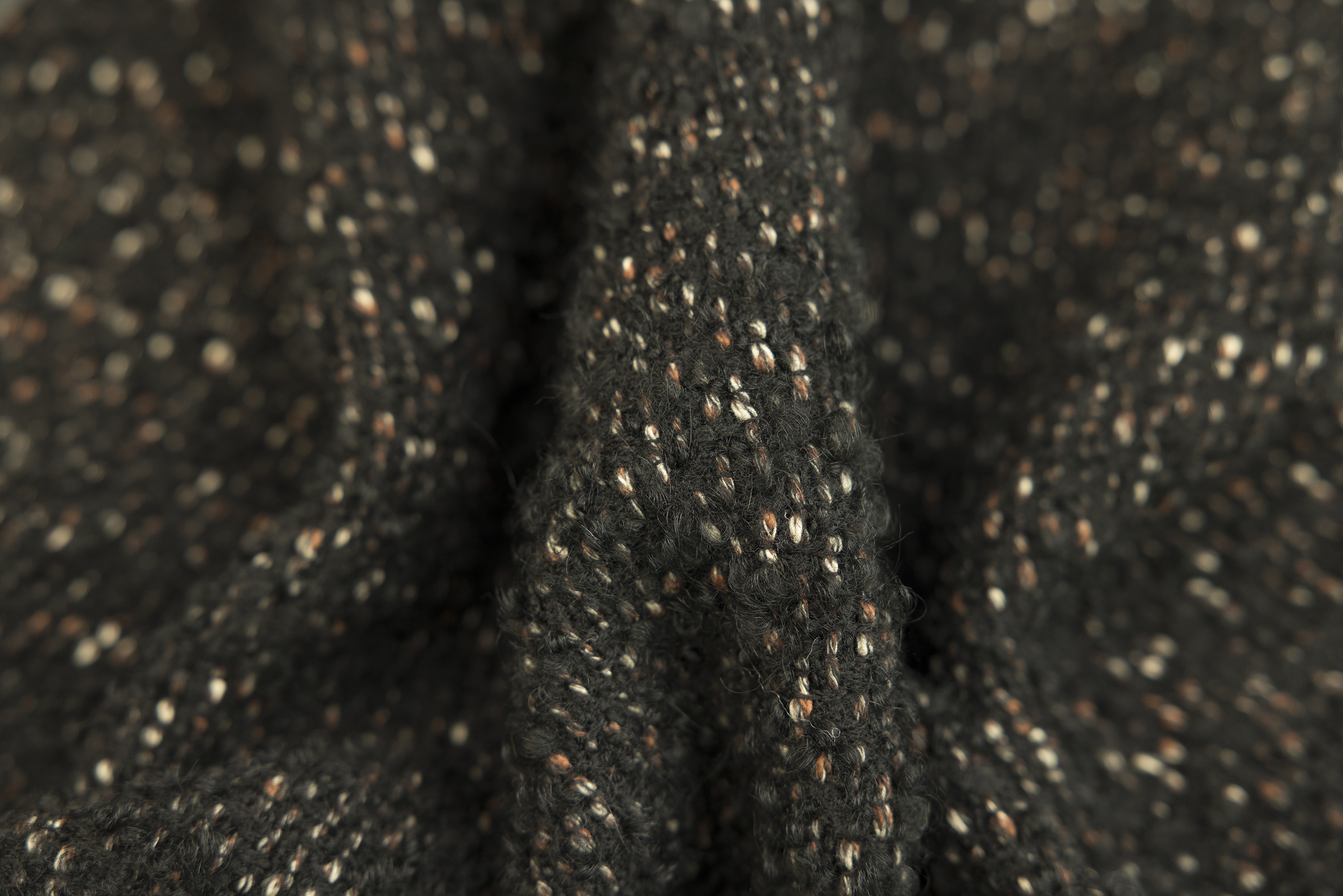
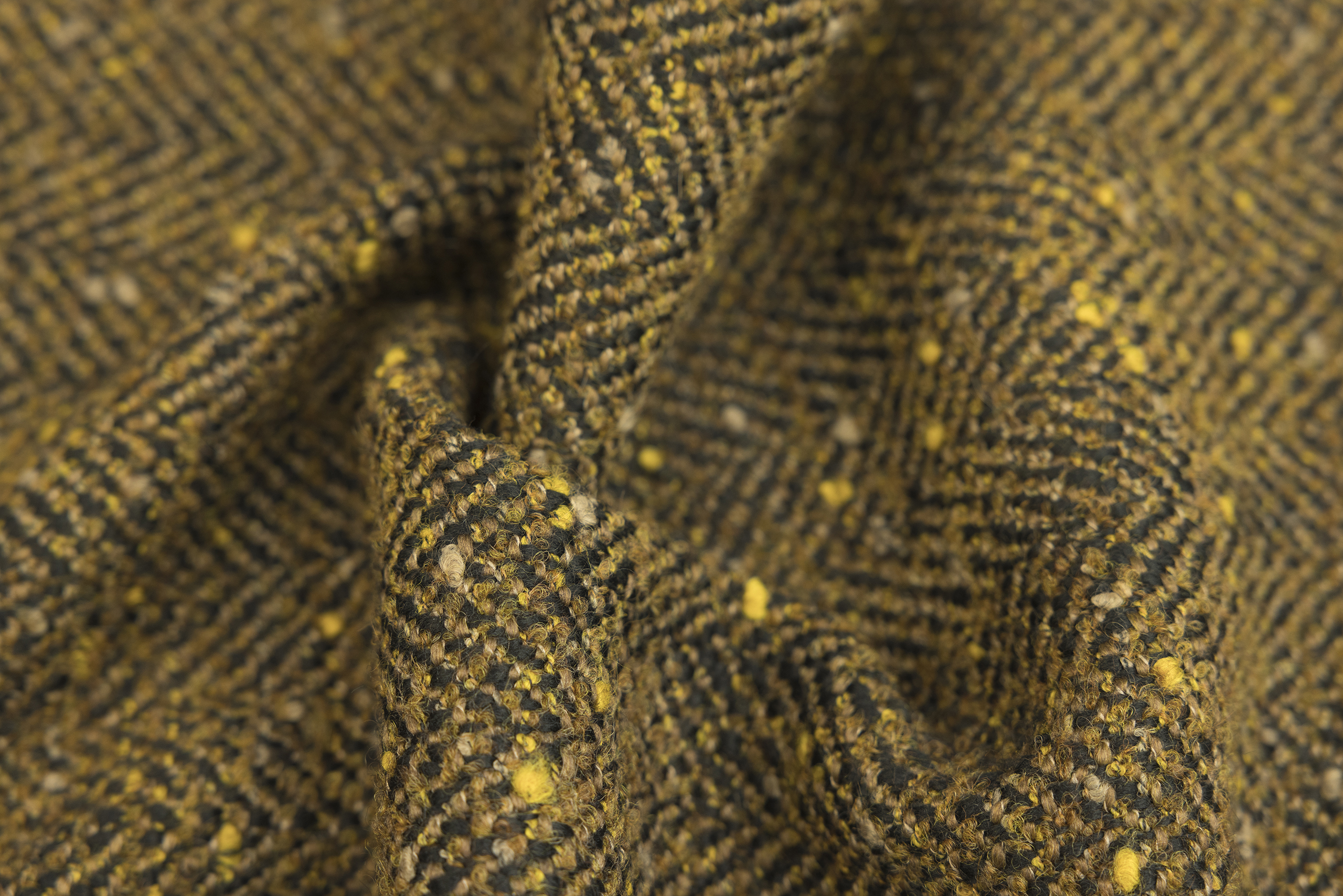
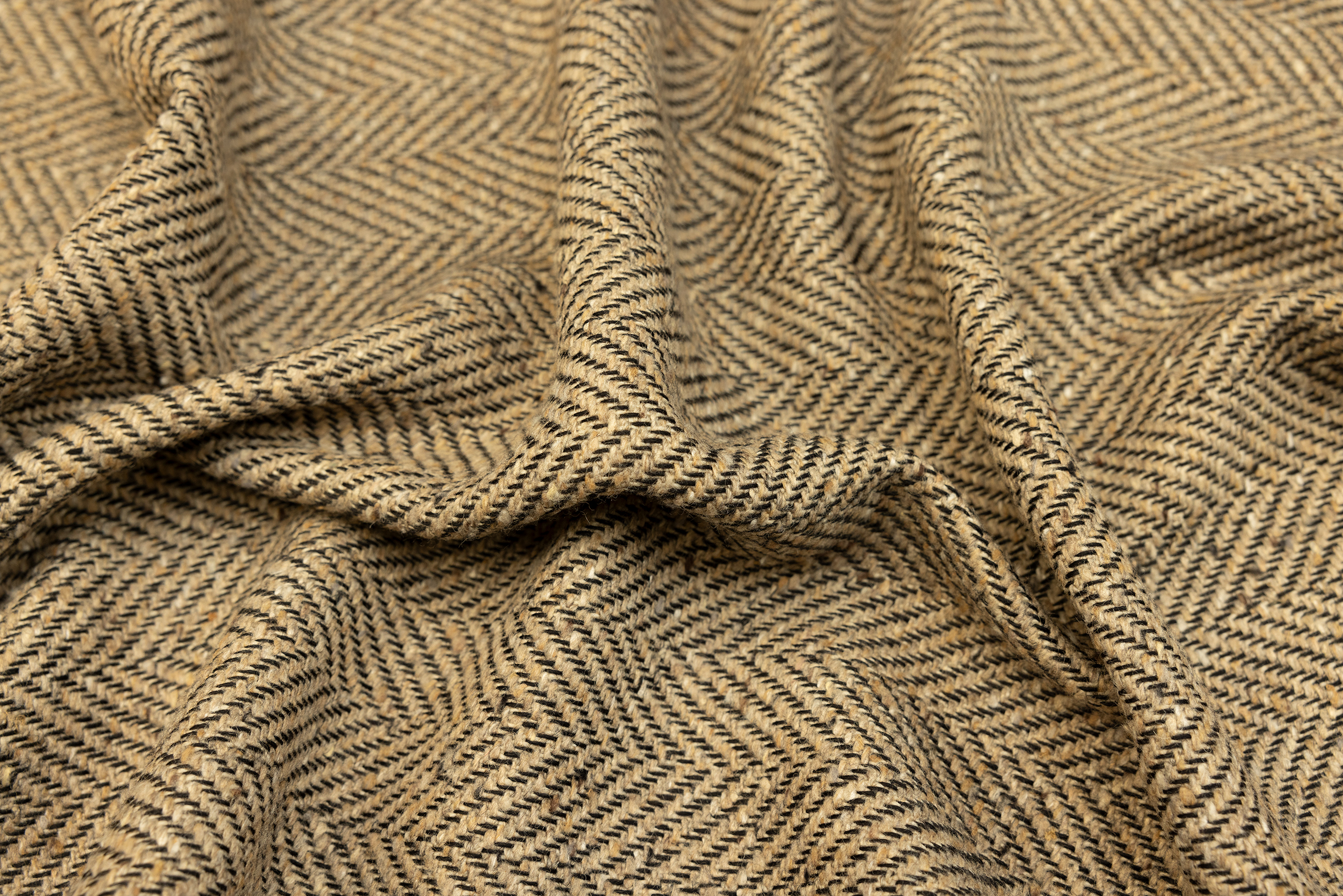
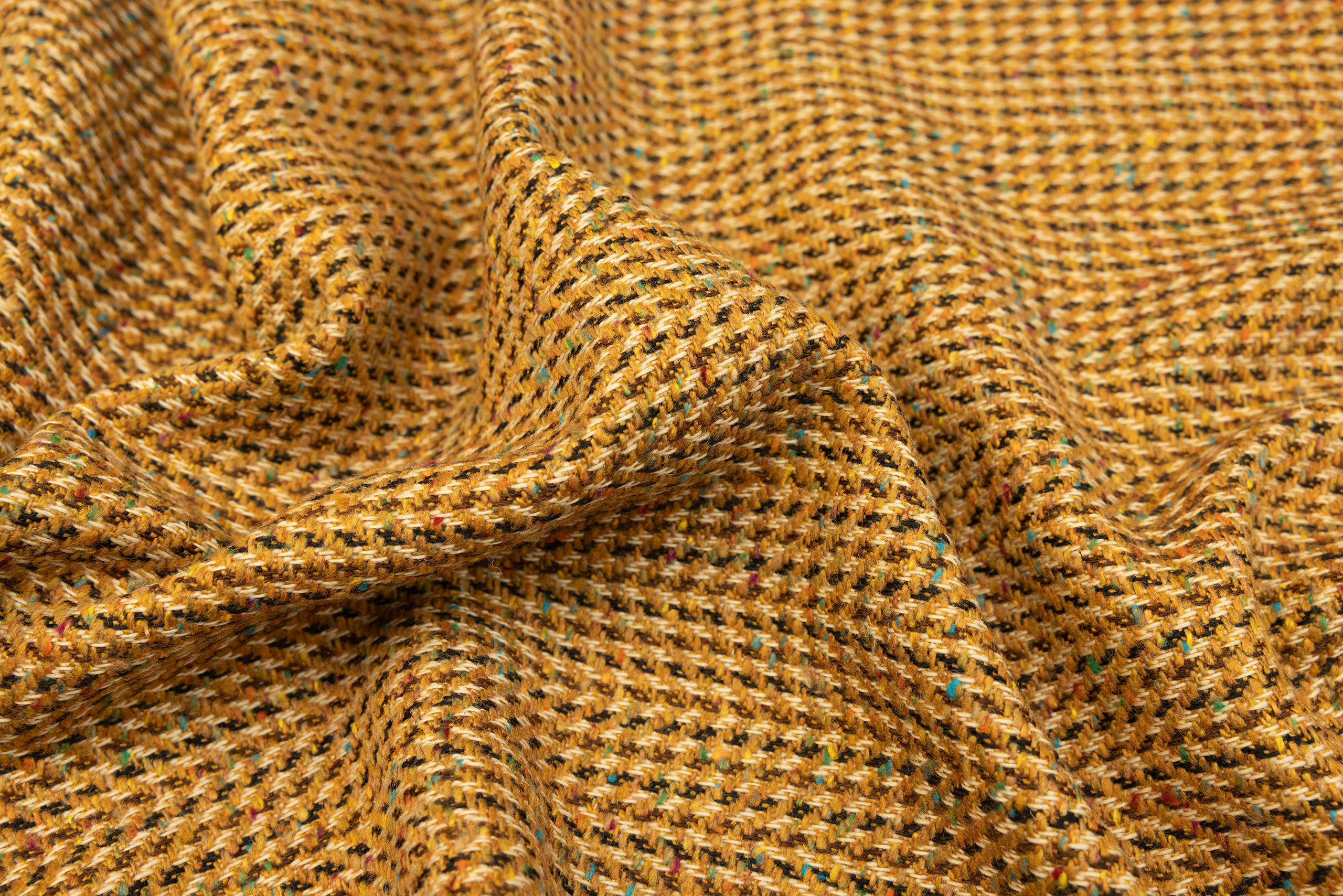
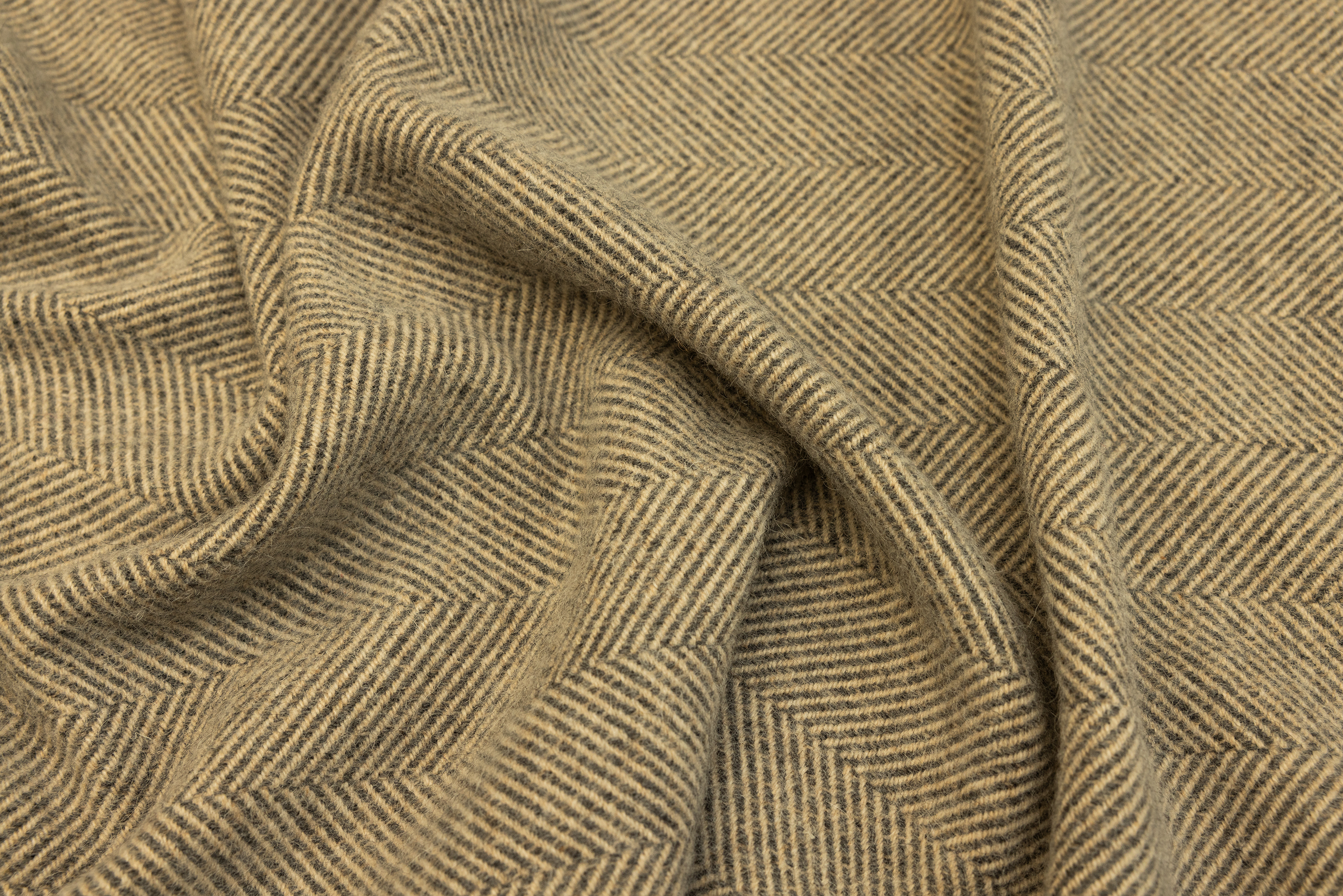
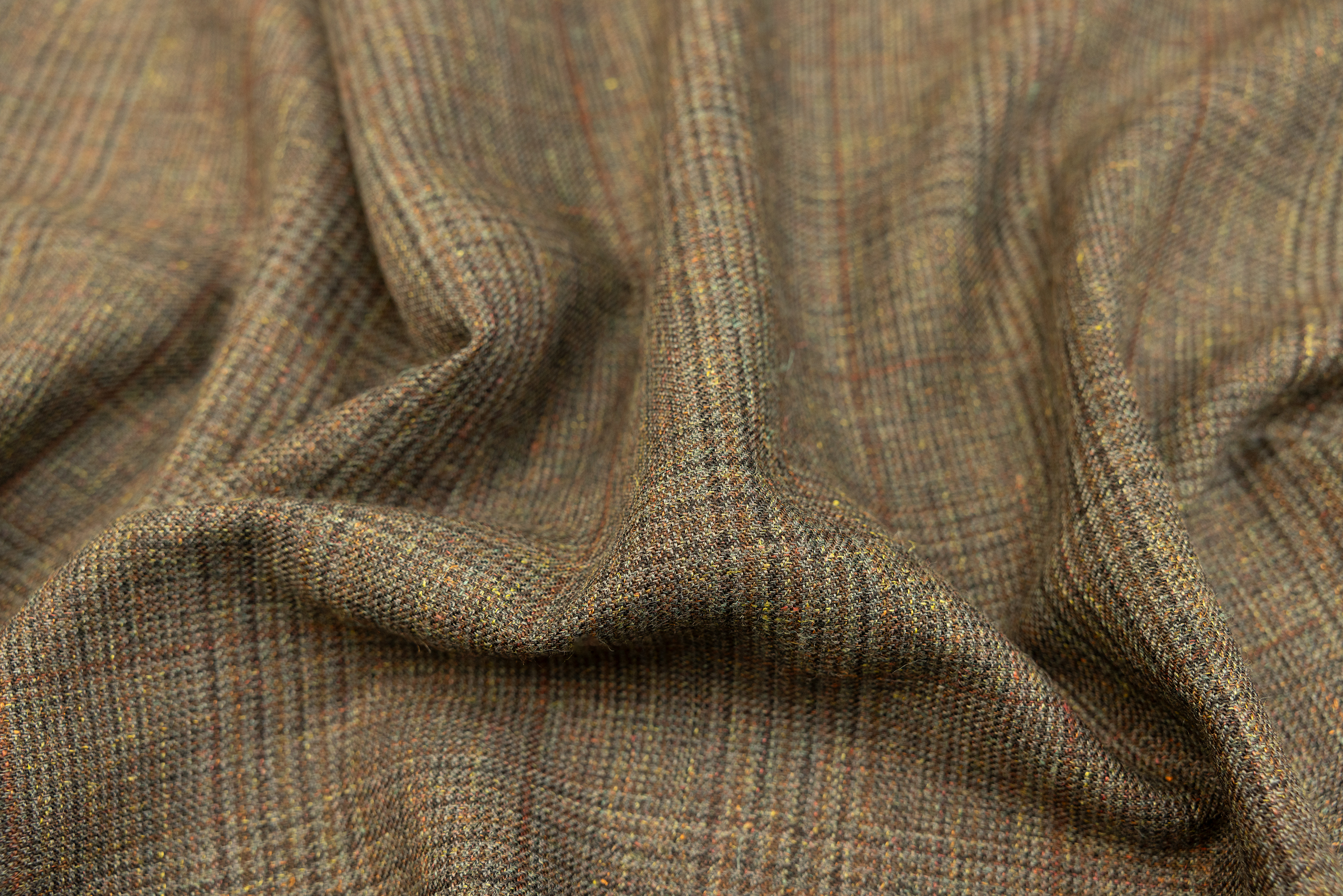
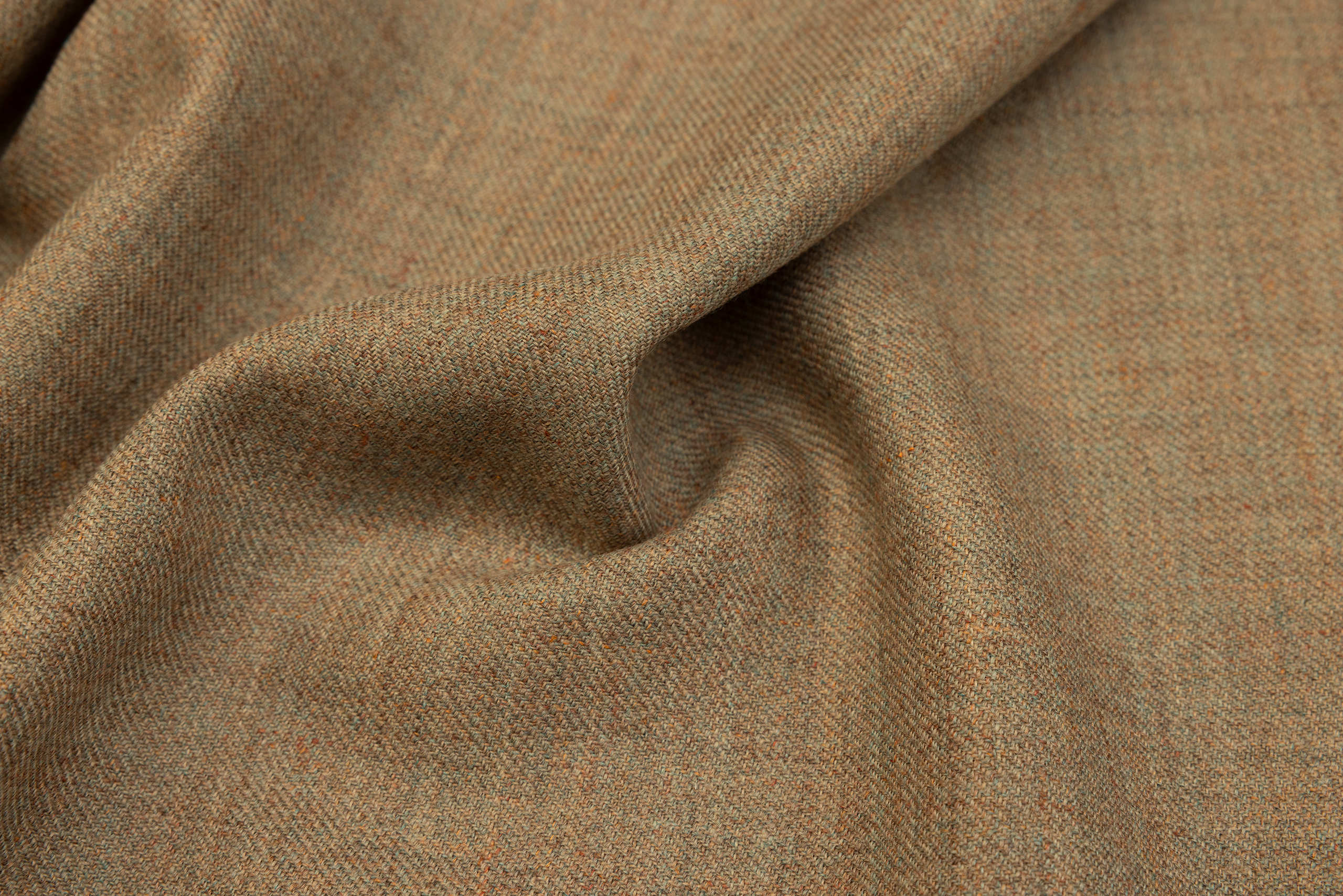
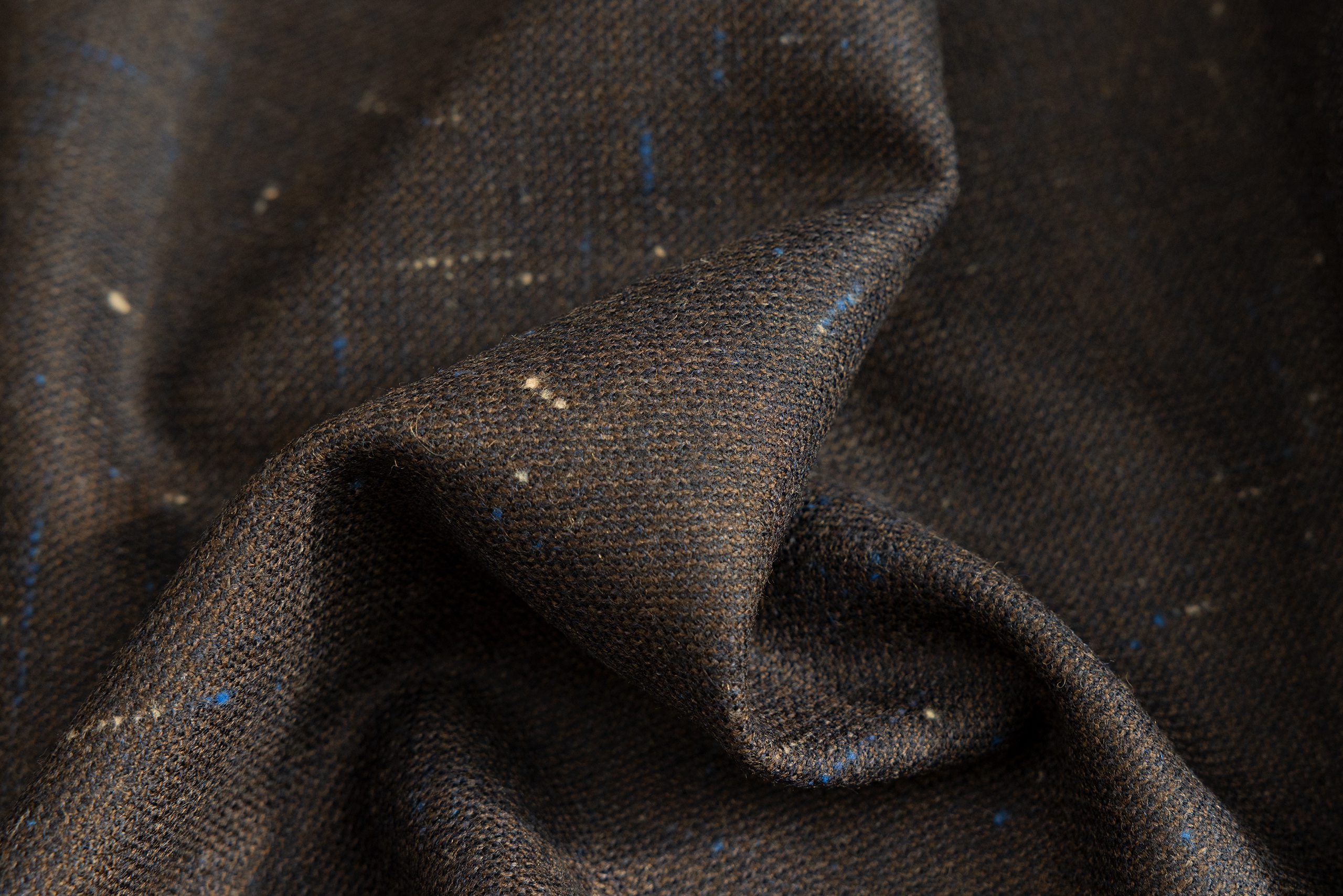
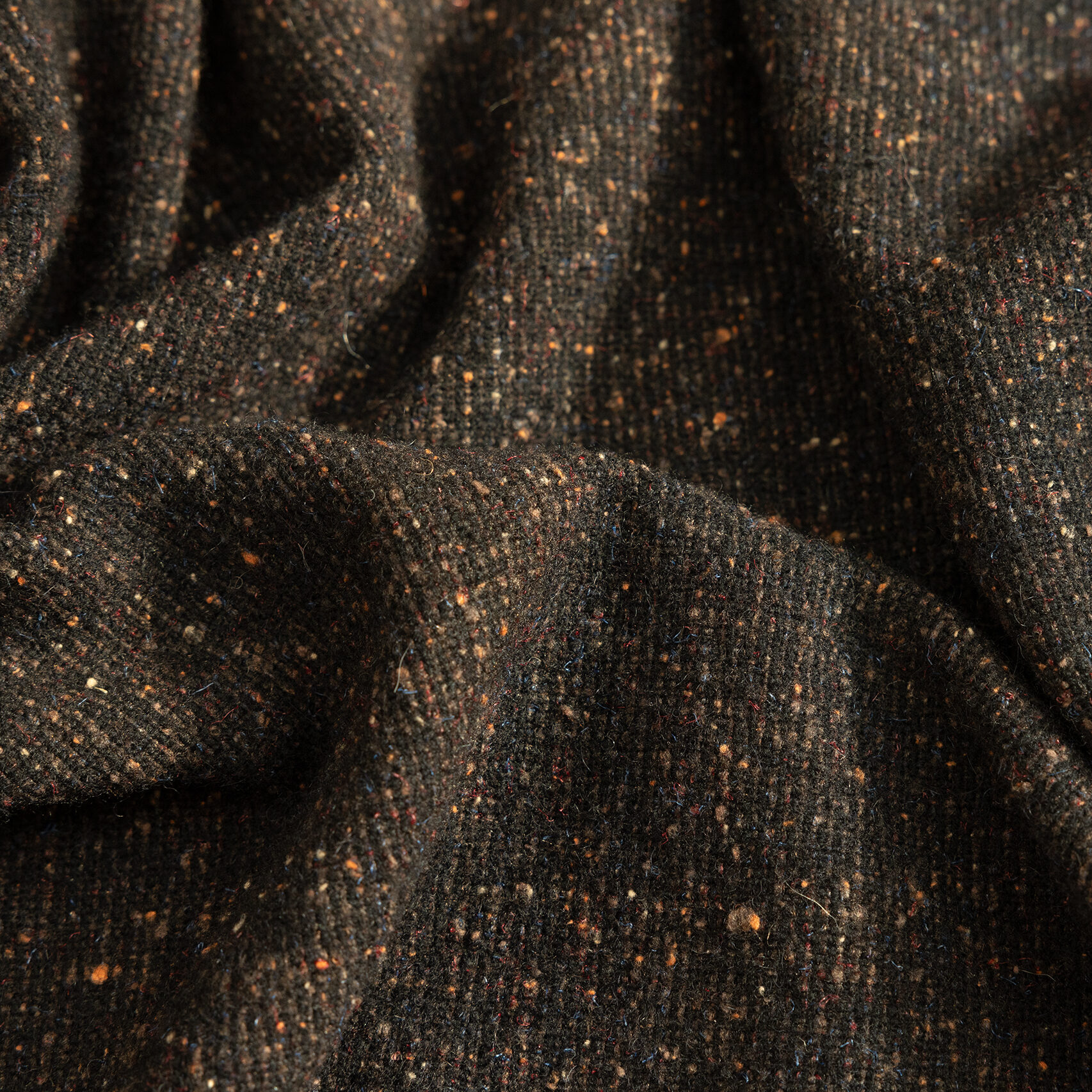
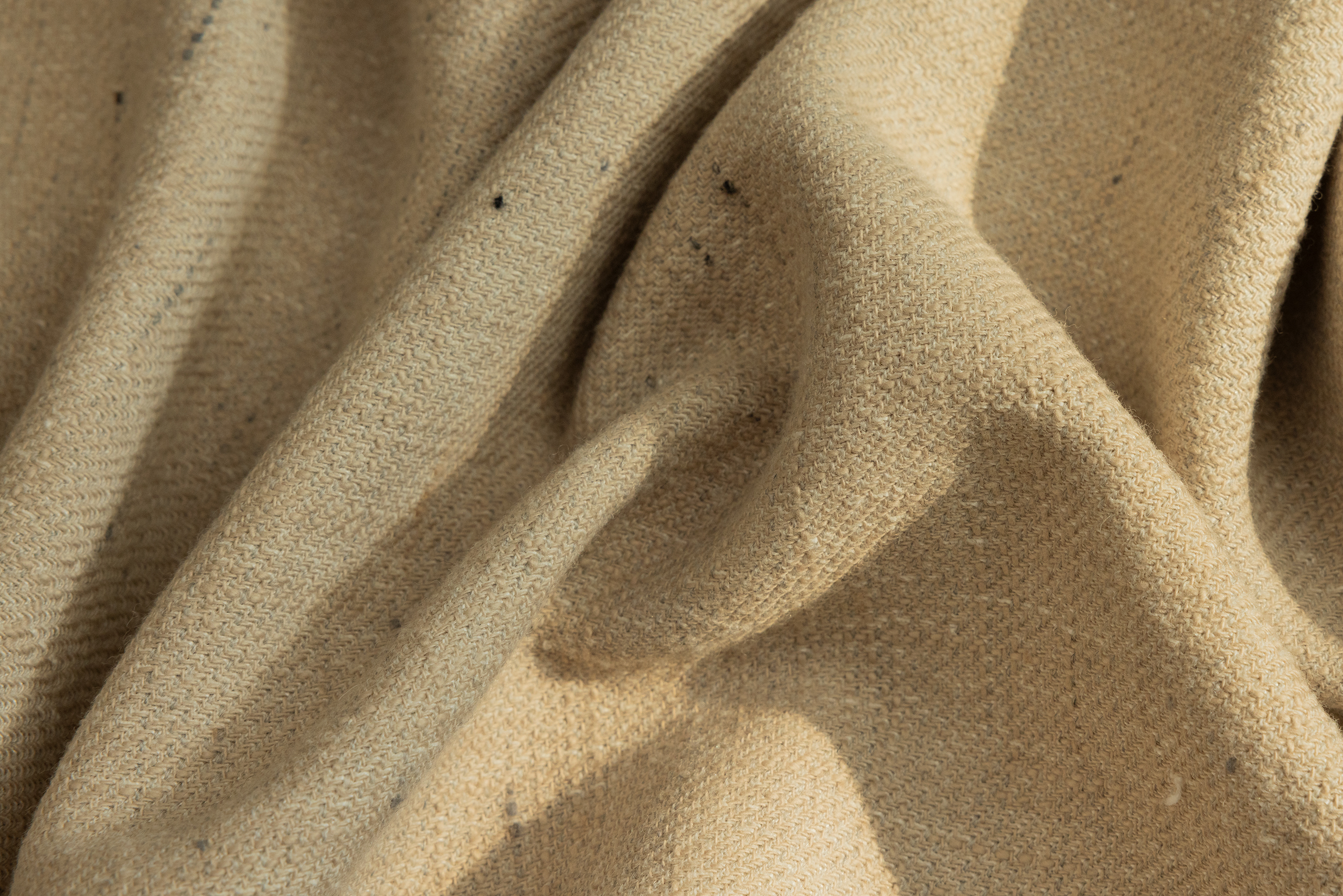
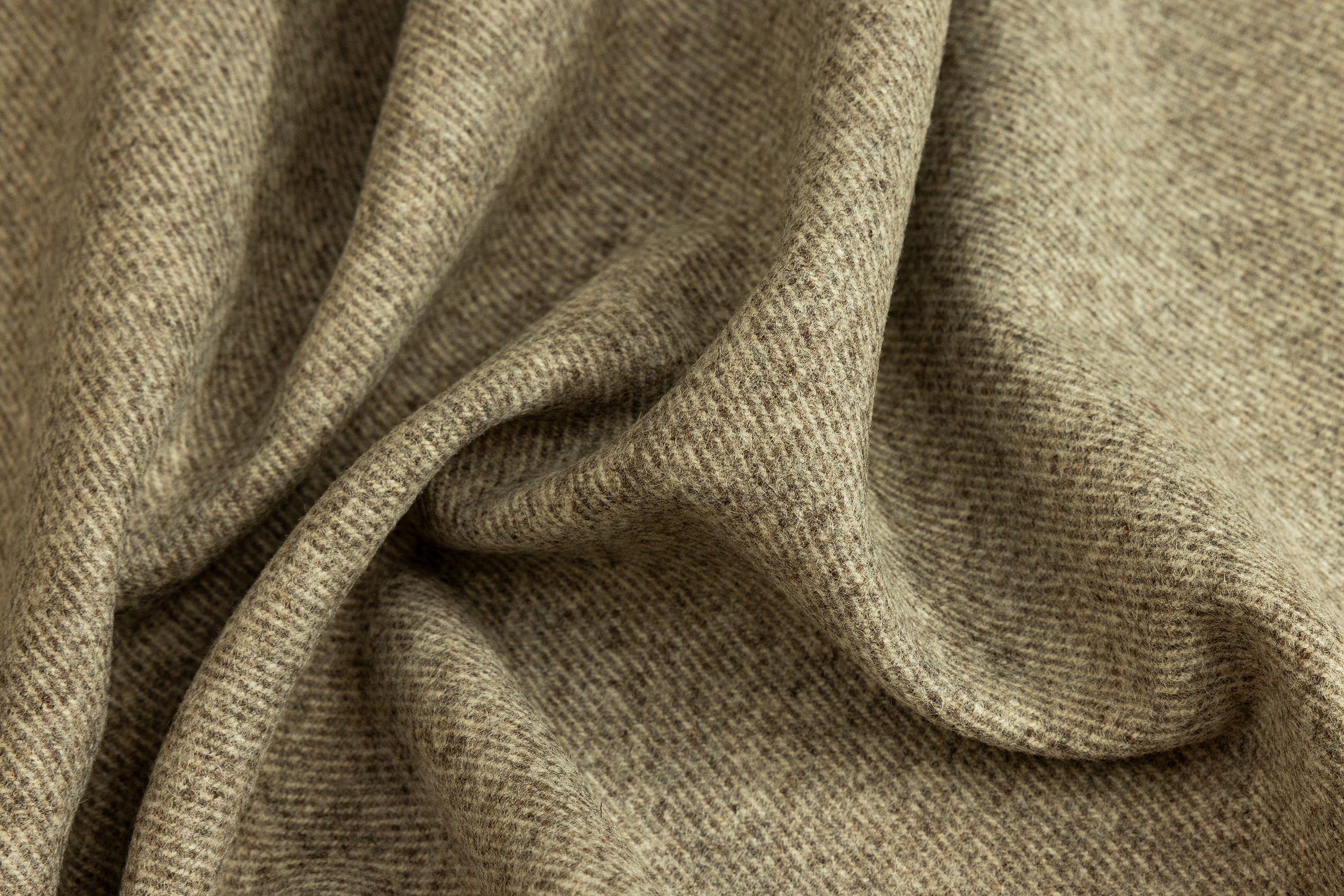
An alpaca-rich blend is enhanced by a soft brushed finish, while the Donegal effect introduces subtle variations of colour across the surface. In a blend of wool and linen, slub yarns and multicoloured combinations create a richly nuanced mélange with natural irregularities. A more substantial tweed explores the texture of the weave and the characteristic nepped effect, with small flecks of colour emerging from the fabric.
Distinctive surfaces united by a focus on tactile quality and the ability of each fabric to express its own construction.
Each fibre brings its own distinctive qualities. Depending on how it is processed, wool offers structure, elasticity and protection. Cashmere brings softness and a luxurious, enveloping hand. Camel hair and alpaca add tactile depth; linen provides freshness and a lively texture; cotton offers balance and versatility; silk lends luminosity and fluidity. Casentino 1848 interprets these characteristics through yarns, weights and weaves selected to achieve the desired result. The diversity of fibres is more than an expansion of the collection: it allows the line to meet different needs while preserving a distinctive sensitivity to the material.
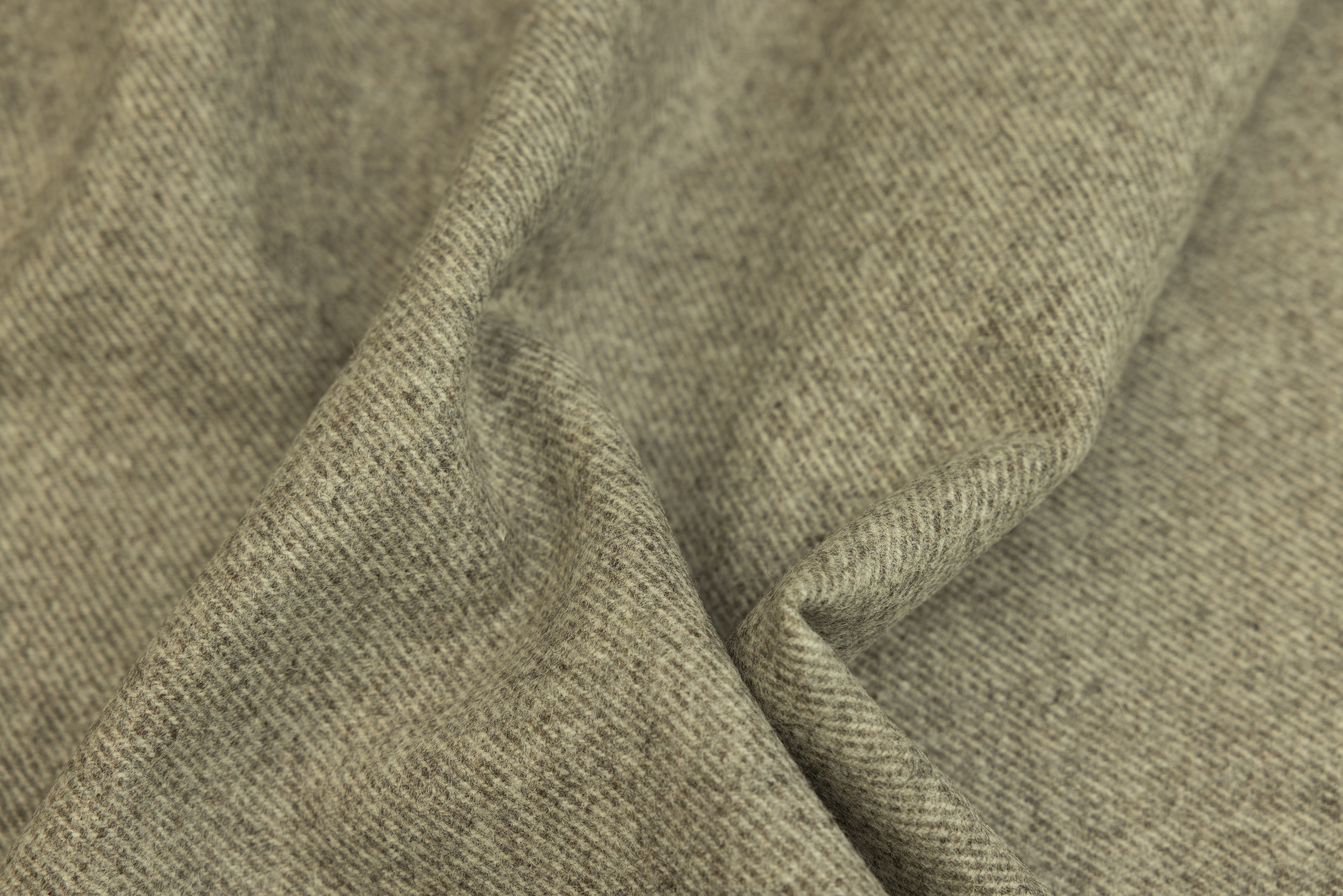
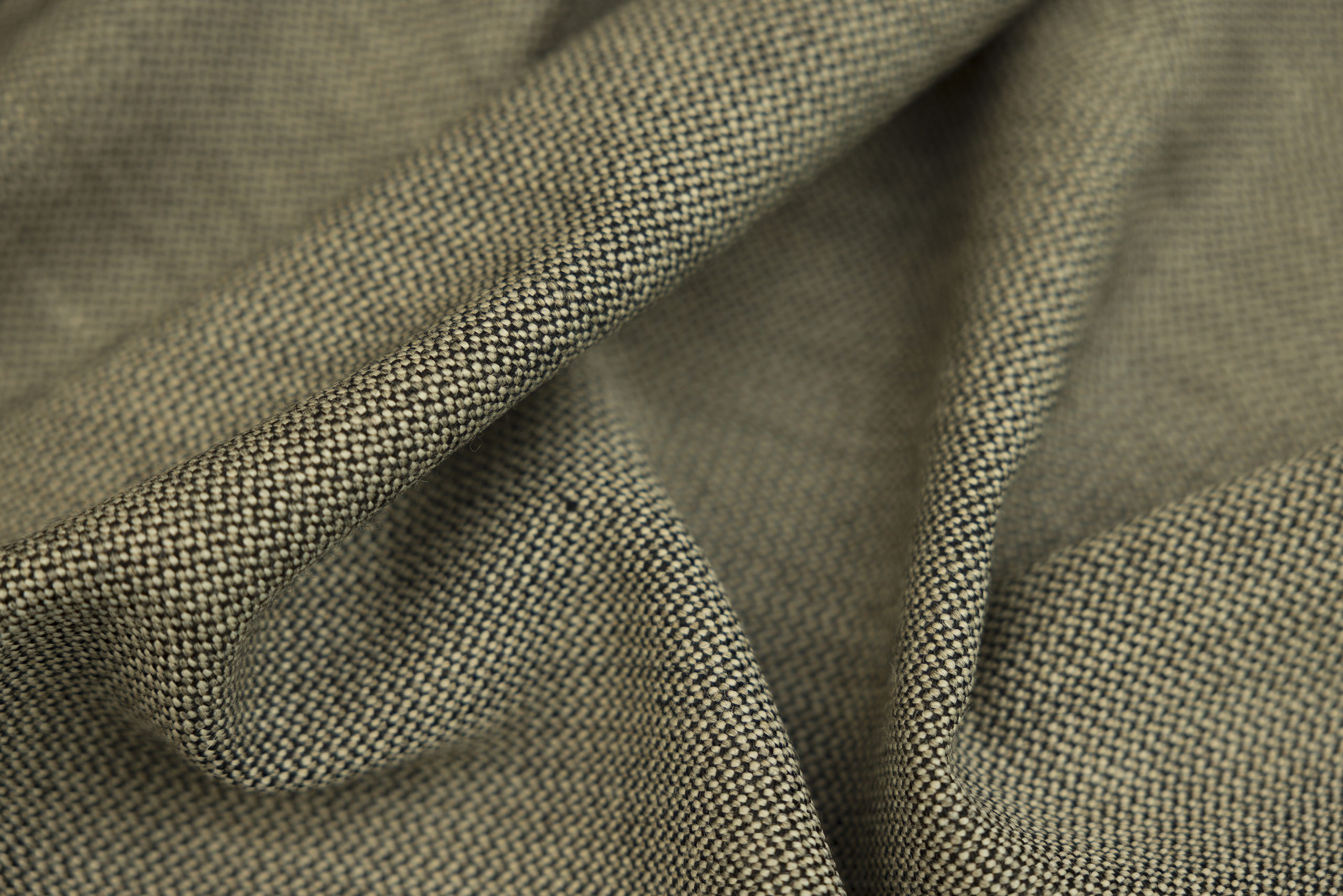
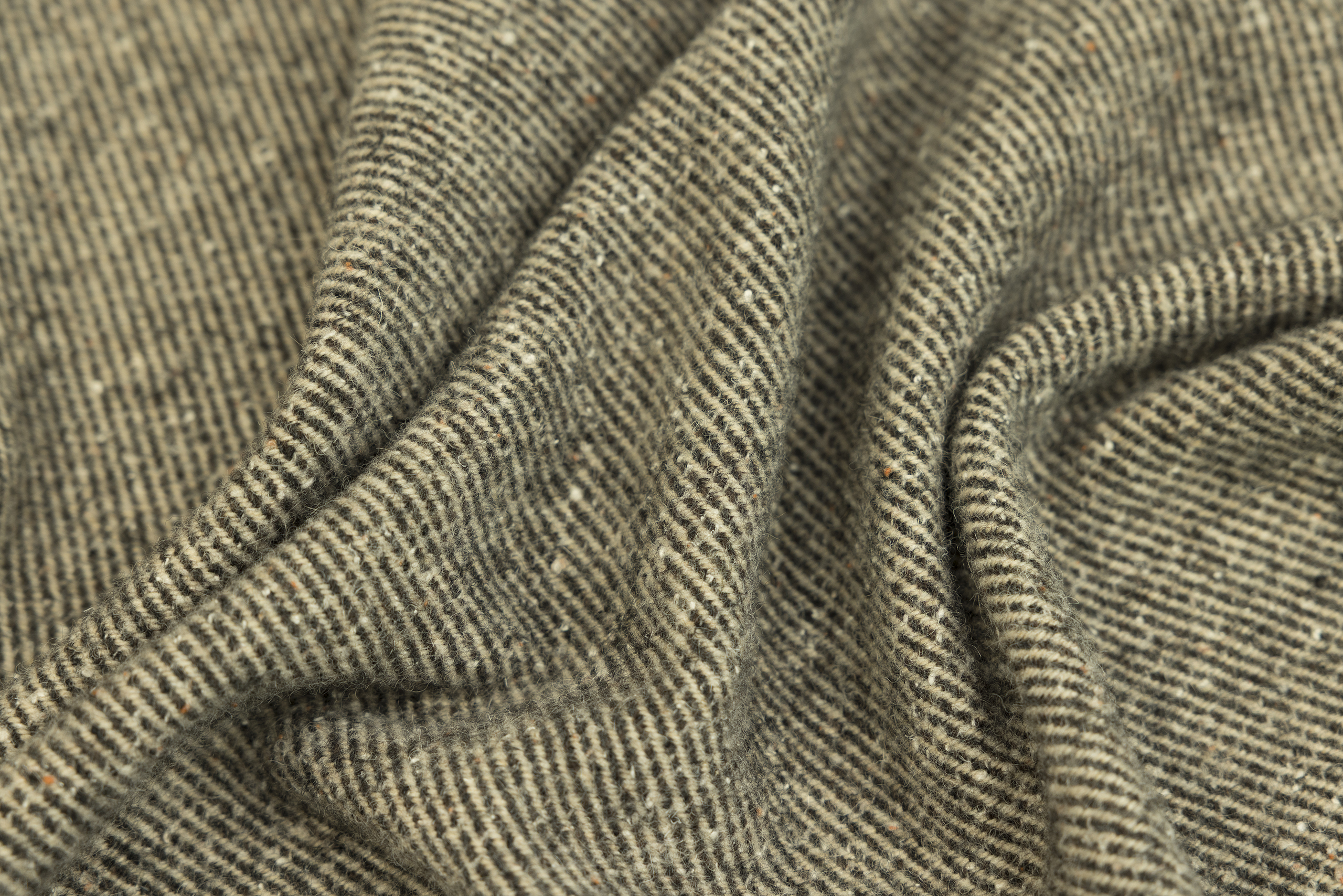
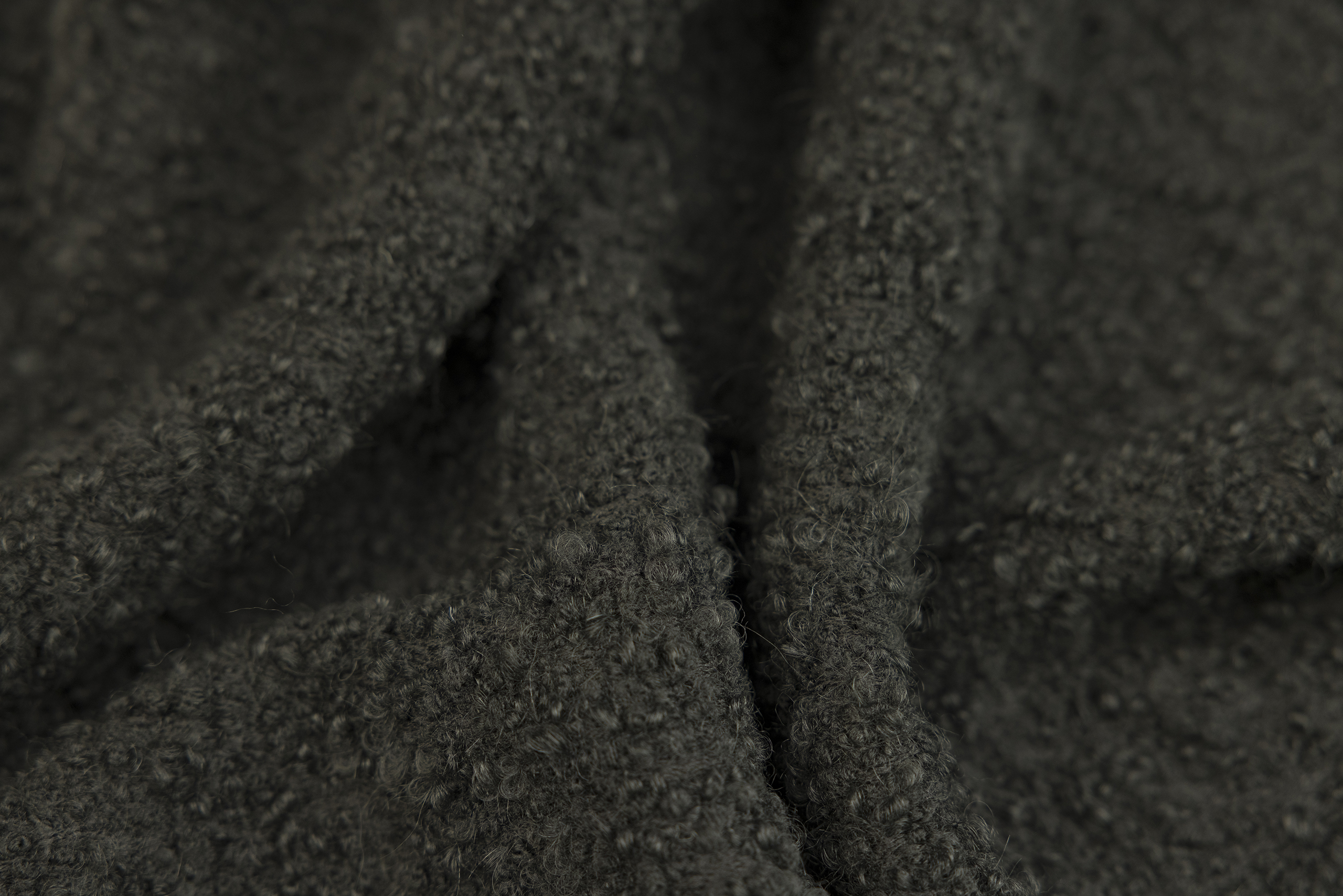
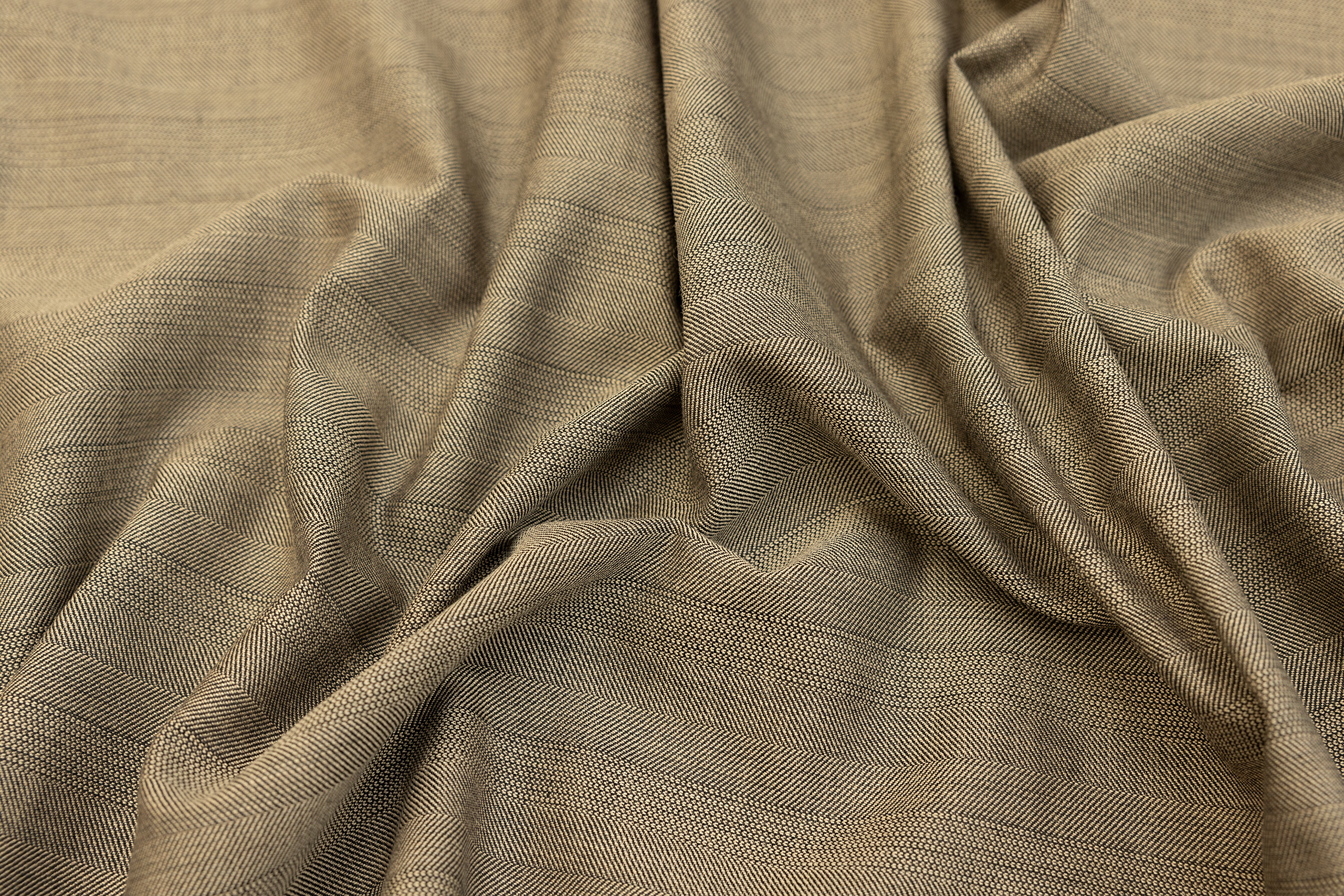

Each fibre brings its own distinctive qualities. Depending on how it is processed, wool offers structure, elasticity and protection. Cashmere brings softness and a luxurious, enveloping hand. Camel hair and alpaca add tactile depth; linen provides freshness and a lively texture; cotton offers balance and versatility; silk lends luminosity and fluidity. Casentino 1848 interprets these characteristics through yarns, weights and weaves selected to achieve the desired result. The diversity of fibres is more than an expansion of the collection: it allows the line to meet different needs while preserving a distinctive sensitivity to the material.
Each fibre brings its own distinctive qualities. Depending on how it is processed, wool offers structure, elasticity and protection. Cashmere brings softness and a luxurious, enveloping hand. Camel hair and alpaca add tactile depth; linen provides freshness and a lively texture; cotton offers balance and versatility; silk lends luminosity and fluidity. Casentino 1848 interprets these characteristics through yarns, weights and weaves selected to achieve the desired result. The diversity of fibres is more than an expansion of the collection: it allows the line to meet different needs while preserving a distinctive sensitivity to the material.
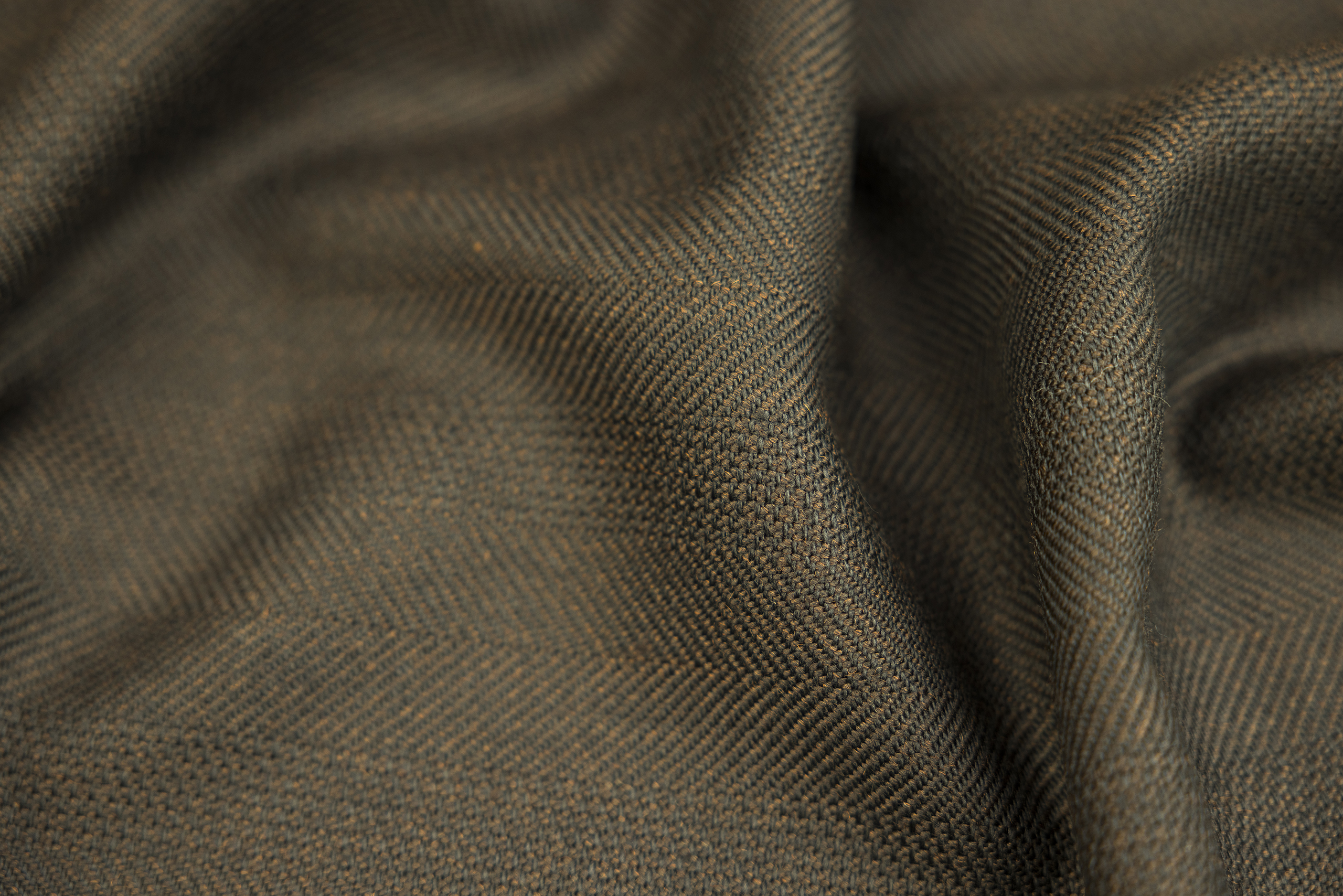
The character of a natural fabric changes according to its weight, construction and intended season. Dense, protective woollen cloths find their expression in coats and more structured garments. Double-faced fabrics, bouclés and richly textured surfaces lend themselves to jackets and overshirts. Twills, open weaves and lighter weights extend the possibilities to dresses, trousers, suits and garments designed for milder months. This breadth does not dilute the line’s identity. The different constructions share the same attention to hand, surface and the way the material behaves in the finished garment.
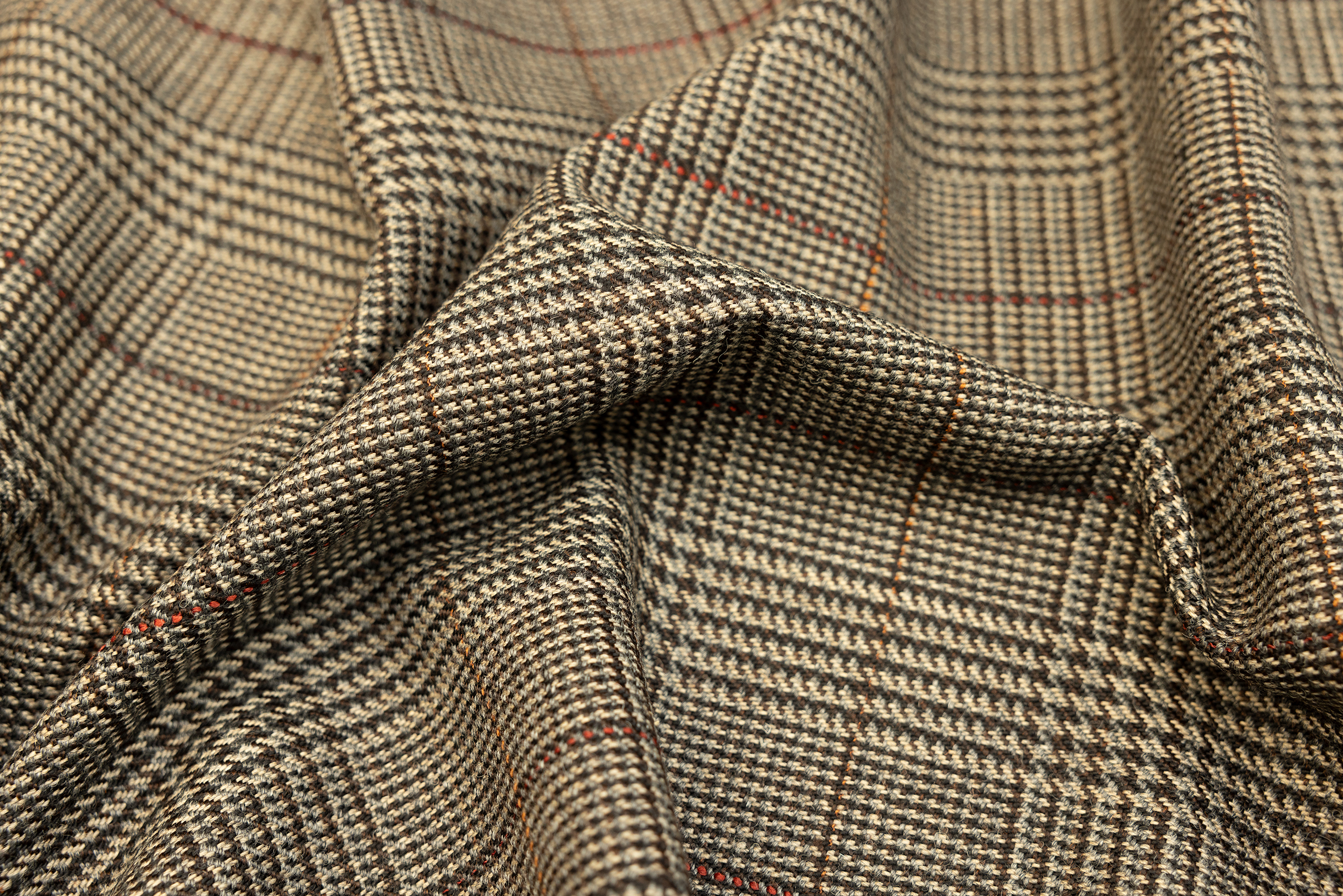
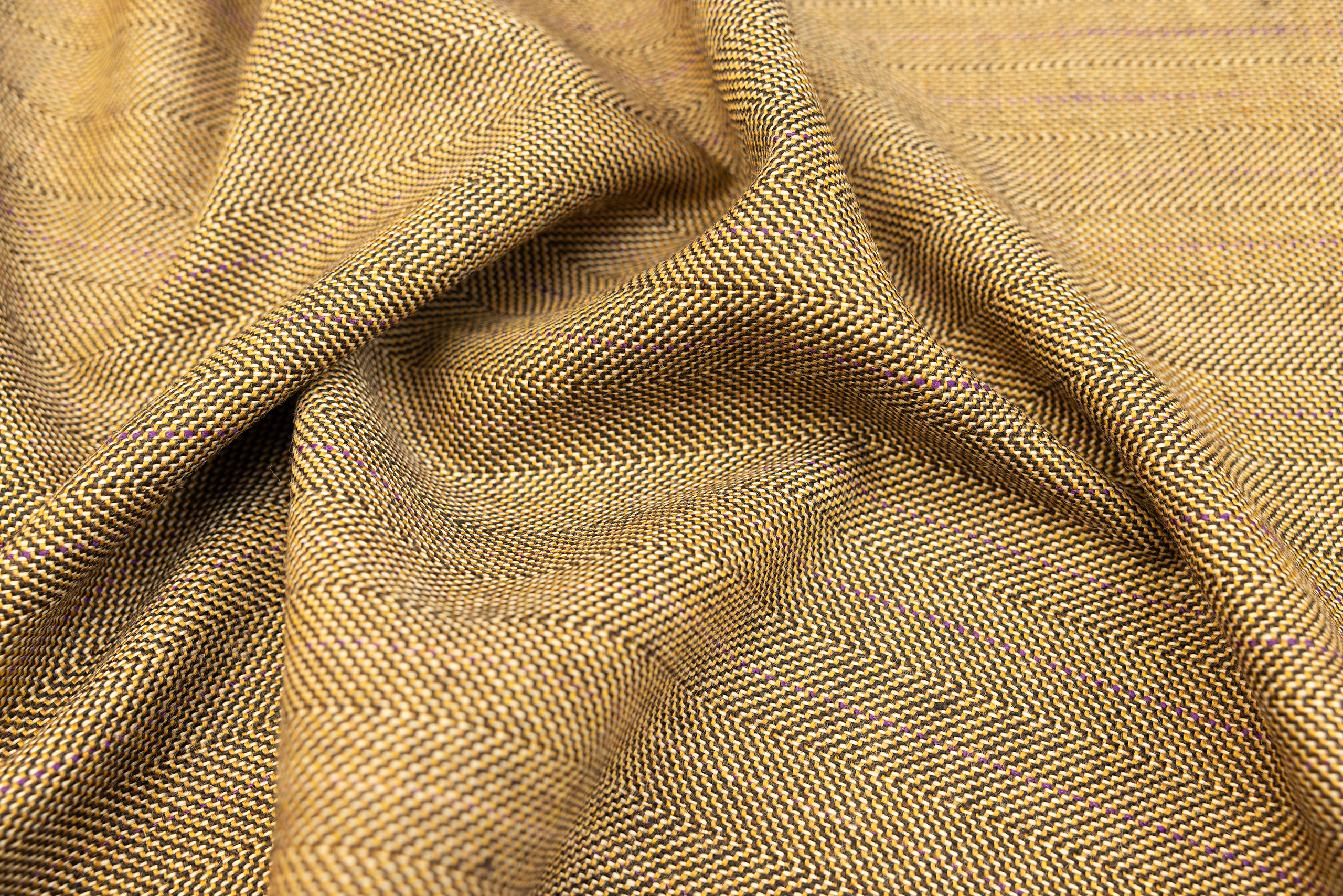
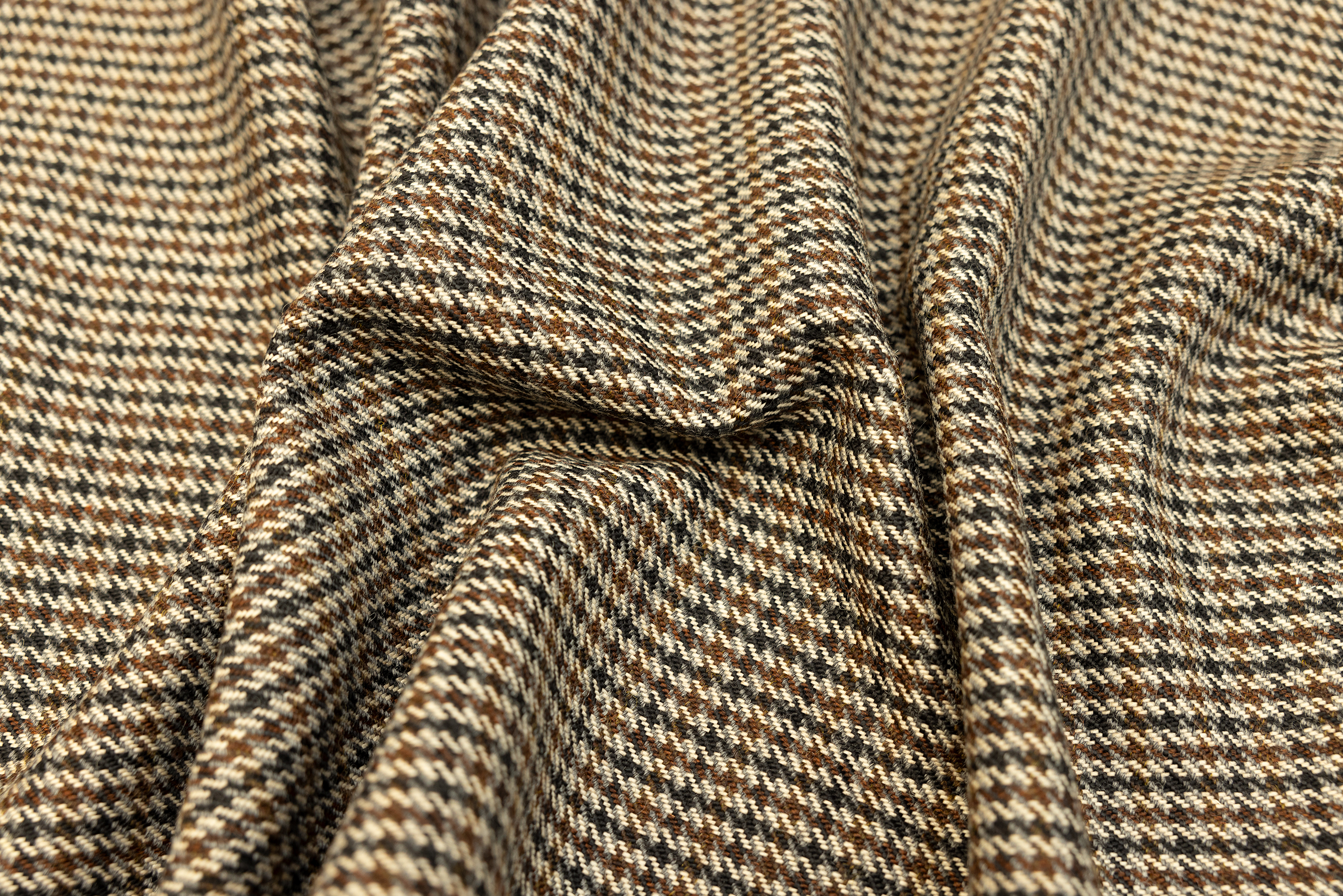
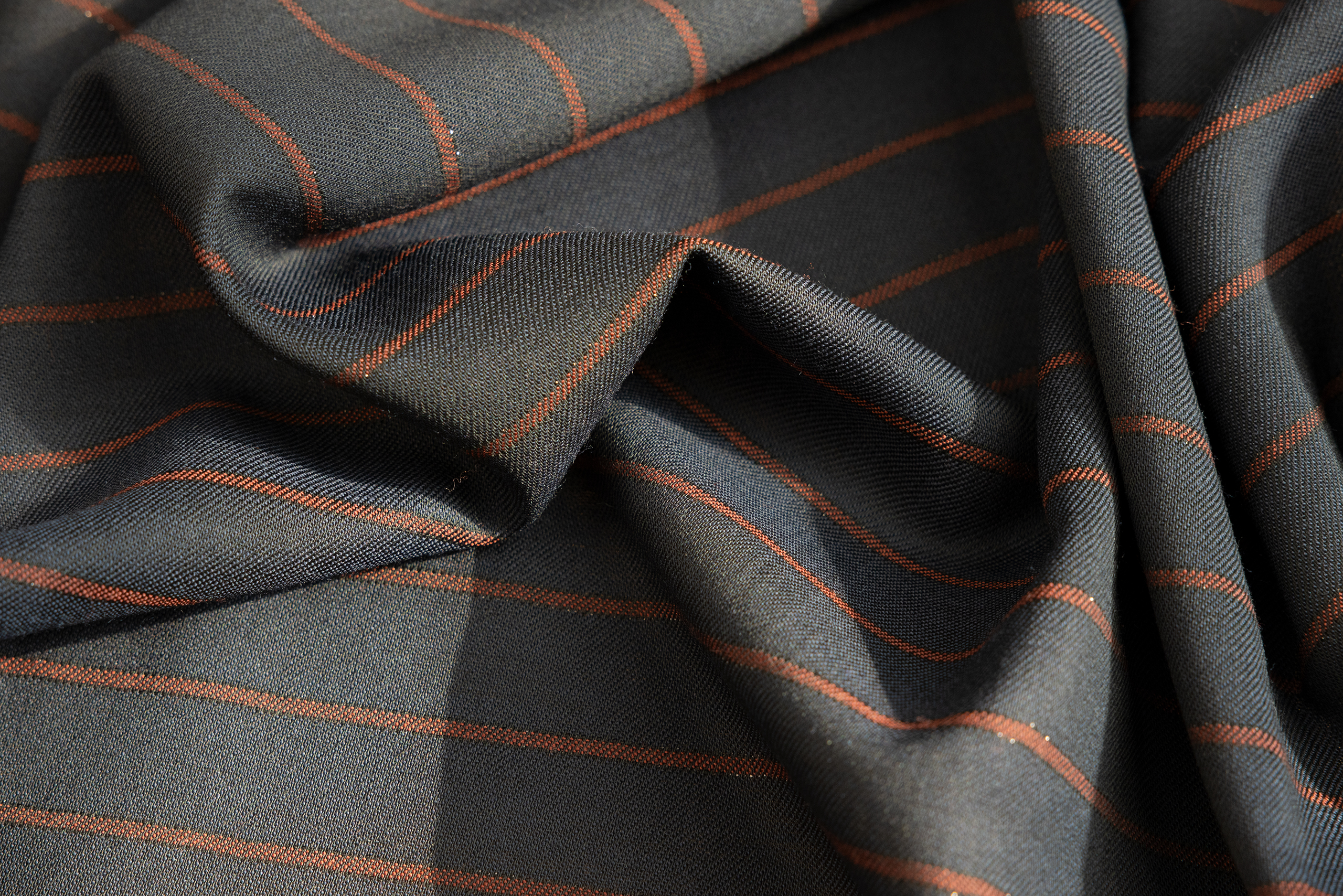
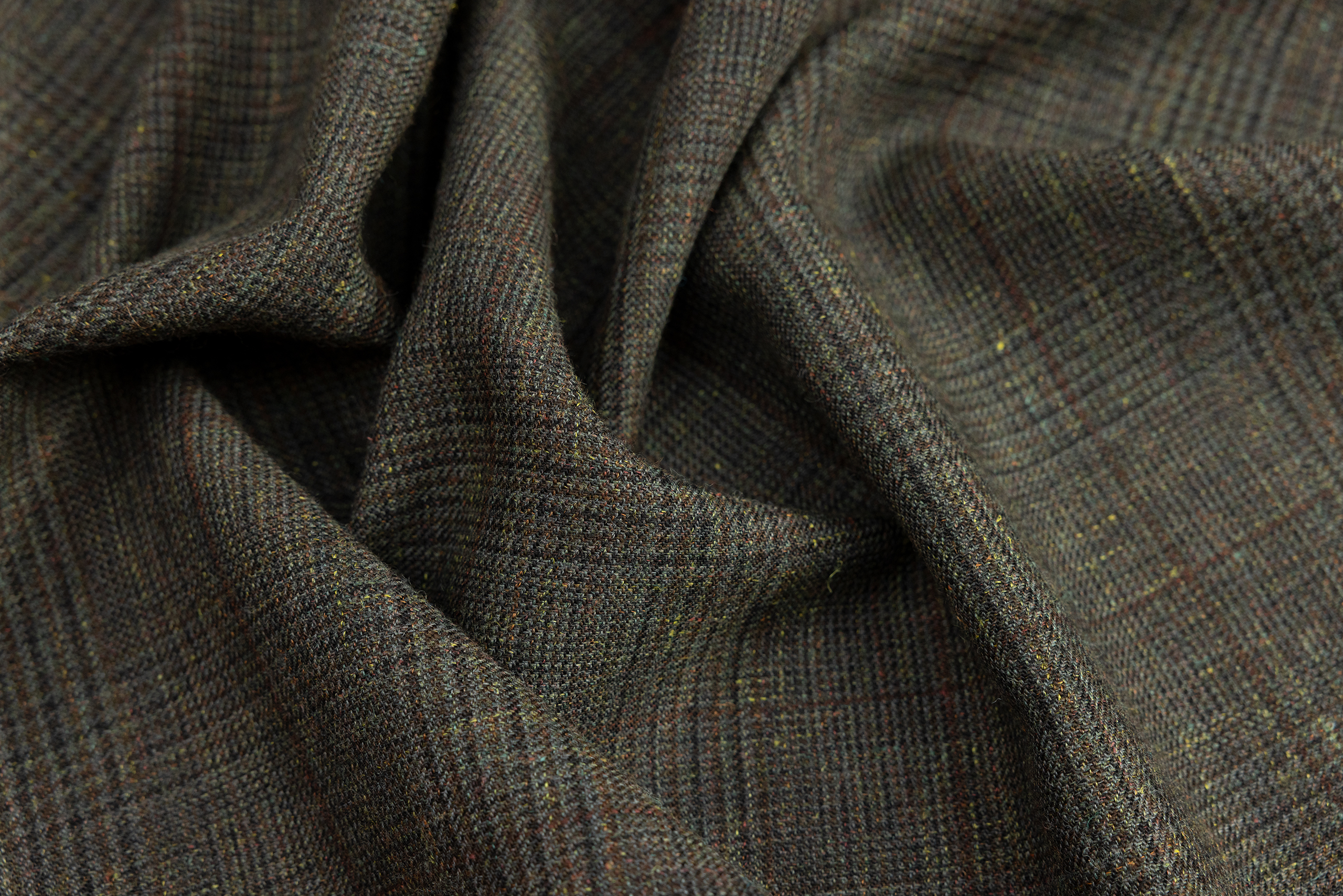
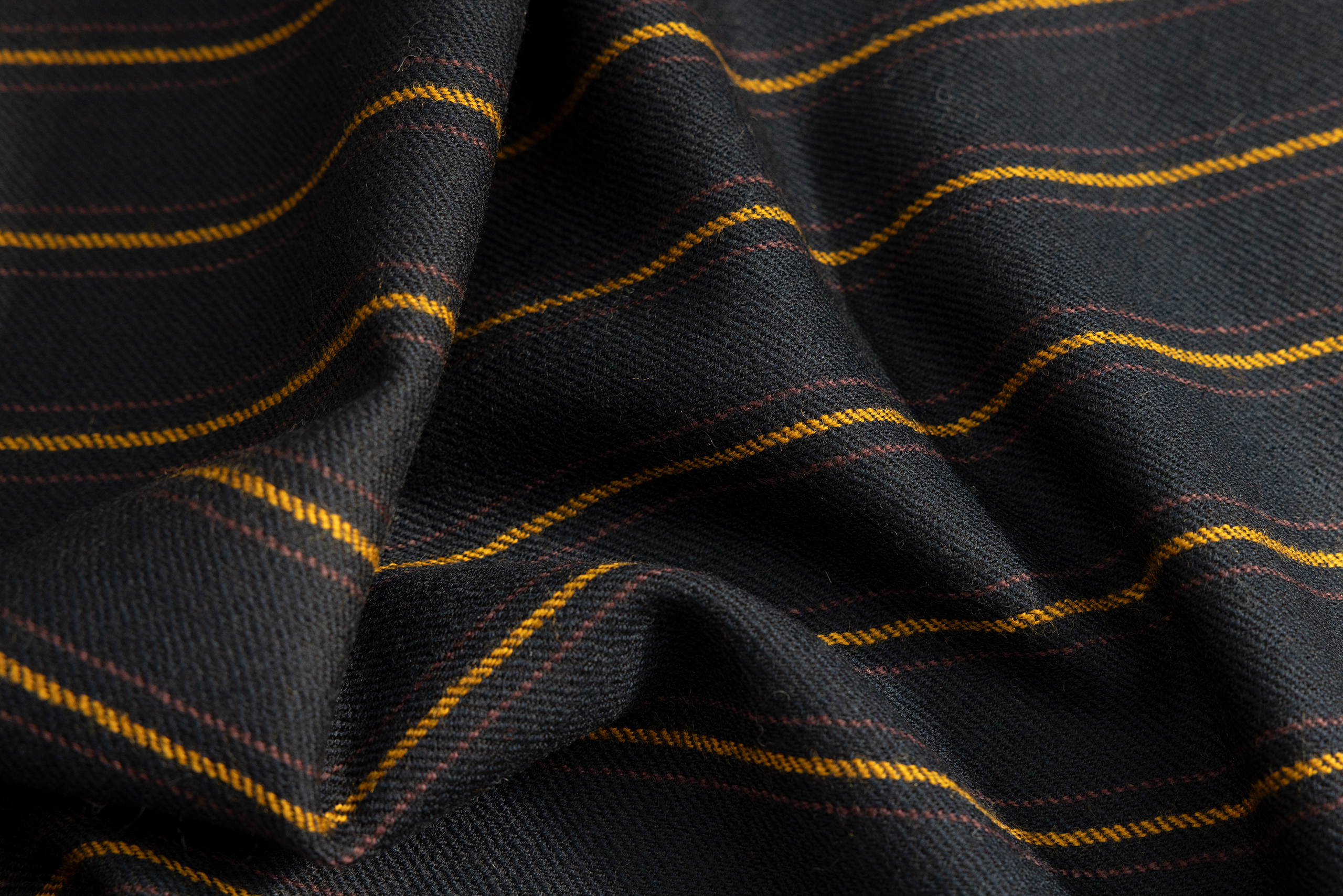
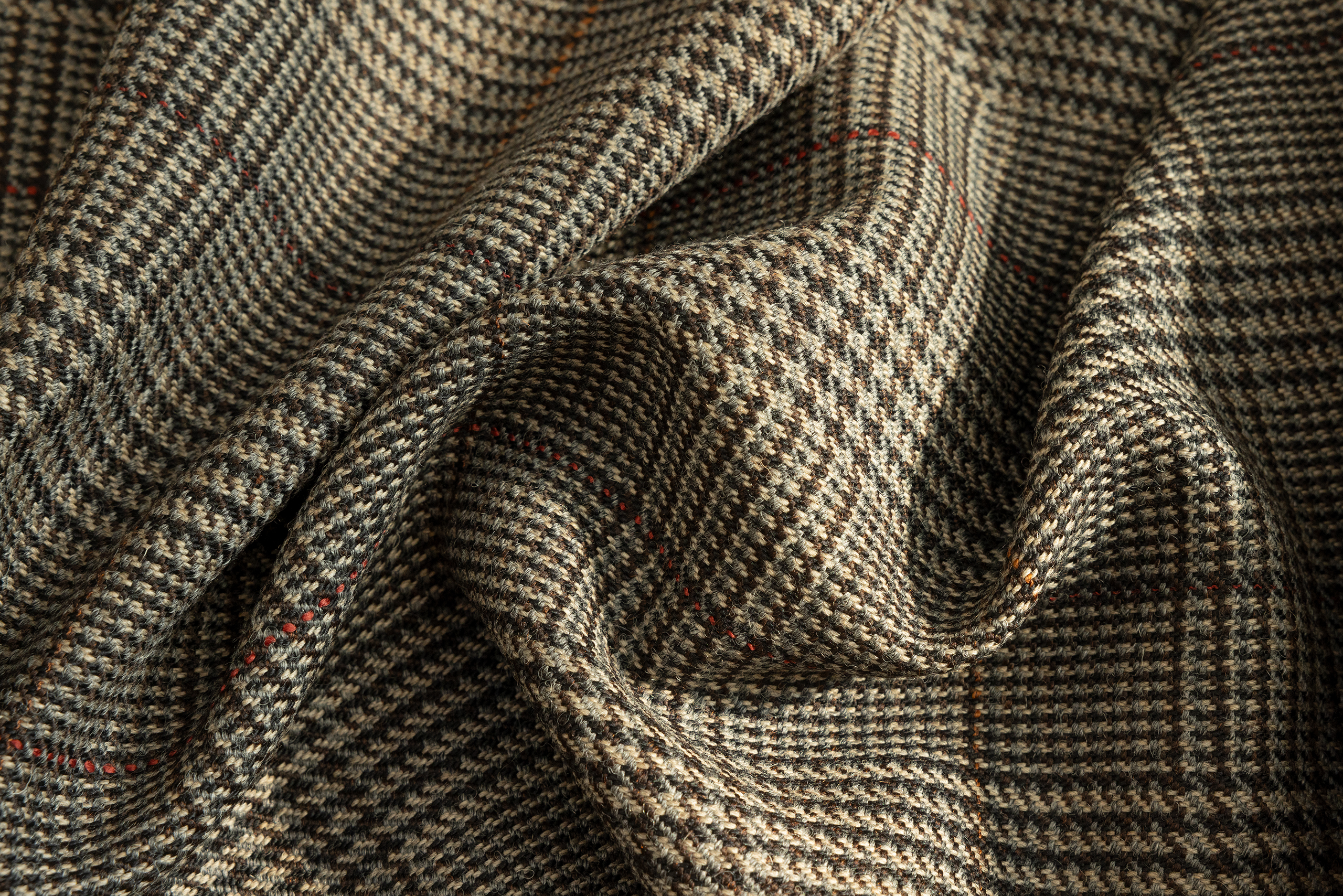
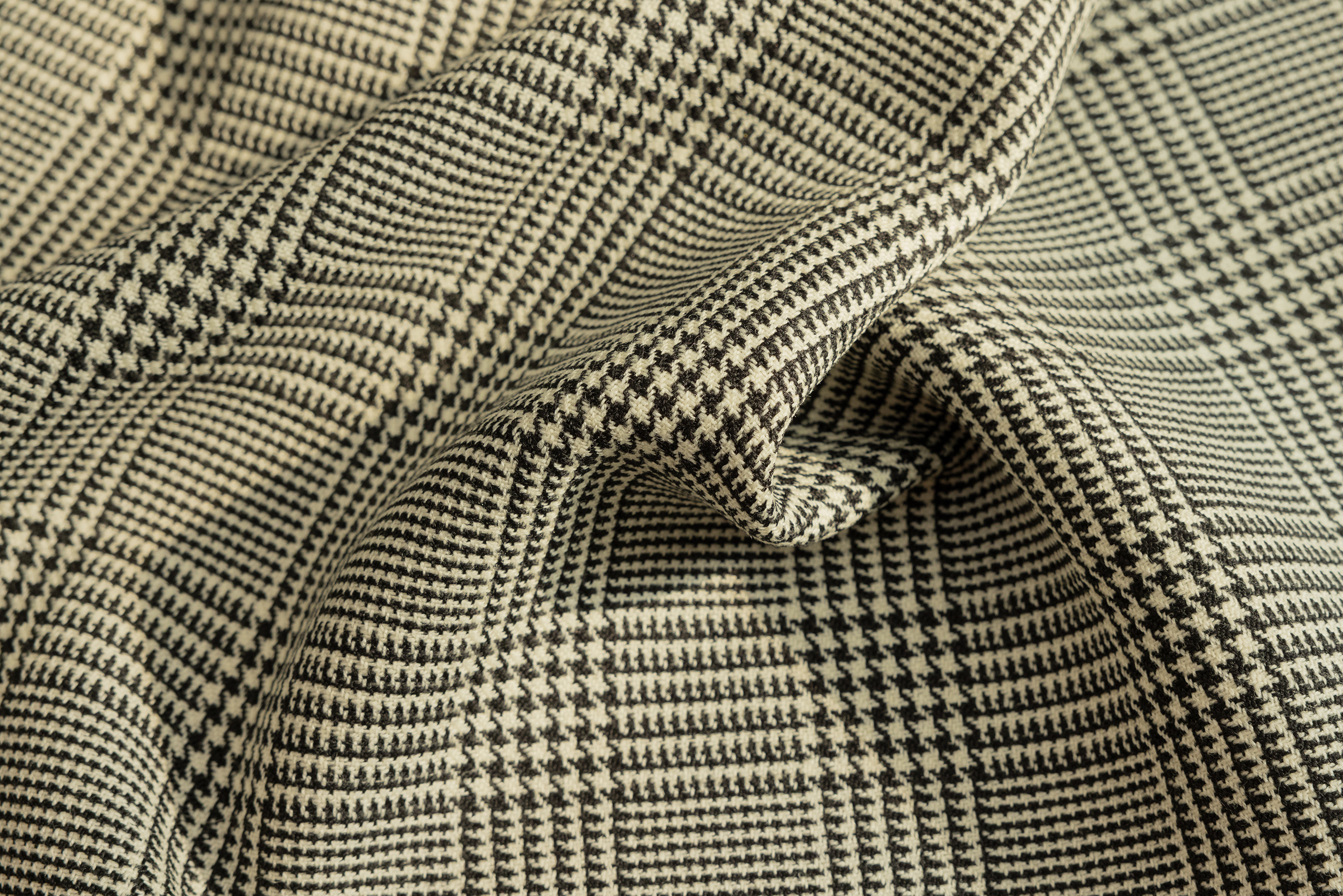
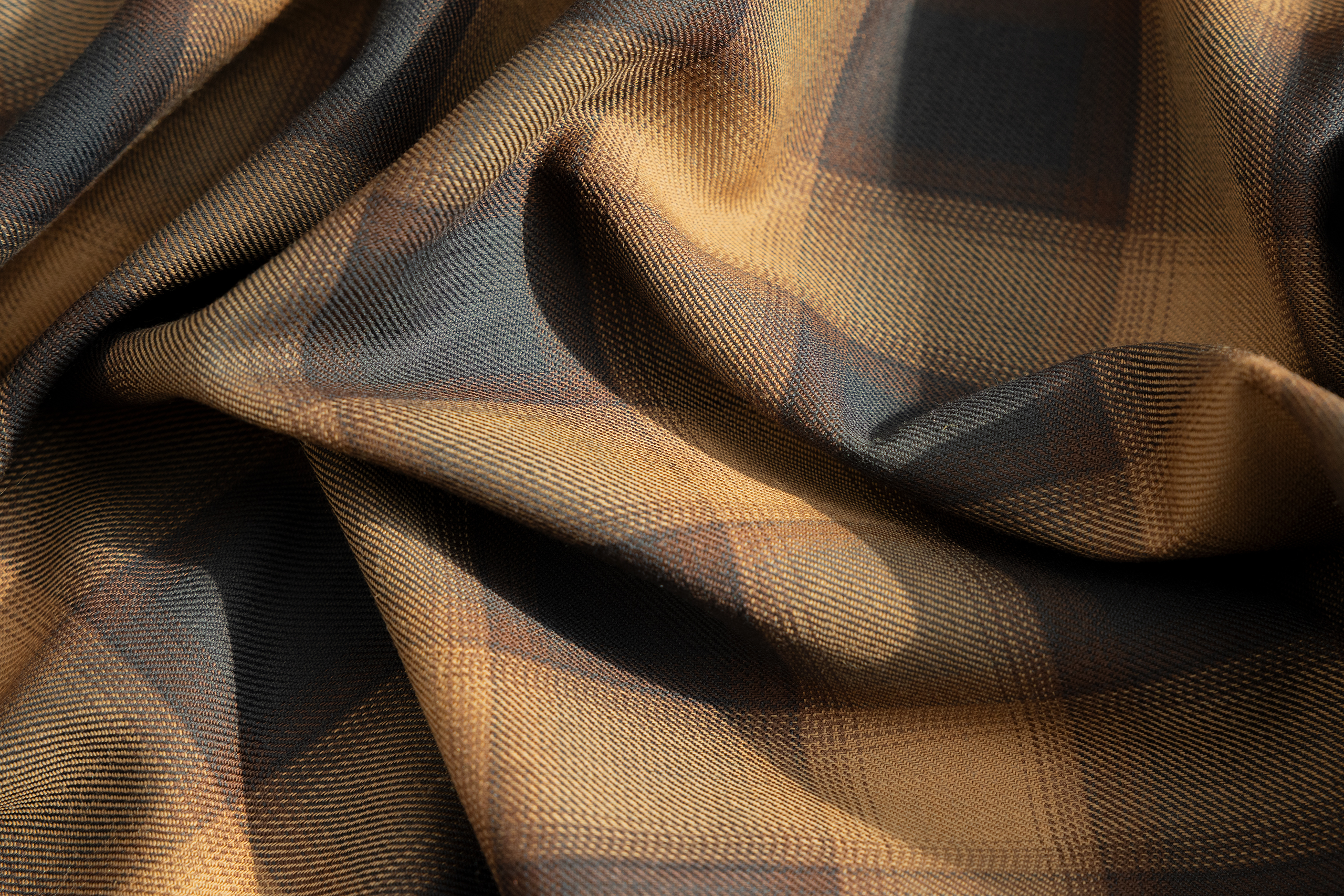
Patterns emerge from the balance between colour, yarn and textile construction. Houndstooth creates a fine, defined rhythm, while checks woven with slub yarns introduce more irregular variations. Tartans and regimental stripes bring contrasts of scale, blocks of colour and accent lines to the surface, alternating compact constructions with more intricate weaves. Each pattern acquires its character through the arrangement of colours, the proportions of the design and its relationship with the weave structure. Pattern thus becomes an integral part of the fabric itself, maintaining a precise balance between aesthetic expression and the quality of the material.
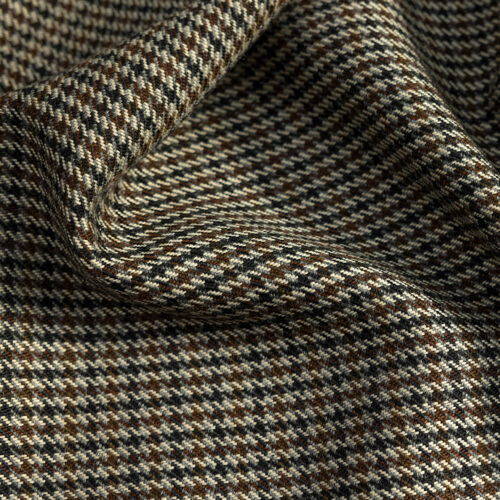
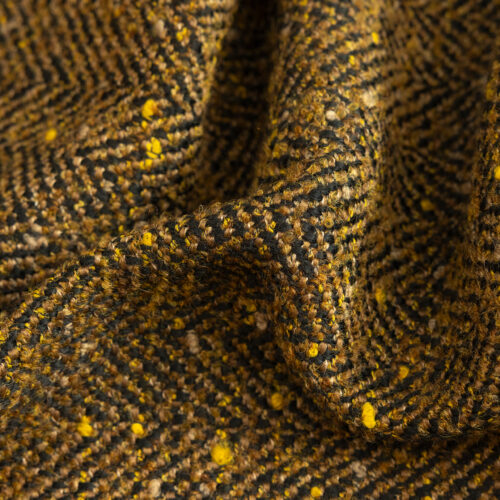
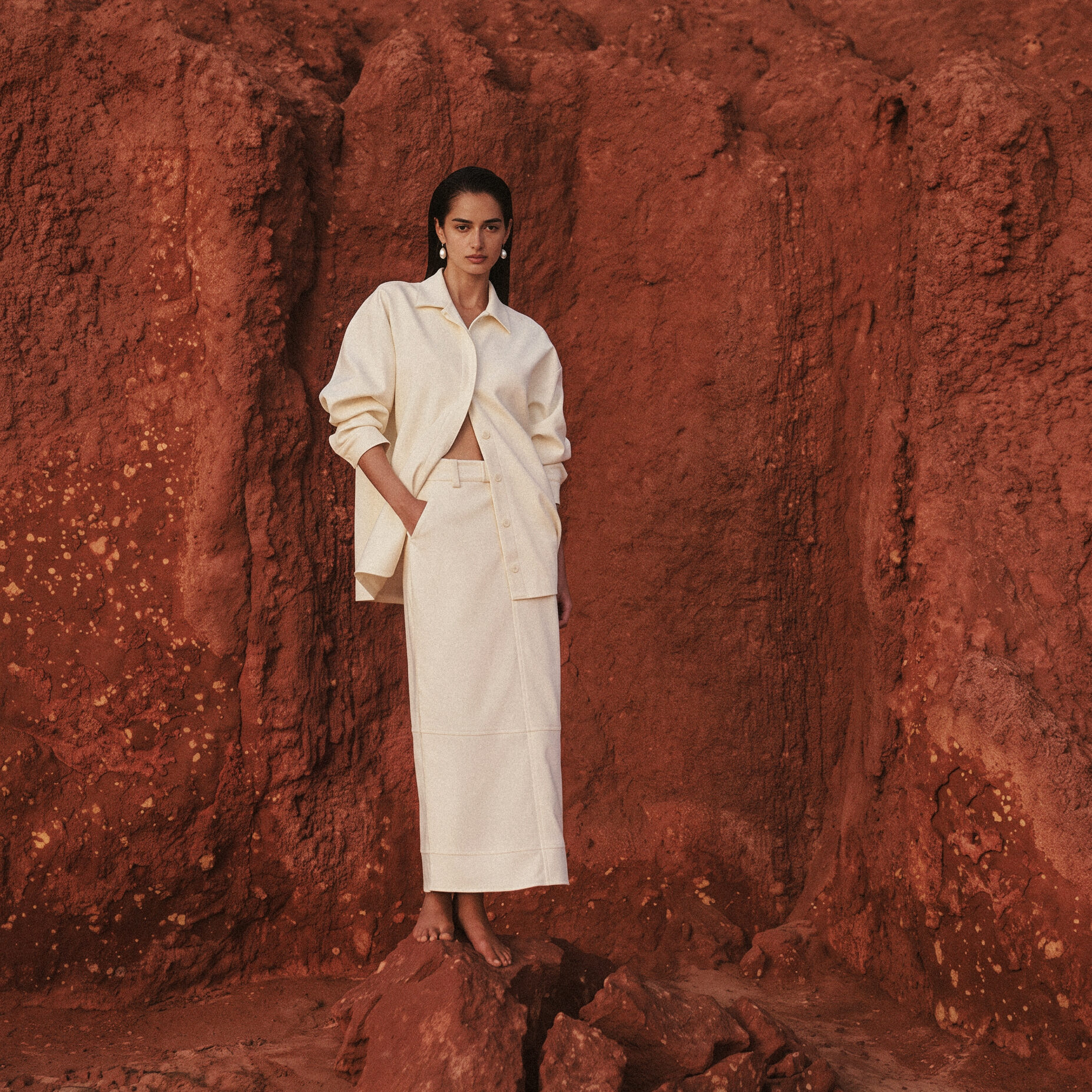
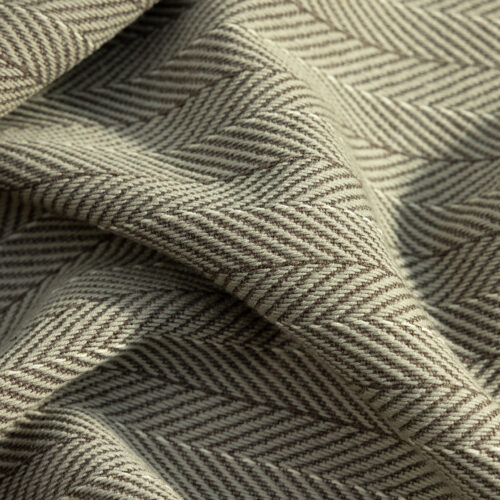
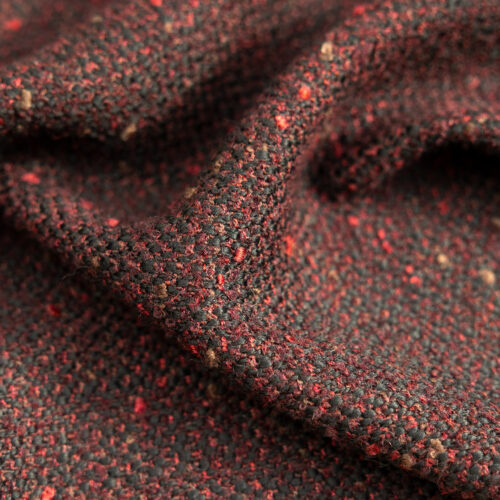
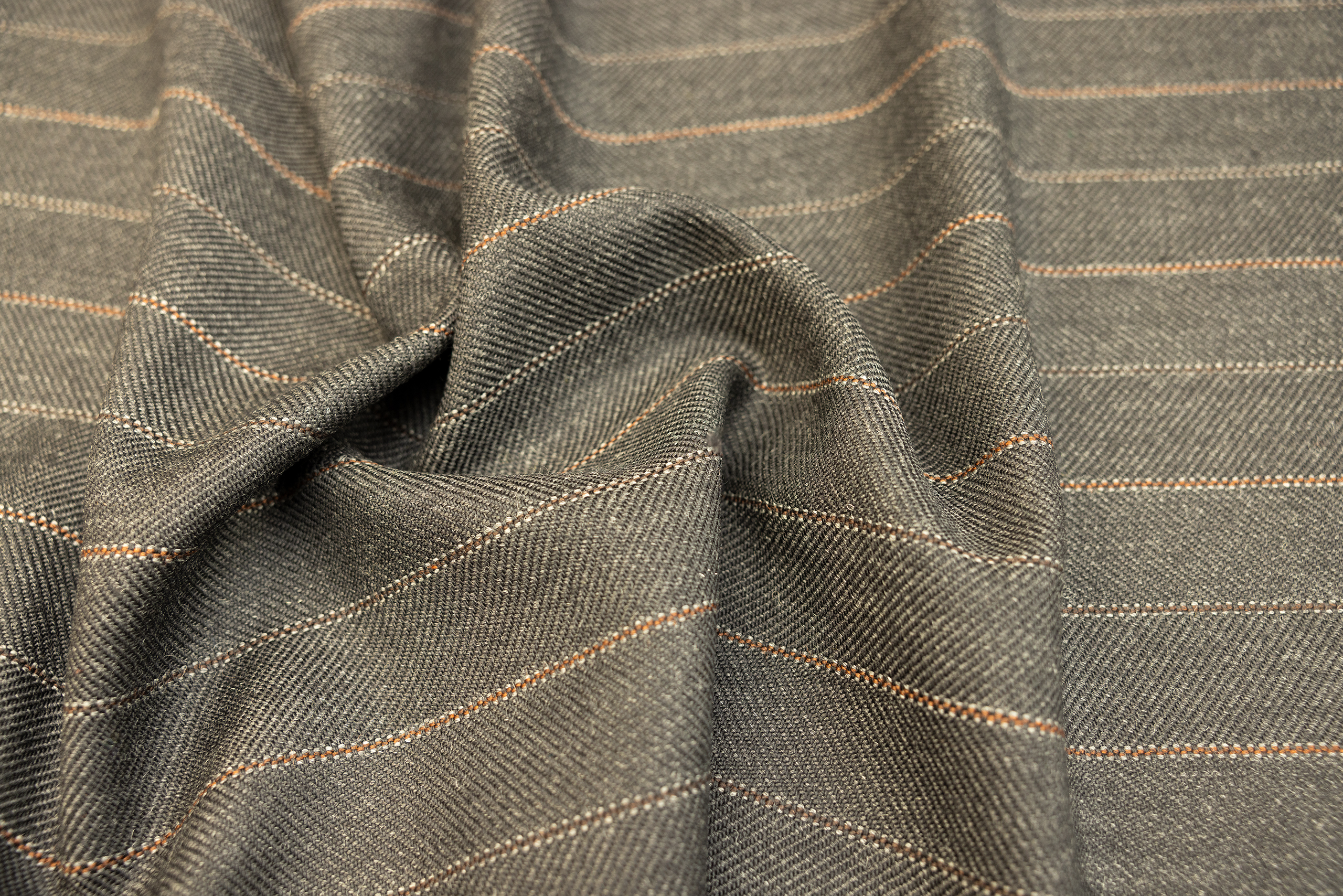
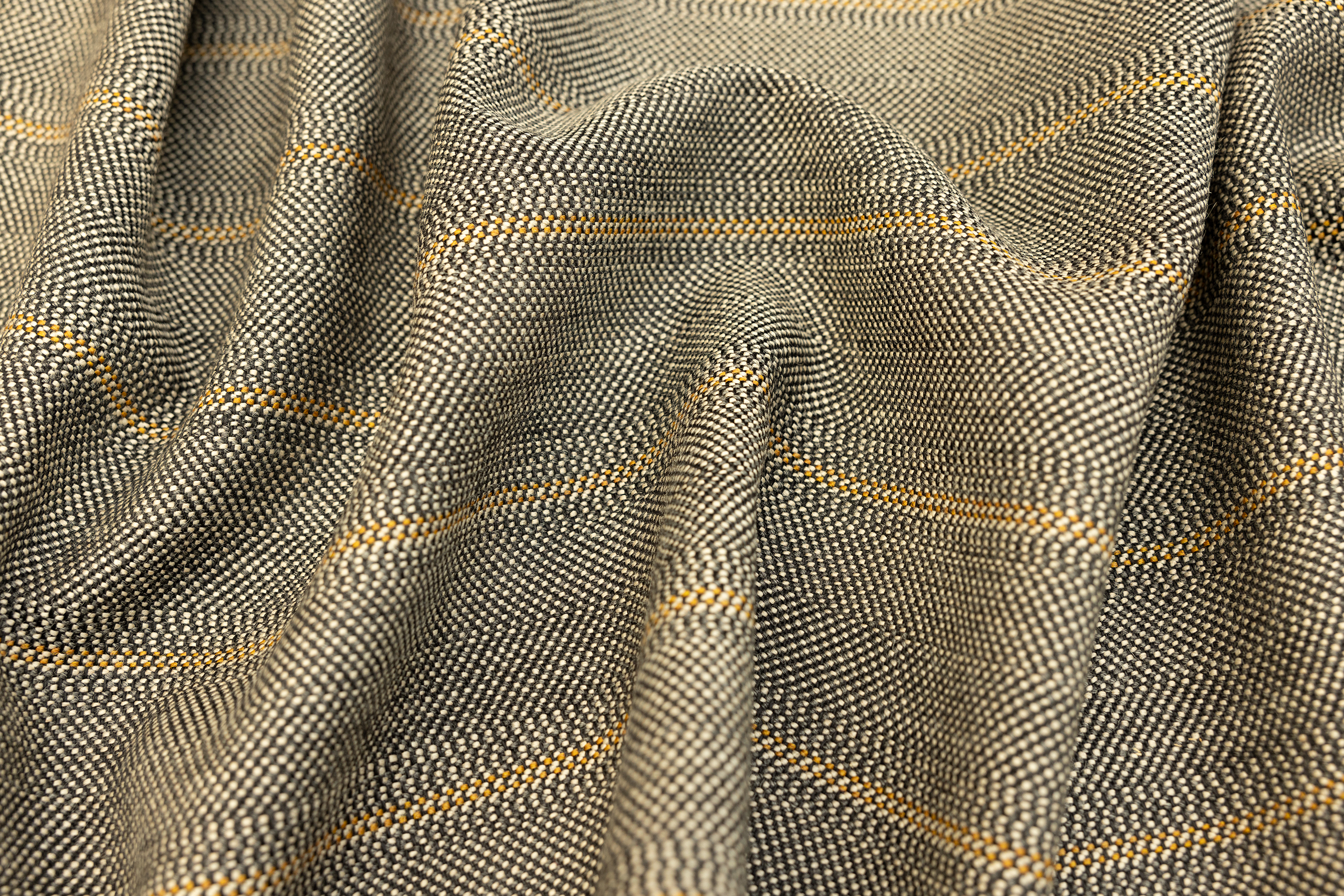
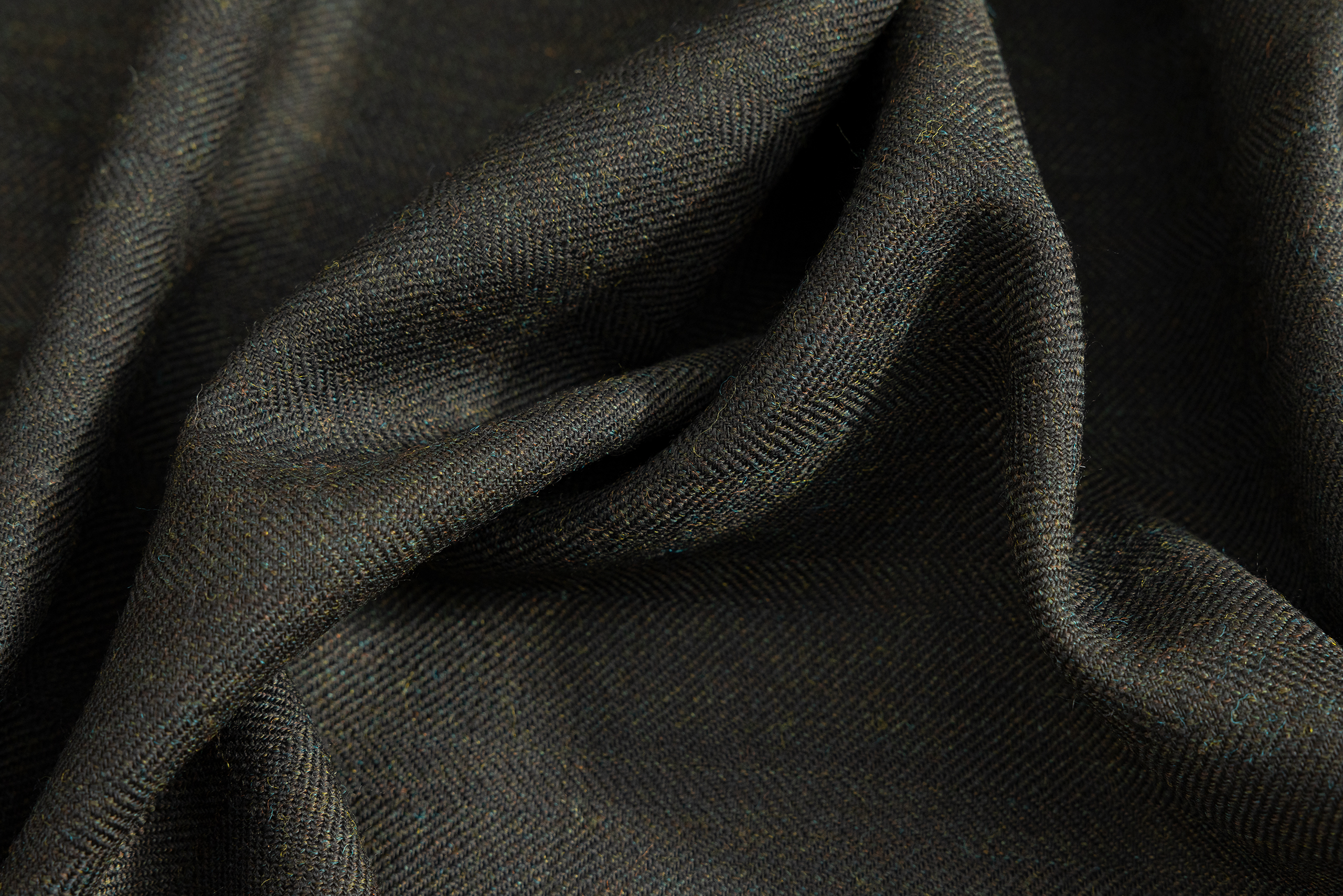
Weight and construction determine how a fabric behaves and the possibilities it offers when made into a garment. Wool and cotton come together in a lightweight construction with a natural hand, suited to shirts and overshirts. A predominantly virgin wool fabric, defined by fine stripes, offers a more fluid, refined surface, while a blend of cotton, linen and wool creates a more substantial slub texture, designed for jackets with a distinctive tactile character. From lightweight constructions to more structured surfaces, each composition expresses a different balance between substance, drape and intended use.
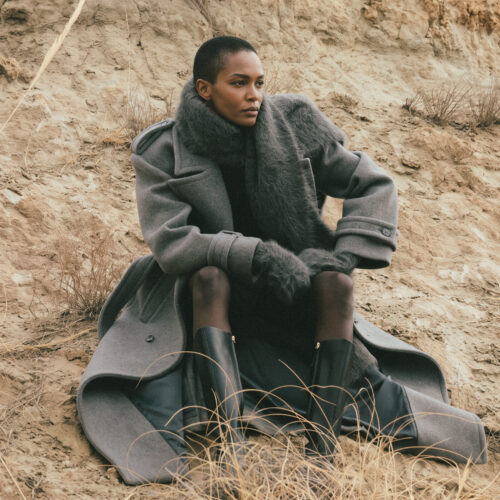
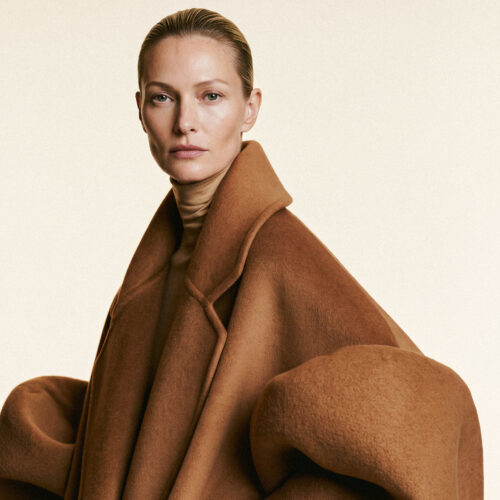
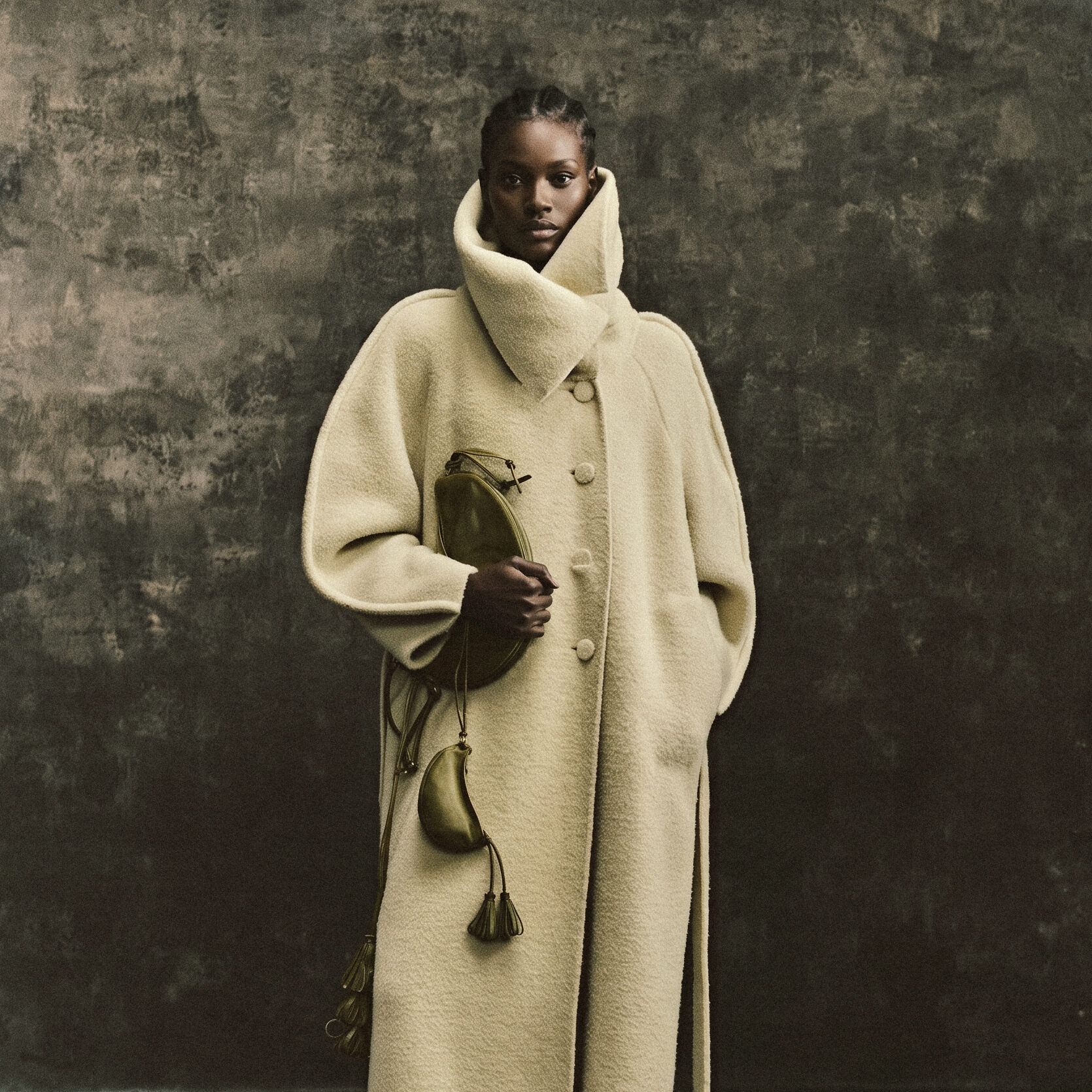
Naturalness is a design principle, not an aesthetic effect. Selecting a fibre means understanding its characteristics and identifying the most suitable techniques to enhance them. Yarn count, twist, weave, weight and finishing all contribute to defining the fabric’s final character, respecting its inherent qualities without compromising their individuality. In Casentino 1848, technical precision allows the richness of natural surfaces to emerge: irregularities, chromatic depth and tactile qualities become part of the collection’s language. Casentino 1848 thus represents the most natural expression of Ricciarini’s textile research: an evolving textile heritage in which origins, expertise and contemporary sensibility remain closely connected.
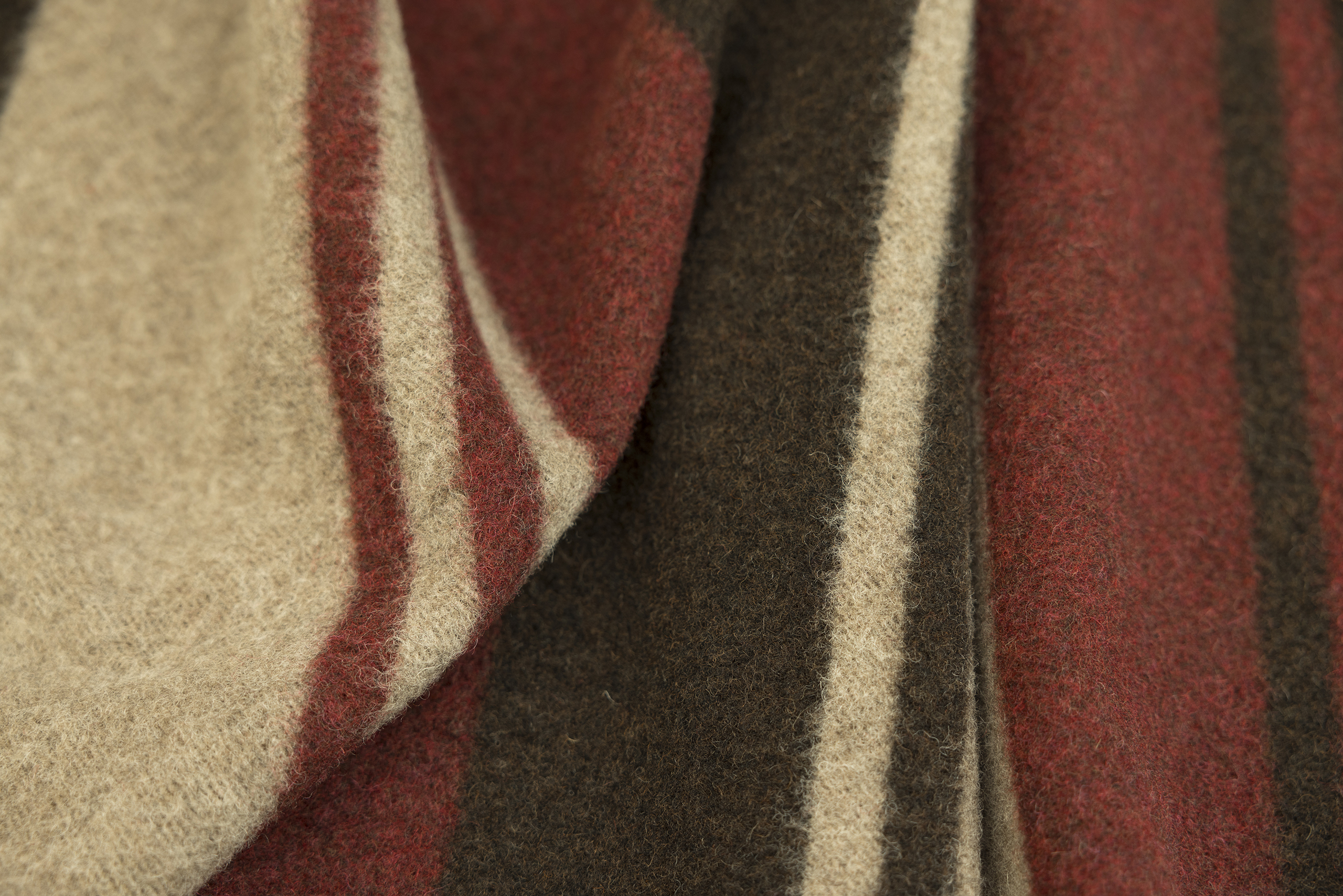
A fabric developed using 100% natural, undyed yarns and a boiled-wool finish. By eliminating the dyeing process, we reduce environmental impact, creating hypoallergenic, more sustainable fabrics. The colour nuances are achieved by blending the different natural shades of sheep’s wool. A brushed finish gives the fabric a more rustic appearance and a distinctive soft, raw hand.

An iconic fabric made from pure wool, offering exceptional resistance to wear and weather conditions. Its distinctive curled surface creates a functional double layer that provides protection against rain. This characteristic texture is achieved through a special finishing process known as ratinatura, which gives the fabric a compact hand. The fabric’s properties ensure excellent thermal insulation while maintaining a high level of breathability.

